

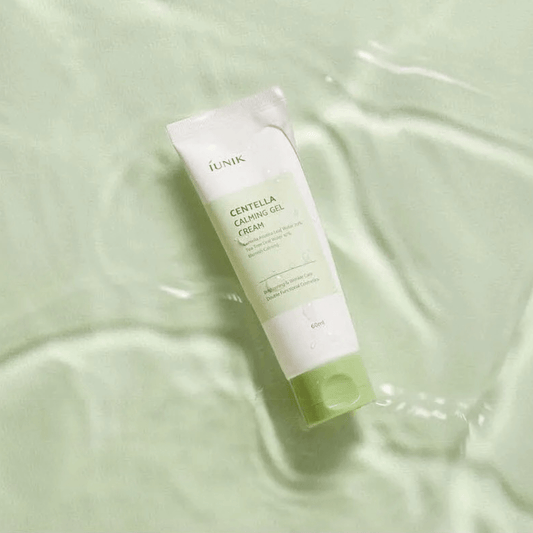


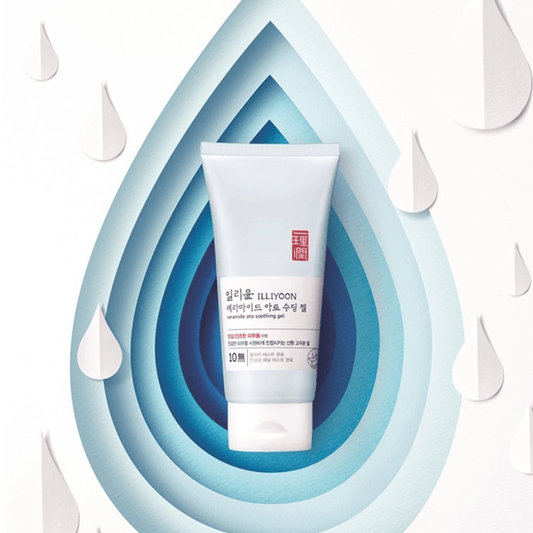


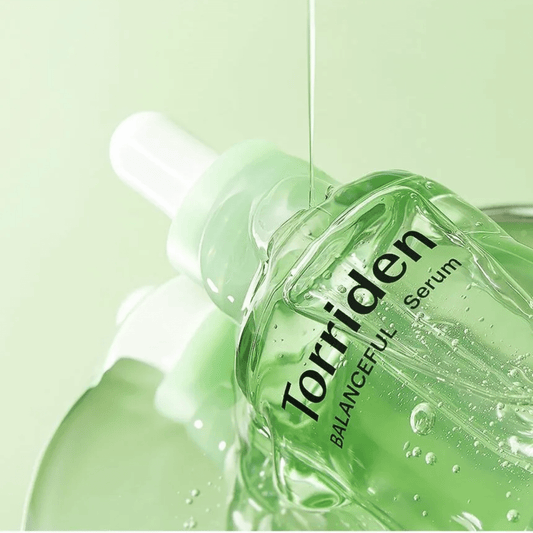

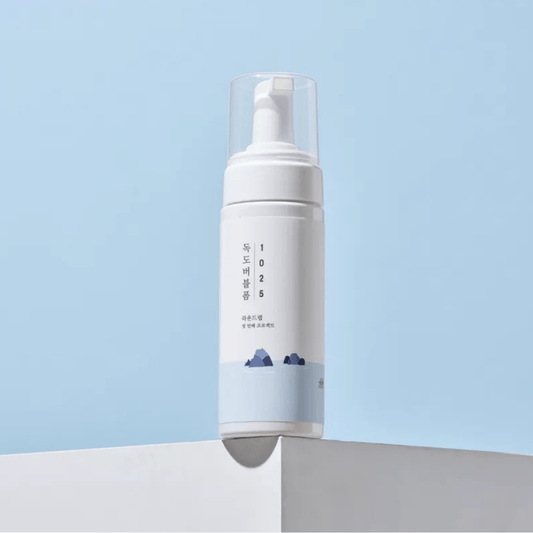

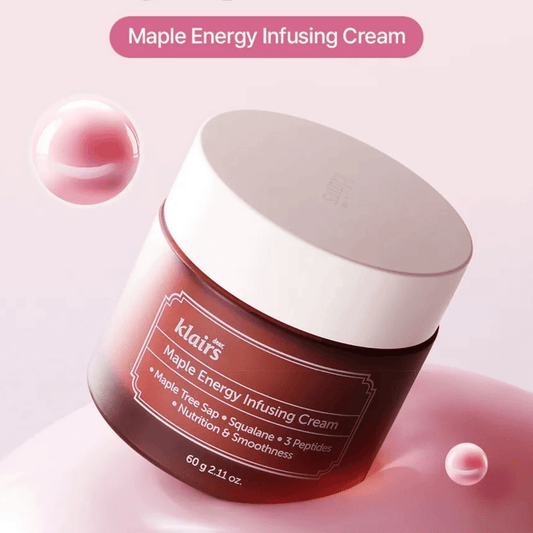

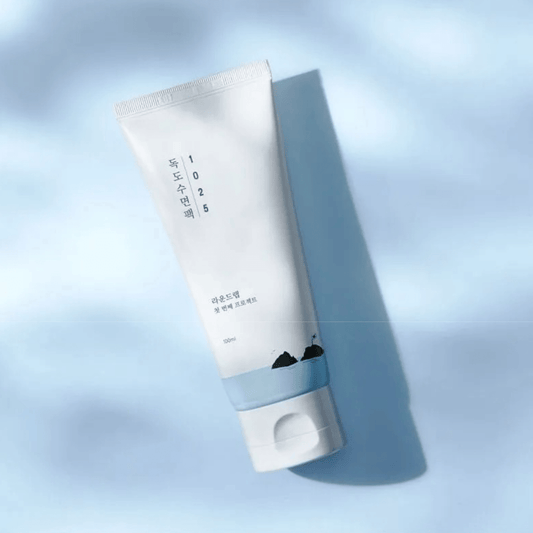
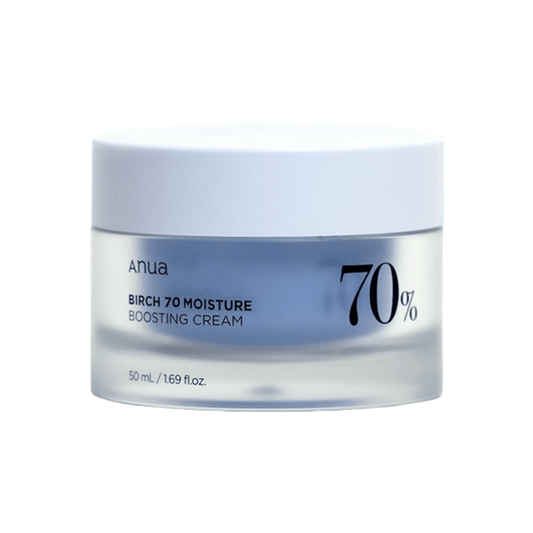
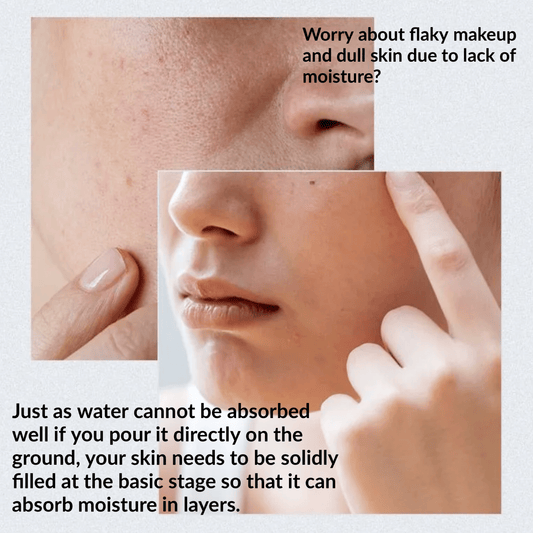
K-Beauty for Sensitive Skin with Glycyrrhizate centres on one of the most effective calming compounds available in skincare. Dipotassium glycyrrhizate, derived from licorice root, is a potent anti-inflammatory used widely in Korean formulations for sensitive skin. It calms redness, soothes irritation, and supports the barrier with virtually no risk of adverse reactions.
How Glycyrrhizate Calms Sensitive Skin
Dipotassium glycyrrhizate works by inhibiting the inflammatory enzymes and mediators that cause redness, swelling, and discomfort on sensitive skin. It interrupts the cascade at an early stage, preventing the full inflammatory response from developing. This makes it effective both as a preventive ingredient (reducing the intensity of reactions to triggers) and as an active treatment ingredient (calming existing redness and irritation). The calming effect is noticeable relatively quickly, often within the first few applications, and builds cumulatively with consistent daily use.
- Inhibits inflammatory enzymes at an early stage
- Prevents the full inflammatory response from developing
- Works preventively and as an active calming treatment
- Calming effect noticeable quickly and builds with daily use
Is Glycyrrhizate Safe for Very Reactive Skin
Yes. Dipotassium glycyrrhizate is one of the safest anti-inflammatory ingredients available. It is used in products for babies, post-surgical care, and the most reactive skin conditions. It does not sting, does not cause photosensitivity, and has no adjustment period. There is no known irritation threshold at typical skincare concentrations. It can be used twice daily, morning and evening, from the first application. Glycyrrhizate is so gentle that it is often included in products specifically formulated for people who react to everything else. It is a foundation-level calming ingredient for extremely sensitive skin.
- One of the safest anti-inflammatory ingredients available
- Used in baby products and post-surgical care
- No stinging, photosensitivity, or adjustment period
- Foundation-level calming for extremely sensitive skin
Can Glycyrrhizate Help with Redness on Sensitive Skin
Yes. Glycyrrhizate reduces redness through direct inhibition of the inflammatory mediators that cause blood vessels to dilate. With consistent daily use, it reduces both the frequency and intensity of redness episodes. It is particularly effective for post-inflammatory redness left behind after blemishes or irritation. Glycyrrhizate also has mild brightening properties through its parent compound licorice root, which helps fade the residual discolouration that redness can leave. For thorough redness management, pair glycyrrhizate with centella and niacinamide.
- Directly inhibits inflammatory mediators causing vessel dilation
- Reduces frequency and intensity of redness episodes
- Helps fade post-inflammatory residual discolouration
- Pair with centella and niacinamide for thorough management
Korean Products Containing Glycyrrhizate for Soothing
Dipotassium glycyrrhizate appears in a wide range of Korean skincare products: toners, essences, serums, creams, sunscreens, and masks. It is often listed as a supporting ingredient alongside centella, panthenol, or ceramides in formulations targeting sensitive skin. Check the ingredient list for "dipotassium glycyrrhizate" or "licorice root extract." The best products for sensitive skin combine glycyrrhizate with other calming ingredients in fragrance-free, alcohol-free bases. Korean brands with a sensitive skin focus include glycyrrhizate in multiple products across their ranges.
- Found in toners, essences, serums, creams, SPF, and masks
- Often a supporting ingredient alongside centella or panthenol
- Listed as dipotassium glycyrrhizate or licorice root extract
- Best in fragrance-free, alcohol-free formulations
Browse the collection above to find Korean glycyrrhizate products that calm and protect sensitive skin.