





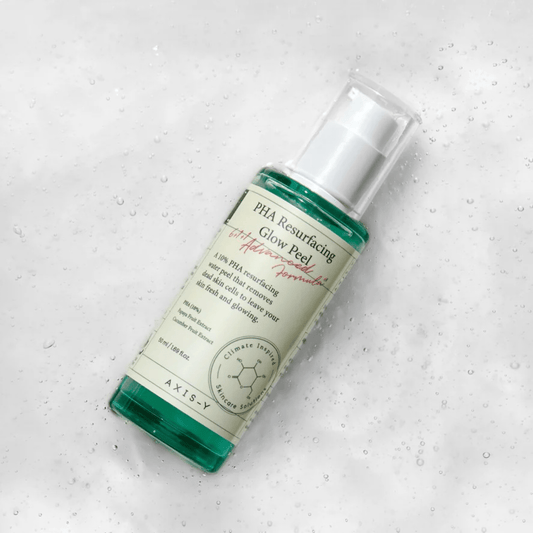

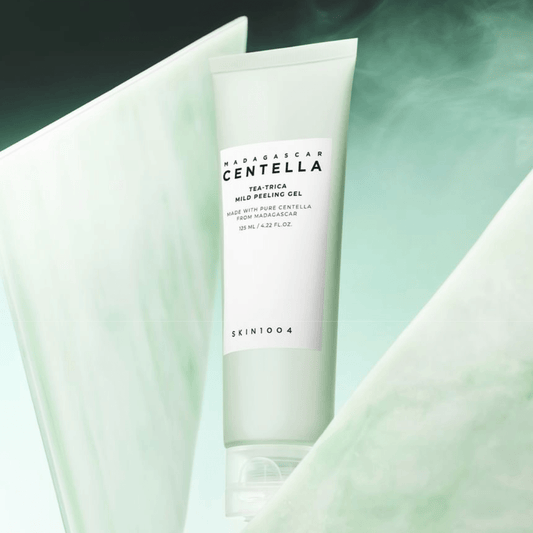

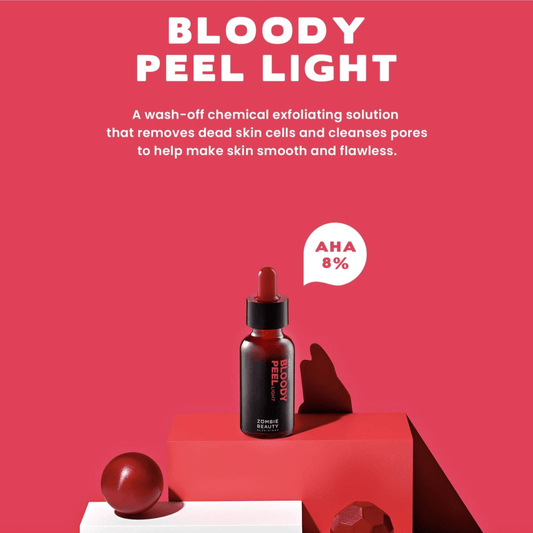


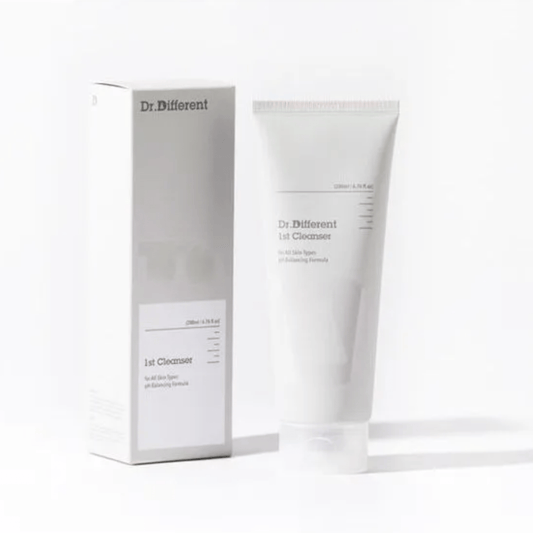



K-Beauty for Sensitive Skin with Gluconolactone centres on the gentlest exfoliating acid available in skincare. Gluconolactone is a polyhydroxy acid (PHA) that smooths skin texture, brightens, and hydrates simultaneously. Its large molecular size means it penetrates slowly and gently, making it the ideal exfoliant for sensitive skin that cannot tolerate AHAs or BHAs.
Is Gluconolactone the Gentlest Exfoliating Acid
Yes. Among all the hydroxy acids used in skincare, gluconolactone has the lowest irritation potential. Its molecules are significantly larger than those of glycolic acid (AHA) or salicylic acid (BHA), which means they penetrate the skin more slowly and cause less disruption. Gluconolactone also functions as a humectant, drawing moisture to the skin as it exfoliates. This moisturising action counteracts the drying effect that most exfoliants have. For sensitive skin that has tried and failed with other acids, gluconolactone is often the one that works without causing redness, stinging, or peeling.
- Lowest irritation potential among hydroxy acids
- Large molecules penetrate slowly for gentler action
- Functions as a humectant, moisturising while exfoliating
- Often tolerated by skin that reacts to other acids
How Gluconolactone Exfoliates Without Irritating
Gluconolactone loosens the bonds between dead cells on the skin surface, allowing them to shed naturally without the aggressive stripping that smaller acid molecules cause. Because its large molecules sit on the surface rather than diving deep, the exfoliation happens only where it is needed: the outermost dead cell layer. The living cells underneath are not affected. This surface-only action is what makes gluconolactone so well suited to sensitive skin. The skin receives the smoothing and brightening benefits of exfoliation without the deeper disruption that triggers inflammation and barrier damage.
- Loosens bonds between dead surface cells
- Surface-only action does not affect living cells underneath
- Smoothing and brightening without deeper disruption
- No inflammation or barrier damage from the process
Can Sensitive Skin Use Gluconolactone Daily
Some people with mildly sensitive skin can use gluconolactone daily without issue, particularly at concentrations below 5%. For moderately to very sensitive skin, two to three times a week is a safer starting frequency. Start with twice a week in the evening and assess the skin's response over three weeks. If no redness, stinging, or dryness occurs, increase to every other evening. Daily use is possible for some, but there is no rush. The smoothing and brightening effects of gluconolactone are cumulative, and consistent use at a comfortable frequency gives better results than pushing the frequency to a point that causes any irritation.
- Below 5% concentration may suit daily use for mild sensitivity
- Moderate to very sensitive: start twice a week in the evening
- Increase to every other evening after three weeks of tolerance
- Consistent comfortable frequency beats aggressive daily use
Gluconolactone vs Glycolic Acid for Sensitive Skin
Glycolic acid has the smallest molecules of any AHA, which means it penetrates deeply and quickly. This gives fast results but causes significant irritation on sensitive skin: stinging, redness, peeling, and barrier damage. Gluconolactone penetrates slowly due to its large molecules, causing none of these side effects. Glycolic acid at 5-10% on sensitive skin often causes more harm than good. Gluconolactone at the same concentration smooths texture and brightens without any negative reaction. For sensitive skin, gluconolactone is the clear winner in the exfoliant category.
- Glycolic acid: small molecules, deep fast penetration, high irritation
- Gluconolactone: large molecules, slow gentle action, no irritation
- Same concentration produces smoothing with no negative reaction
- Gluconolactone is the clear winner for sensitive skin
Explore the collection above to find Korean gluconolactone products that smooth sensitive skin gently.