



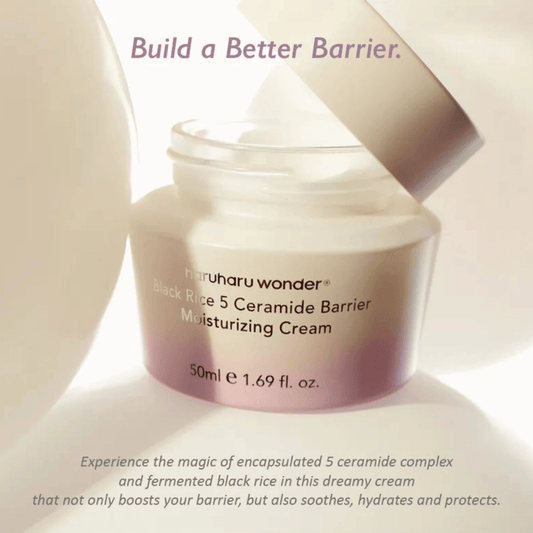

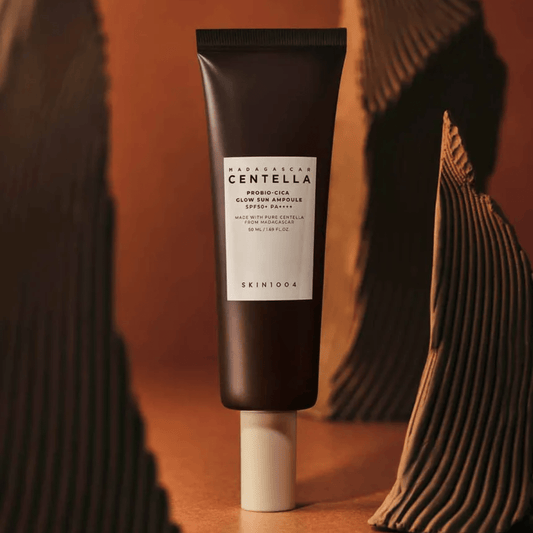

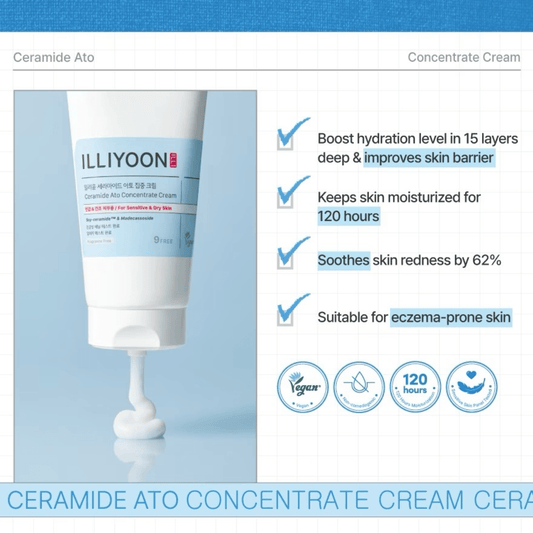
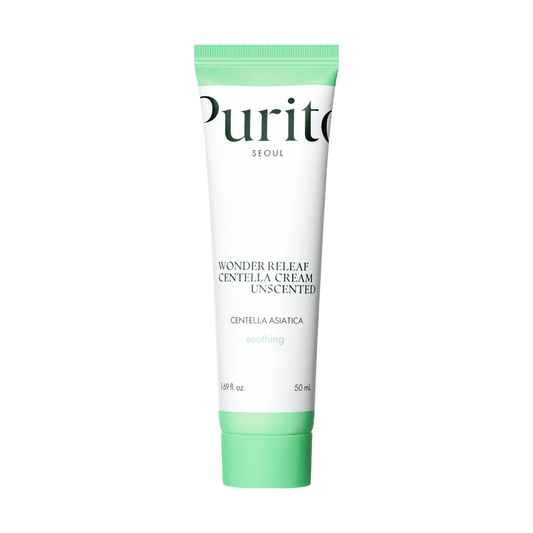





Phytosphingosine is a sphingolipid -- a type of fatty molecule naturally present in the outer layers of human skin. It functions as a biosynthetic precursor to ceramides, meaning the skin uses it to produce the ceramides that form its barrier structure. For dry skin, which typically has a ceramide deficit, phytosphingosine offers a different approach from simply applying topical ceramides: it prompts the skin to increase its own ceramide production rather than only supplementing from outside.
How Phytosphingosine Works
Phytosphingosine integrates into the skin's lipid matrix because it is a skin-identical ingredient -- the skin recognises it as a natural component and uses it in barrier construction. It stimulates ceramide synthesis in the skin cells, addressing the structural cause of dry skin's moisture loss rather than managing the symptom. It also has direct anti-inflammatory and antimicrobial properties, which help calm the reactive, irritated quality that dry, barrier-compromised skin develops.
- Stimulates the skin's own ceramide production
- Integrates into the lipid matrix as a skin-identical ingredient
- Anti-inflammatory action calms reactive dry skin
- Antimicrobial properties support a balanced skin environment
Phytosphingosine vs Topical Ceramides
Topical ceramides supplement the barrier directly, filling structural gaps with externally delivered lipids. Phytosphingosine prompts the skin to produce more of its own ceramides from within. Both approaches are valuable for dry skin, and Korean skincare increasingly uses them together -- a product containing both phytosphingosine and ceramides addresses the deficit at multiple levels simultaneously. Korean barrier-repair lines like Aestura's AtoBarrier range have built their formulations around phytosphingosine precisely for this reason.
- Ceramides: external supplementation to fill barrier gaps
- Phytosphingosine: internal stimulation for more ceramide production
- Both together address the deficit at multiple levels
- Korean barrier-repair lines combine both approaches
Product Formats for Dry Skin
Phytosphingosine is most effective in leave-on products that stay on the skin long enough to integrate into the lipid barrier. Barrier creams and sleeping masks are the most practical formats. Recovery serums position it in the treatment step where it can work before the moisturiser is applied over it. Korean products combining phytosphingosine with ceramides, cholesterol, and fatty acids provide the full barrier lipid environment that dry skin needs to rebuild its structural integrity.
- Barrier creams: daily leave-on delivery for ongoing ceramide support
- Sleeping masks: overnight integration into the lipid barrier
- Recovery serums: treatment-step delivery before moisturiser
- Best in formulas that also contain ceramides and fatty acids
Who Benefits Most
Dry skin that has been chronically dry, skin recovering from harsh treatment or over-exfoliation, and eczema-prone dry skin all show the clearest response to phytosphingosine. In each case, the ceramide deficit is more significant than in occasional or mild dryness, making the ceramide-stimulating activity of phytosphingosine more impactful. Those with a well-maintained barrier who just want general moisture support will see more subtle differences than those with genuinely compromised skin.
- Chronically dry skin with significant ceramide deficit benefits most
- Post-treatment barrier recovery responds well
- Eczema-prone dry skin benefits from ceramide stimulation
- More subtle in mild or occasional dryness
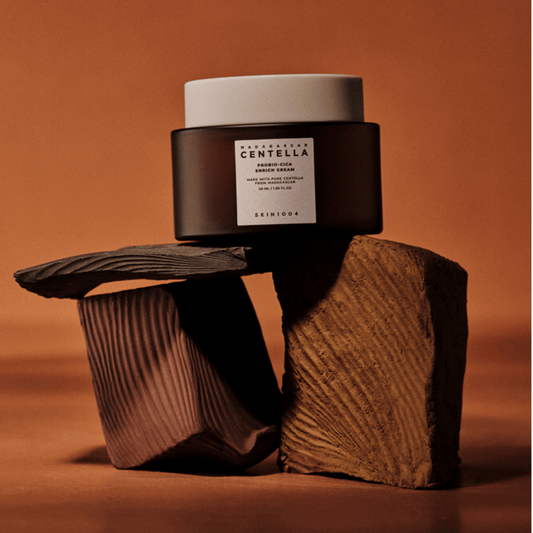
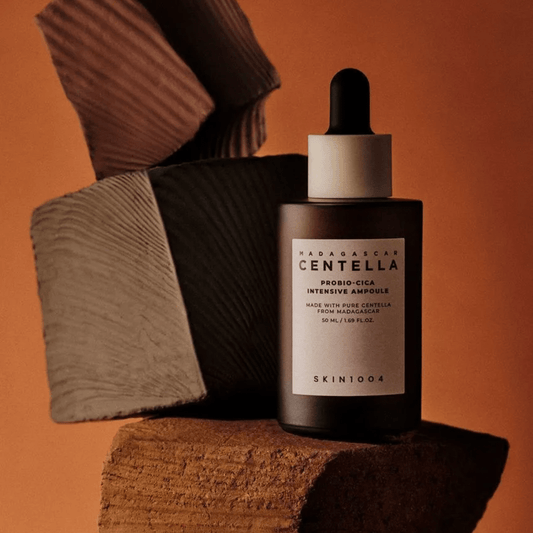
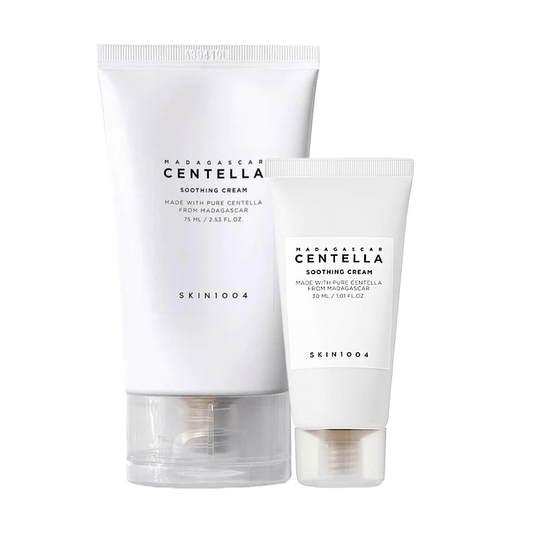
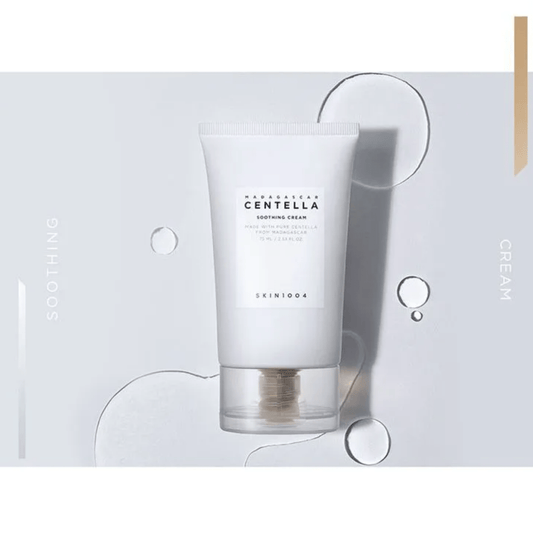
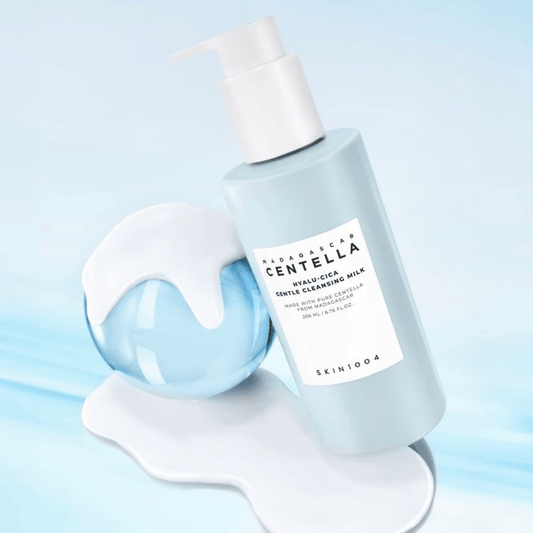
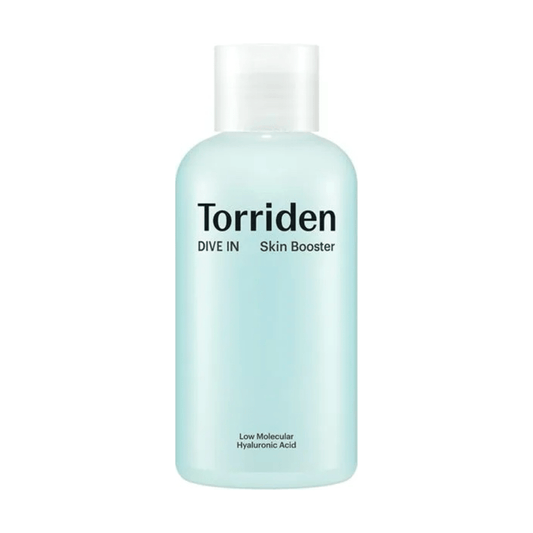
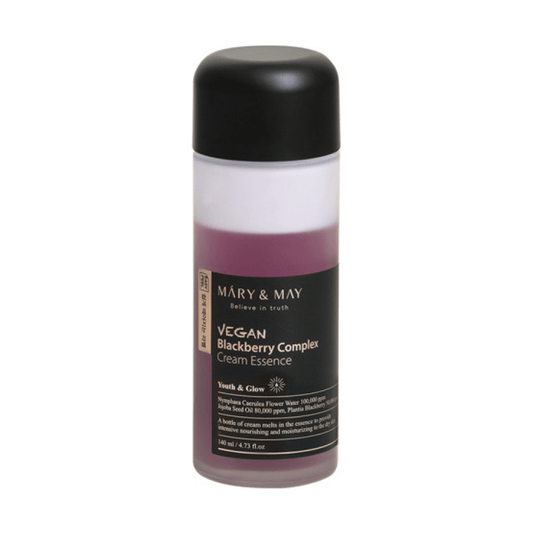
Find Korean phytosphingosine products for dry skin below -- barrier creams, sleeping masks, and recovery serums that stimulate ceramide production from within.