


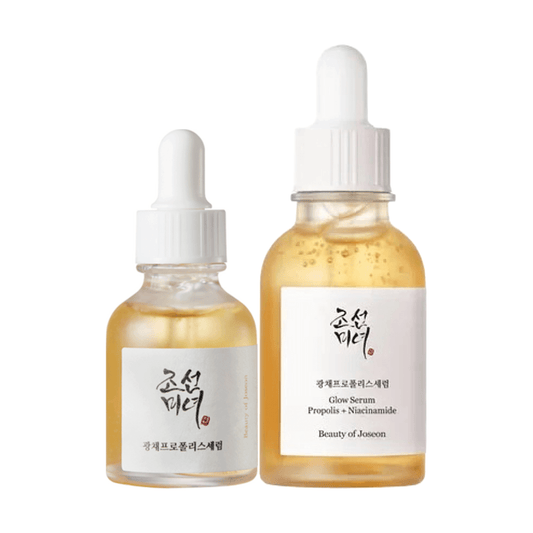
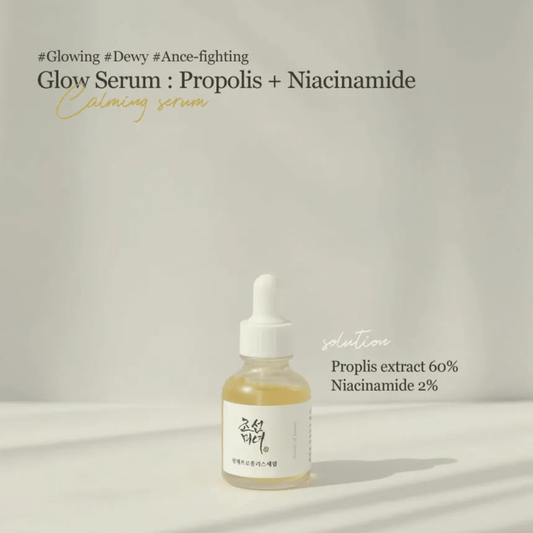

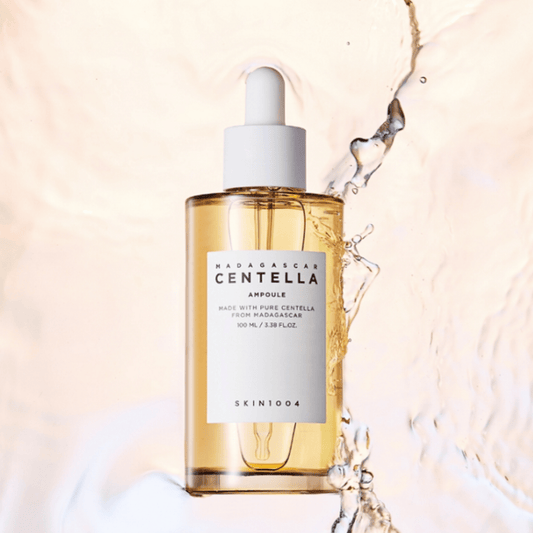

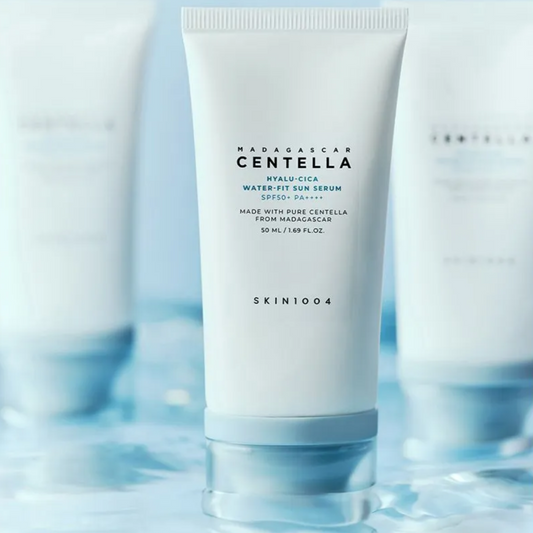




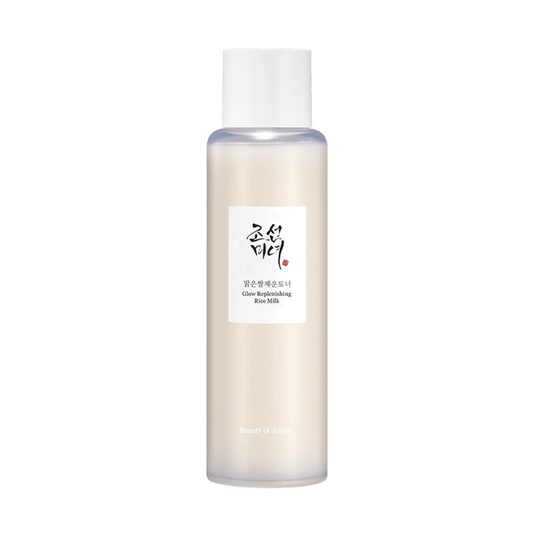
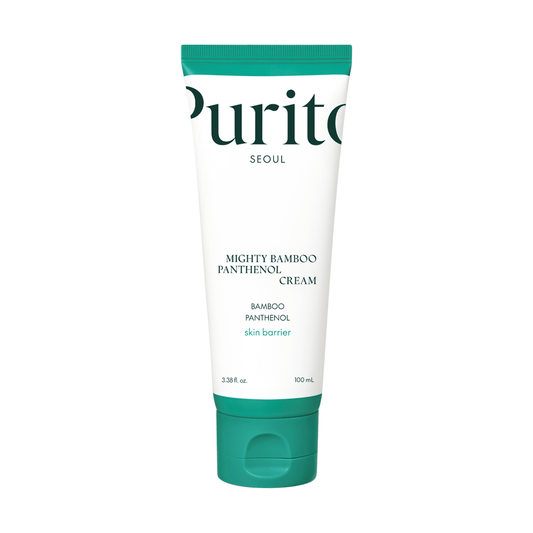

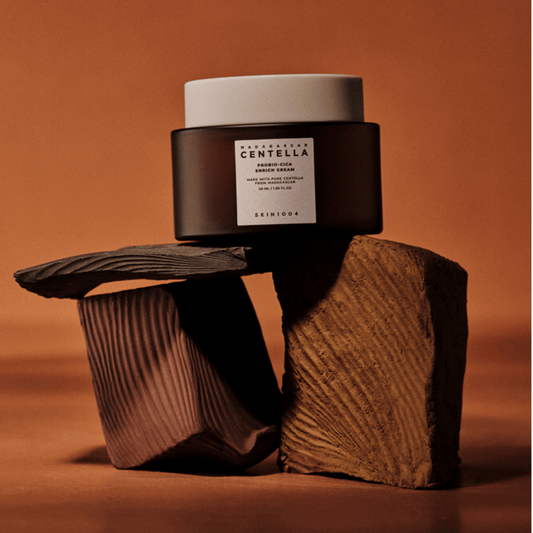

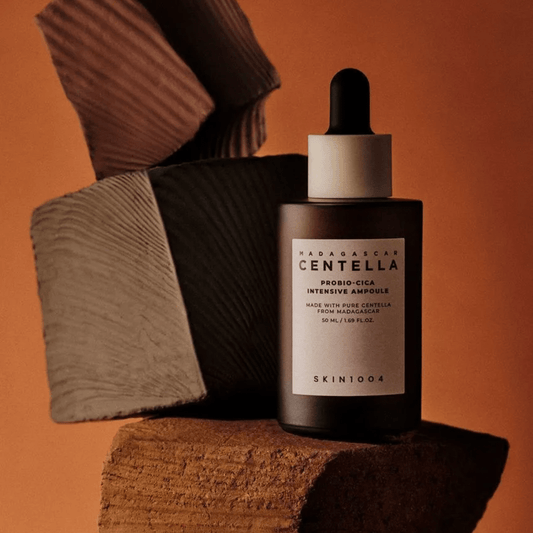
K-Beauty for Dryness with Barrier Support focuses on the underlying cause of most dry skin discomfort. Dryness is not simply a lack of moisture. It is usually a sign that the outer protective layer is not doing its job. Korean skincare has been built on this understanding for decades, making barrier support one of its deepest and most developed categories.
How a Compromised Barrier Makes Dryness Worse
The skin barrier is made of lipids arranged between skin cells. When those lipids deplete, through harsh cleansing, cold weather, or ageing, water escapes through the skin faster than it can be replaced. This is trans-epidermal water loss, and it is the root of persistent dryness. Without the barrier intact, no amount of moisturiser provides lasting comfort because moisture escapes as quickly as it is applied. Barrier-supporting products replenish the lipid layer itself, so moisture has somewhere to stay.
- Lipid depletion lets water escape the skin
- Trans-epidermal water loss drives persistent dryness
- Moisturiser alone cannot fix a depleted barrier
- Replenishing lipids gives moisture a place to stay
Ingredients That Support the Barrier in Korean Skincare
Ceramides are the primary barrier lipid and the ingredient Korean brands have built entire product lines around. They integrate into the lipid matrix and restore the protective seal. Cholesterol and fatty acids alongside ceramides more closely mimic the skin's natural lipid ratio, which Korean formulators often target. Panthenol supports lipid synthesis within the skin cells themselves. These ingredients appear in barrier creams, toners, essences, and sleeping masks, making barrier support possible at every step.
- Ceramides restore the protective lipid seal
- Cholesterol and fatty acids mimic natural skin lipids
- Panthenol supports lipid production in skin cells
- Available across every routine step
Morning and Evening Barrier Routines
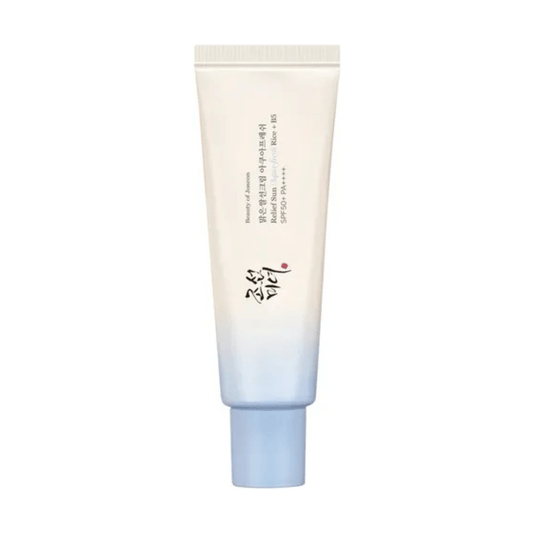
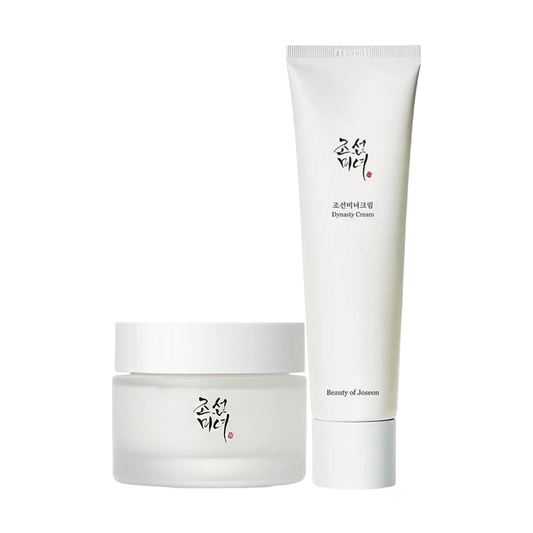
Morning barrier care focuses on protection. A gentle cream cleanser avoids stripping, a ceramide moisturiser replenishes what night products have not fully restored, and SPF protects the barrier from UV stress. Evening care focuses on repair. After double cleansing, a soothing toner rebalances, a ceramide cream provides deep nourishment, and a sleeping mask two or three nights a week delivers intensive overnight support. The cumulative effect of morning protection and evening repair strengthens the barrier over weeks.
- Morning: gentle cleanser, ceramide moisturiser, SPF
- Evening: double cleanse, soothing toner, ceramide cream
- Sleeping mask two to three nights per week
- Cumulative care strengthens the barrier gradually
How Long Barrier Repair Takes
A compromised barrier typically responds within one to two weeks of consistent barrier-supporting care, and the skin feels less tight, products sting less, and redness settles. Full barrier recovery, where the skin feels resilient and reacts normally to mild triggers, usually takes four to six weeks. Korean skincare is particularly well suited to this timeline because it uses gentle, layered formats rather than aggressive single treatments that can interrupt the repair process.
- Initial comfort improvement within one to two weeks
- Full resilience typically takes four to six weeks
- Gentle layering supports repair without interruption
- Consistent routine matters more than intensity
Find barrier-supporting Korean skincare above and give your dry skin the foundational care it needs. Steady, gentle support over a few weeks makes a visible difference.