














Peptides are short chains of amino acids that act as signalling molecules in the skin. Different types send different signals: some tell fibroblasts to produce more collagen, others deliver trace minerals needed for enzymatic repair, and some slow the breakdown of existing proteins. For dry skin, their relevance is twofold -- they support the structural proteins that give skin its plumpness and resilience, and they work without the irritation or barrier disruption that stronger actives can cause.
How Peptides Help Dry Skin
Dry skin that has been dry for a long time often shows more visible signs of structural change -- fine lines, reduced bounce, a flatter appearance -- than well-hydrated skin. Peptides address this through cell signalling rather than hydration: they prompt the skin to produce collagen and elastin more actively, which over time supports firmer, more resilient skin that also holds moisture better. This makes them a useful long-term complement to the hydration-focused steps in a dry skin routine.
- Signal peptides prompt increased collagen production
- Carrier peptides deliver minerals for enzymatic repair
- Enzyme-inhibiting peptides slow existing protein breakdown
- Results are gradual but support long-term skin resilience
Product Formats
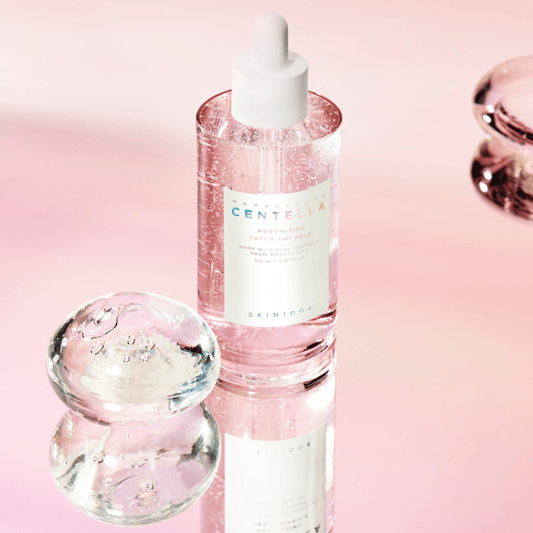
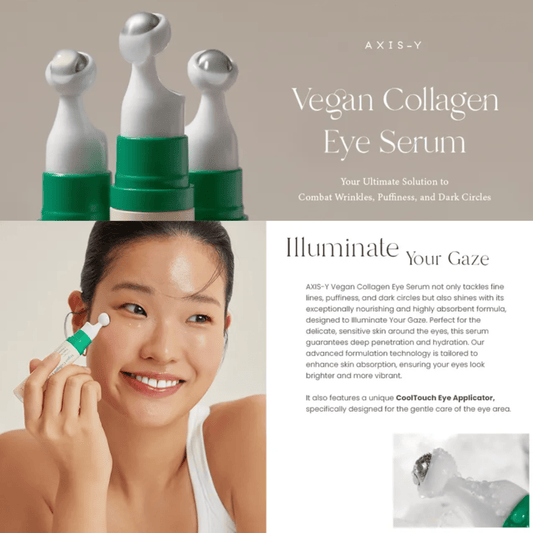
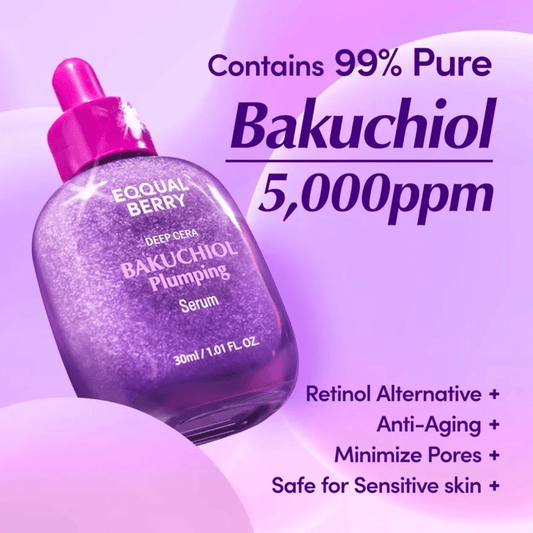
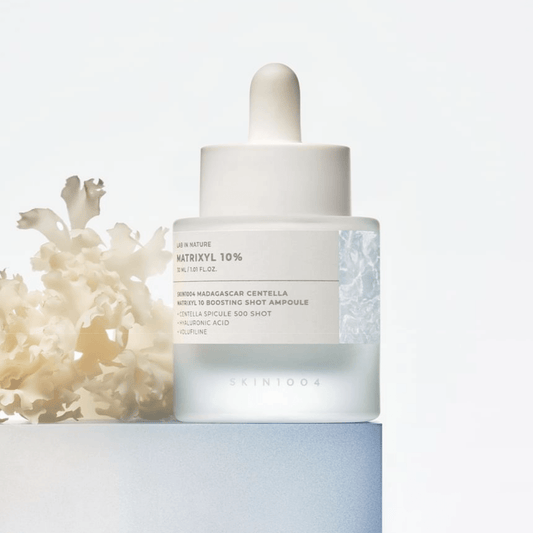
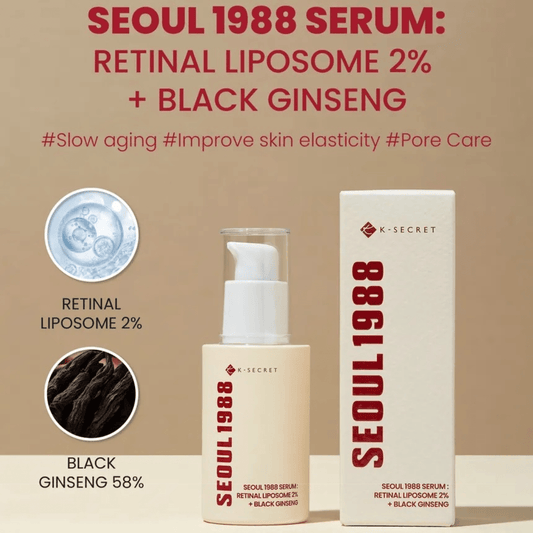
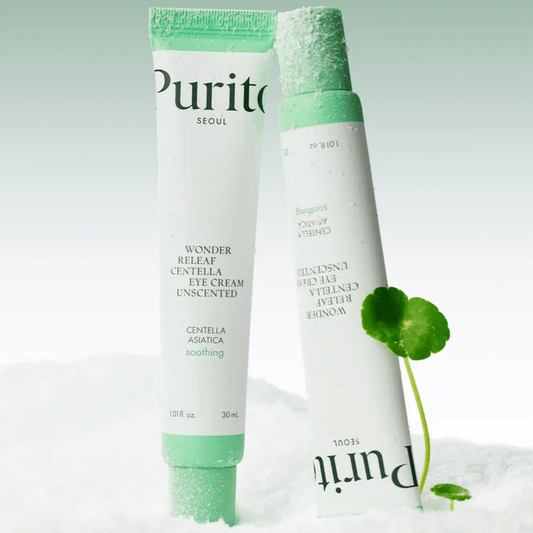
Korean peptide products most commonly come as ampoules and serums -- concentrated formats that sit in the treatment step of the routine. Multi-peptide complexes that combine several types are increasingly common in K-beauty. Eye creams frequently feature peptides for the delicate under-eye area, where dry skin and fine lines often appear first. Sheet masks with peptide-rich essences offer a more intensive weekly treatment option.
- Ampoules -- most concentrated format, used as the main treatment step
- Serums -- everyday delivery in a lighter, layerable base
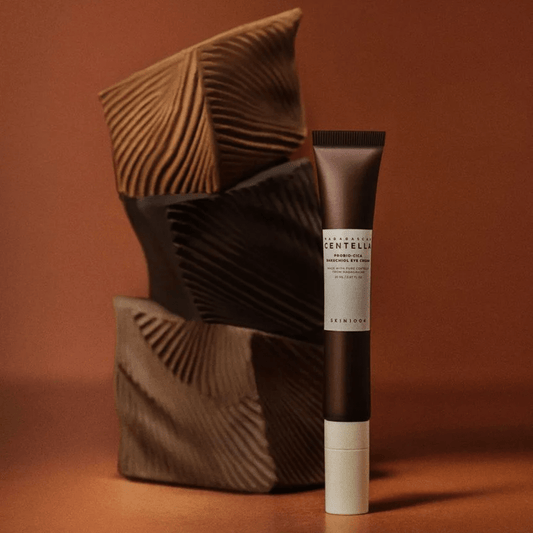
- Eye creams -- targeted peptide delivery around the eye area
- Sheet masks -- weekly intensive treatment option
Layering Peptides with Other Actives
Peptide serums are compatible with most skincare actives and suit dry skin well because they carry minimal irritation risk. They layer comfortably with hyaluronic acid, niacinamide, and vitamin C. One consideration for dry skin: strong acid exfoliants can degrade some peptide types if used in the same routine at the same time. Using peptides in the evening and any exfoliant on different evenings avoids this. Copper peptides specifically should not be combined with direct vitamin C (ascorbic acid).
- Compatible with hyaluronic acid, niacinamide, vitamin C
- Avoid layering with strong acids in the same routine session
- Copper peptides need to be kept separate from L-ascorbic acid
- Morning or evening use -- both work well for dry skin
Timeline for Results
Peptide results develop gradually -- most people notice improved skin firmness and texture over eight to twelve weeks of consistent use. Dry skin may also find that the improved structural support from peptide use makes the overall barrier feel more resilient, reducing the frequency and severity of dry patches. Peptides work best as part of a complete routine rather than standalone -- they support the hydrating steps rather than replacing them.
- Eight to twelve weeks for visible firmness improvement
- Gradual improvement in skin resilience and texture
- Best results alongside a complete hydrating routine
- Consistent daily use matters more than concentration
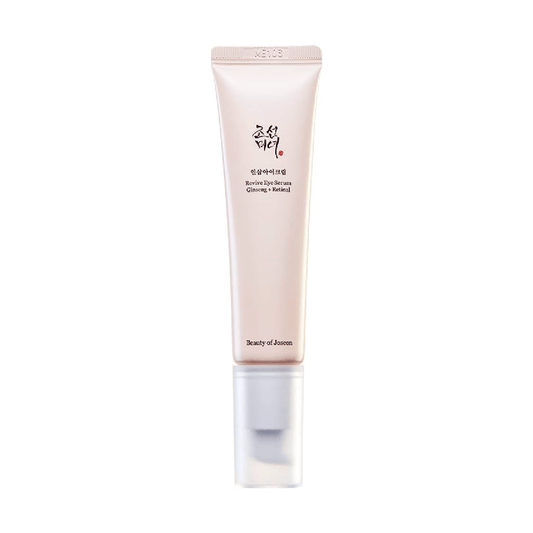
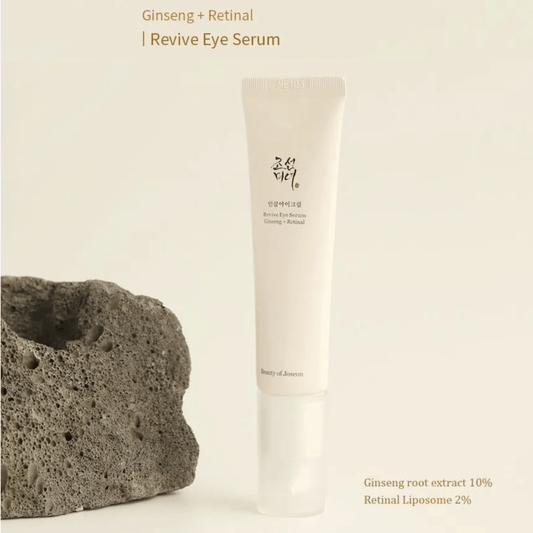
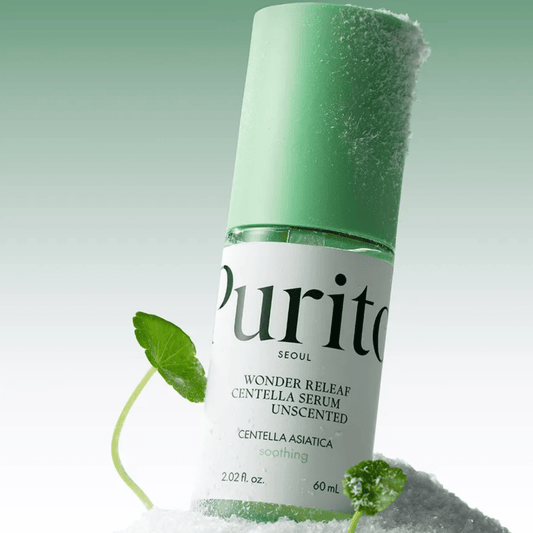
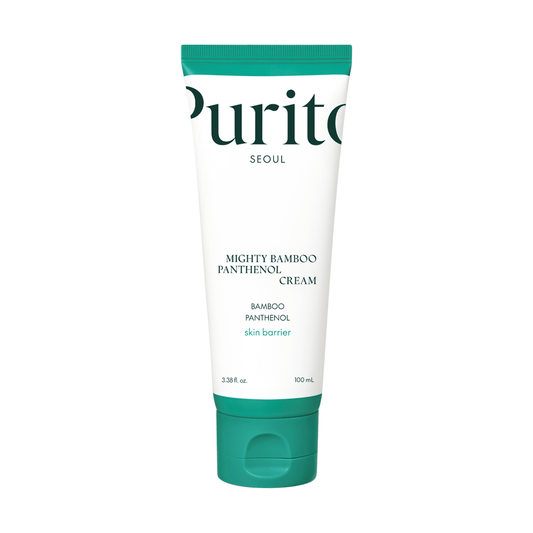
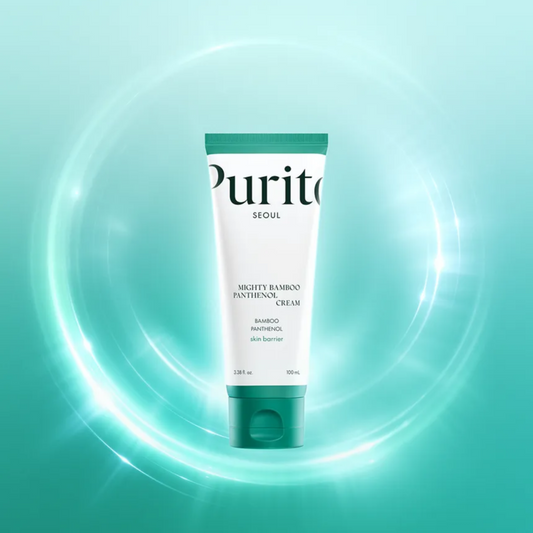
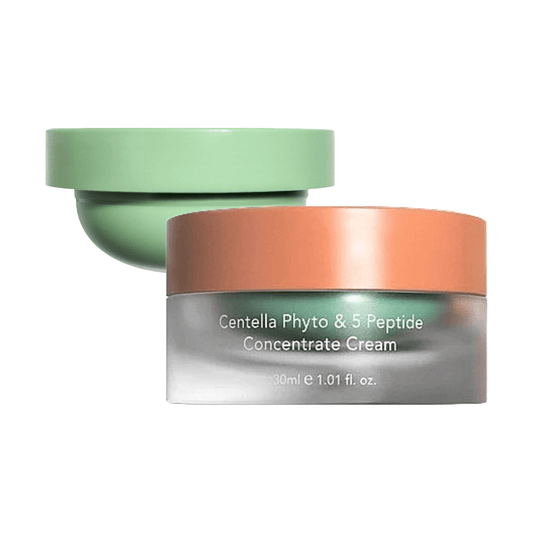
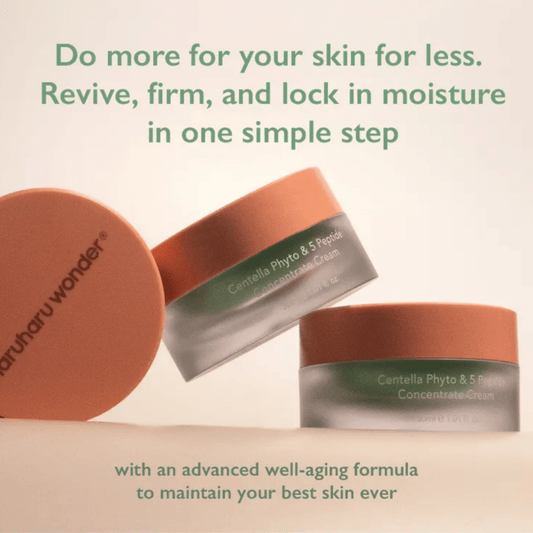
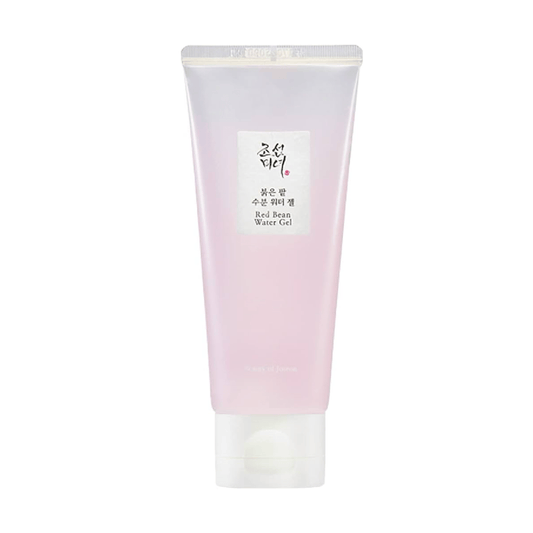
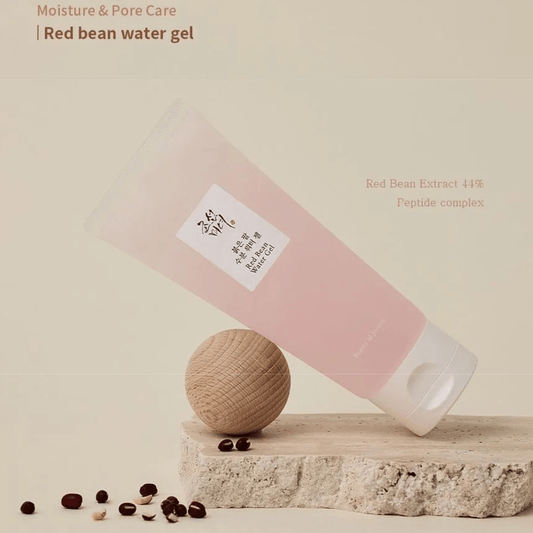
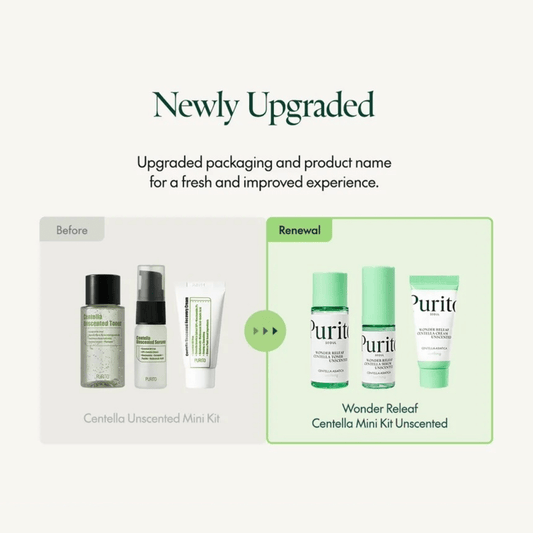
Find Korean peptide serums and ampoules below -- targeted treatment options that support dry skin's structural resilience alongside its moisture needs.