













K-Beauty for Dryness with Gentle Exfoliation addresses a problem dry skin knows well: cell turnover slows and dead cells accumulate on the surface rather than shedding naturally. The result is rough texture, dullness, and a barrier that struggles to absorb the hydrating products you apply over it. Gentle exfoliation addresses this by dissolving the bonds between dead cells without stripping the barrier or triggering more moisture loss, a balance that Korean skincare has developed into a distinct product category.
Types of Gentle Exfoliation
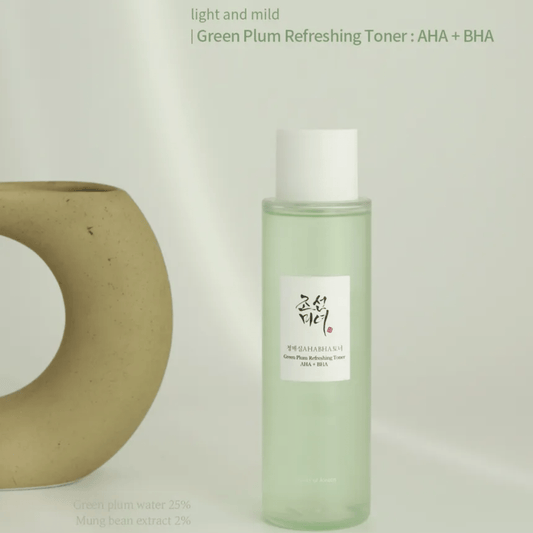
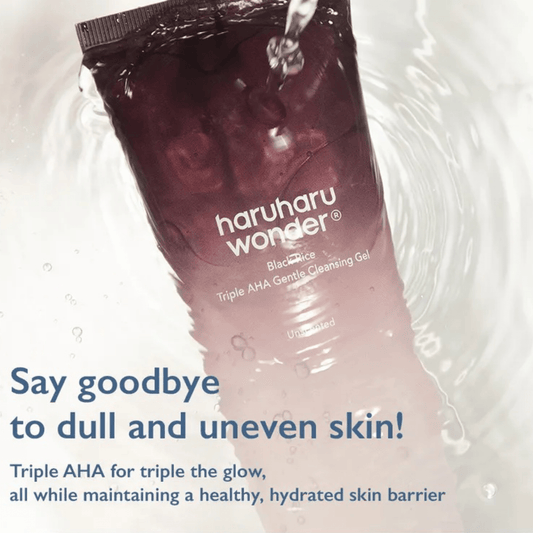
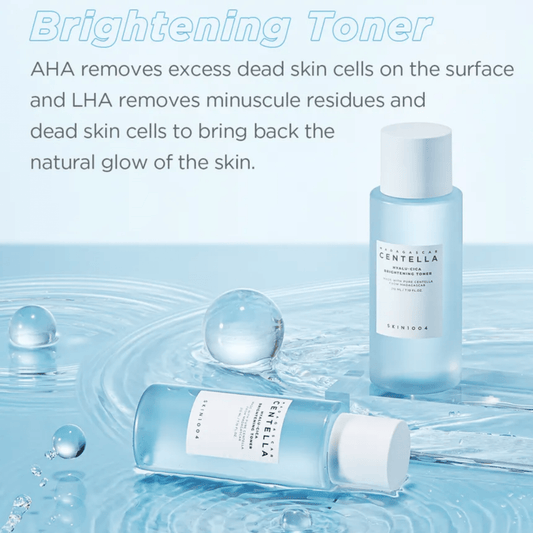
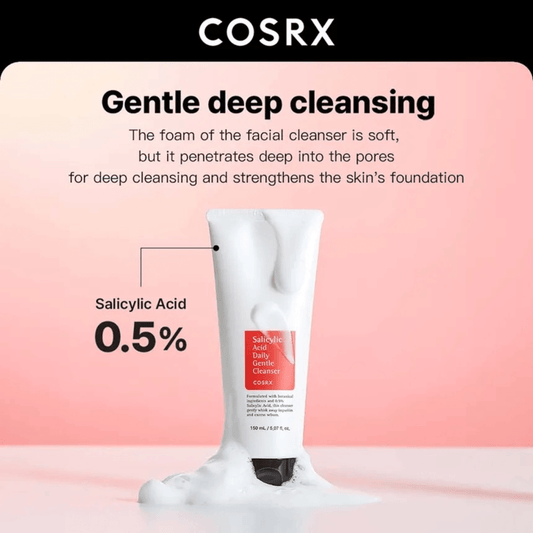
Korean gentle exfoliation typically falls into three approaches. Chemical exfoliation using low-strength PHAs (polyhydroxy acids) or lactic acid dissolves dead cell bonds without penetrating deeply. Enzyme exfoliation uses fruit enzymes like papain to break down dead skin proteins without any acid activity. Physical approaches use fine rice powder or soft cellulose rather than harsh walnut shell or microbeads. For dry skin, PHAs and enzyme options are often the gentlest because they don't lower pH significantly.
- PHA exfoliants: gentlest acid option, less barrier disruption
- Lactic acid: gentle AHA that also provides some hydration
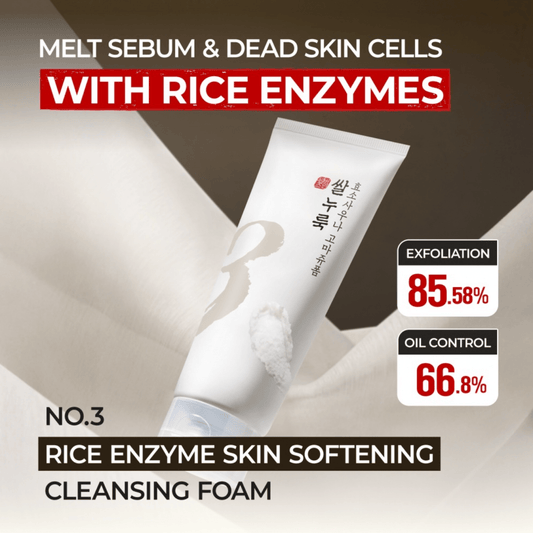
- Enzyme powder washes: break down dead skin without acid
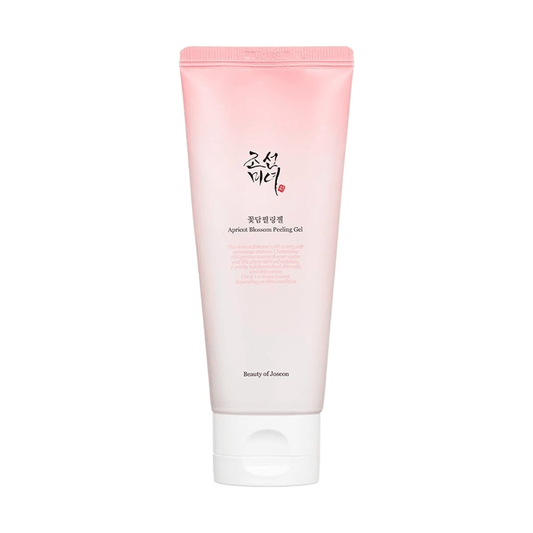
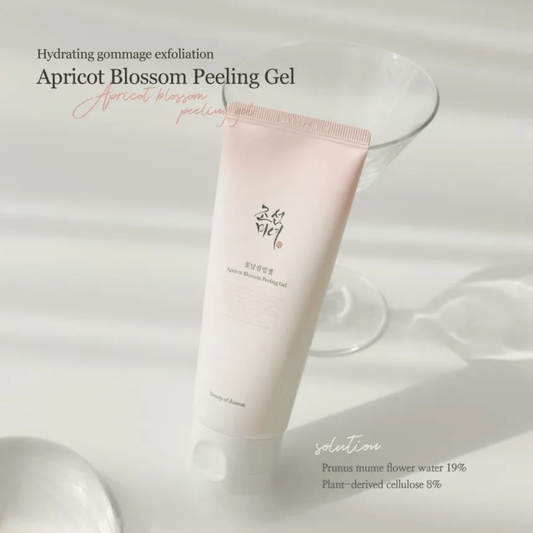
- Peeling gels: roll off surface cells through light friction
How Often to Exfoliate Dry Skin
Dry skin benefits from exfoliation but is easily over-exfoliated. The general guidance is two to three times per week for gentle exfoliants, starting with once a week if the barrier feels compromised. Peeling gels and enzyme washes can double as cleansing steps. Acid toners work best on exfoliation evenings, replacing the regular toner. Consistent, moderate exfoliation maintains smoothness without the reactive dryness that aggressive approaches cause.
- Start with once per week on compromised or very dry skin
- Two to three times weekly once the skin is stable
- Evening use allows overnight recovery before the next day
- Pause completely if redness or sensitivity appears
What to Avoid
Dry skin types should be cautious with high-strength AHAs (glycolic acid at 10%+), frequent daily exfoliation, and layering multiple exfoliating products in one routine. Physical scrubs with large particles can cause micro-abrasions on dry, fragile skin. Any product that causes stinging rather than mild tingling is working too aggressively. Follow exfoliation with a complete hydrating routine and always use sunscreen the following morning, as AHAs increase UV sensitivity.
- Avoid high-concentration glycolic or strong AHA products
- No daily exfoliation for dry skin types
- Never layer two exfoliating products in one routine
- SPF the morning after any acid exfoliation
After Exfoliation
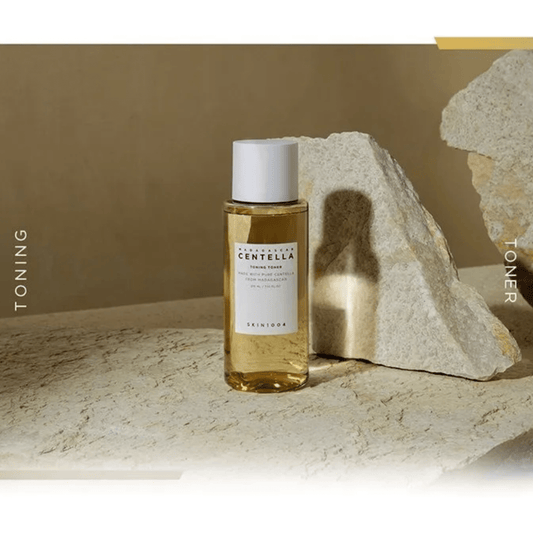
The step immediately after exfoliation matters for dry skin. A rich hydrating toner or essence applied while the skin is still slightly damp helps replenish moisture and calms any mild sensitivity. Follow with a serum, then a moisturiser that contains emollients to support the barrier. A sleeping mask two to three nights after exfoliation helps consolidate the smoothness achieved and keeps the freshly exposed surface comfortable.
- Apply hydrating toner immediately after exfoliation
- Layer serum and moisturiser to restore barrier support
- Sleeping mask two nights after for added recovery
- Morning sunscreen is non-negotiable after AHA use
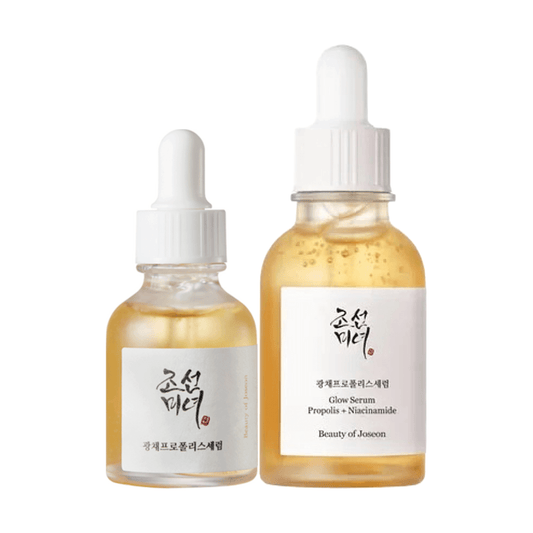
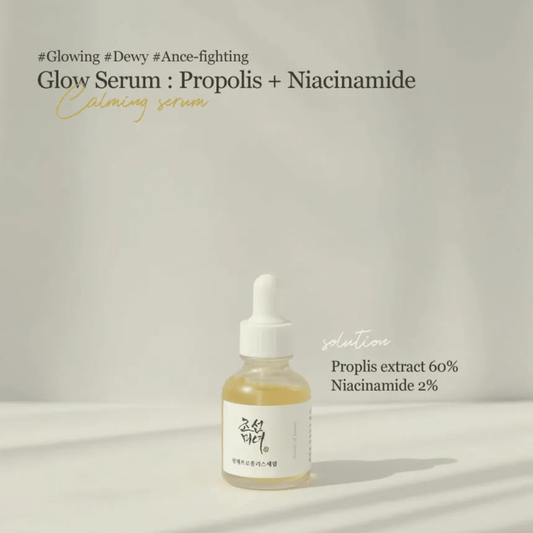
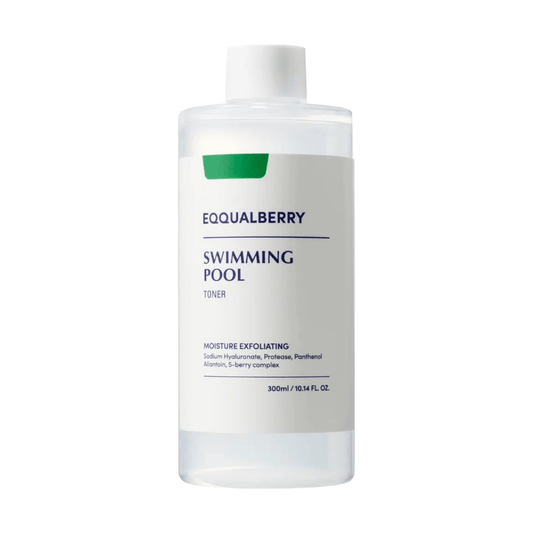
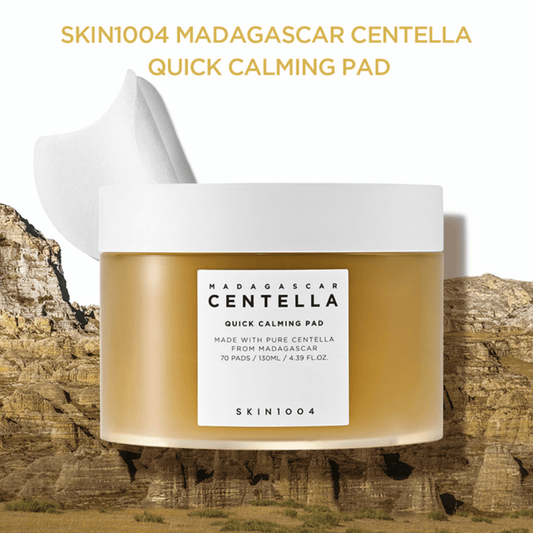
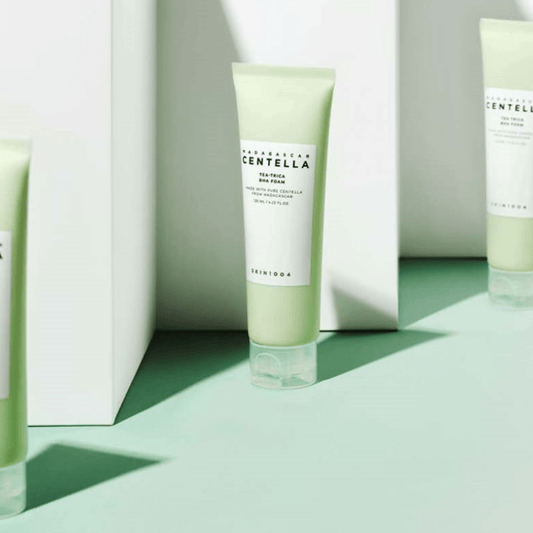
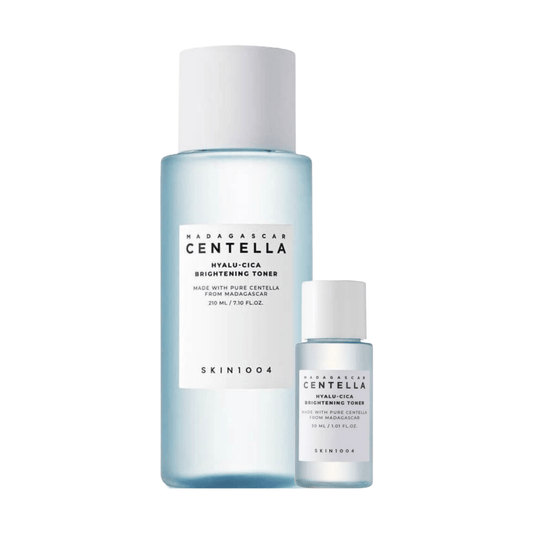
Explore the gentle exfoliation range below to find the right format for your dry skin, from soft enzyme washes to low-acid toners and peeling gels.