












Rough texture on dry skin has a straightforward cause: cell turnover slows when the skin is dehydrated, so dead cells accumulate on the surface rather than shedding naturally. The result is a sandpapery or bumpy feel, dullness from uneven light reflection, and a surface that struggles to absorb the products applied to it. Korean skincare approaches this problem from both sides -- removing the build-up gently while restoring the hydration that allows normal turnover to resume.
Why Dryness Creates Rough Texture
Normal skin sheds its outermost dead cells every 28-40 days. When the barrier is compromised by dryness, this shedding slows and stalls. Dead cells pile up unevenly, some areas flake while others feel rough and thick. Dehydration also makes the surface look flat and dull because dry, deflated cells scatter light rather than reflecting it evenly. Addressing the dryness is therefore part of addressing the texture -- not just a separate concern.
- Slowed cell turnover allows dead cells to accumulate
- Dry surface cells cause uneven light reflection and dullness
- Flaking and roughness often appear in the same patches
- Restoring hydration supports natural shedding processes
Ingredients That Smooth Rough Texture
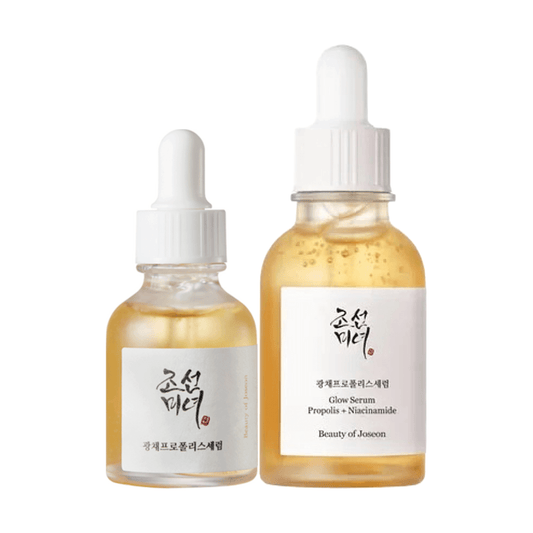
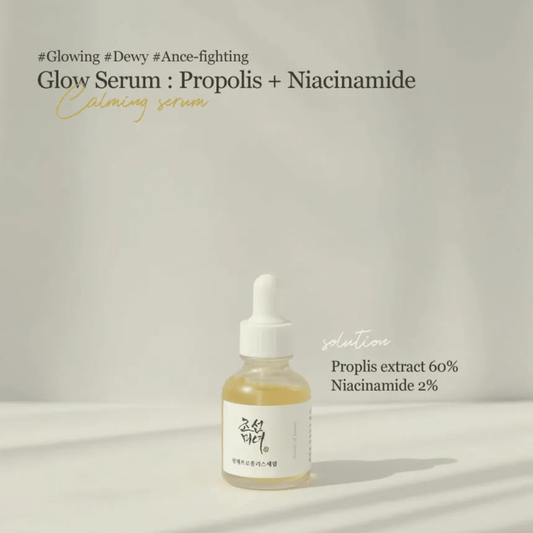
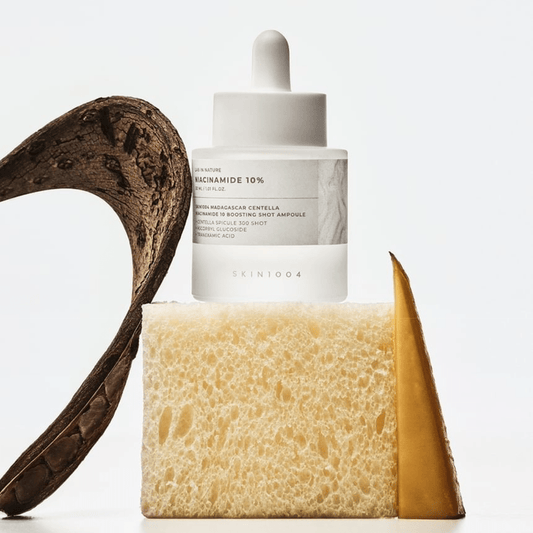
For dry skin, the safest exfoliating actives are PHAs (polyhydroxy acids) and lactic acid. PHAs are the gentlest chemical exfoliants -- large molecules that work at the surface without penetrating deeply, making them less likely to compromise an already-dry barrier. Lactic acid provides mild exfoliation while also attracting moisture, which suits dry skin well. Niacinamide smooths texture through a different mechanism -- by regulating cell turnover and reducing pore congestion without any acid activity.
- PHAs -- gentlest chemical option for fragile dry skin
- Lactic acid -- mild AHA that also provides some hydration
- Niacinamide -- smooths texture without acid activity
- Rice-based peeling gels -- physical option for sensitive skin
How Often to Exfoliate
Dry skin with rough texture benefits from two to three gentle exfoliation sessions per week rather than daily use. Evening exfoliation allows overnight recovery before sun exposure. On exfoliation days, follow with a full hydrating routine -- toner, serum, and a rich moisturiser -- to counteract any mild dryness the exfoliant creates. A sleeping mask the evening after exfoliation is particularly effective at restoring softness while the fresh skin surface consolidates.
- Two to three times weekly for most dry skin types
- Evening timing allows skin to recover before the next day
- Full hydrating routine immediately after exfoliation
- Sleeping mask the following evening for added softness
Results and Maintenance
Consistent gentle exfoliation on dry skin shows results within two to four weeks -- smoother texture, less flaking, and a more even look to the complexion. Once the rough texture has resolved, maintenance exfoliation once or twice a week is usually enough to prevent it returning. SPF in the morning is essential when using any chemical exfoliants, as AHAs and PHAs increase the skin surface's sensitivity to UV light.
- Visible smoothing within two to four weeks of regular use
- Maintenance: once to twice weekly once texture normalises
- SPF required the morning after any acid exfoliation
- Stop if redness or sensitivity increases
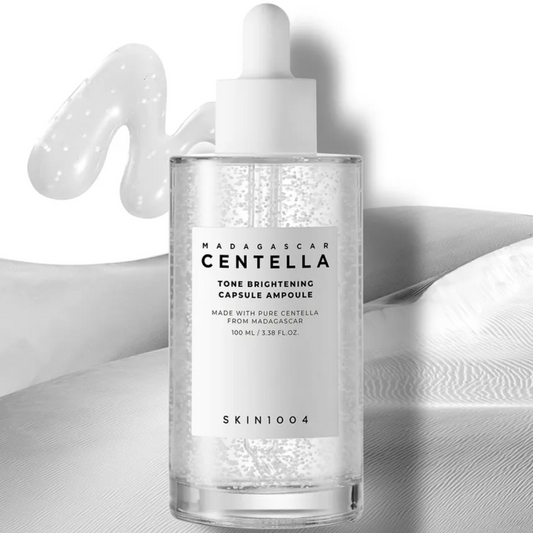
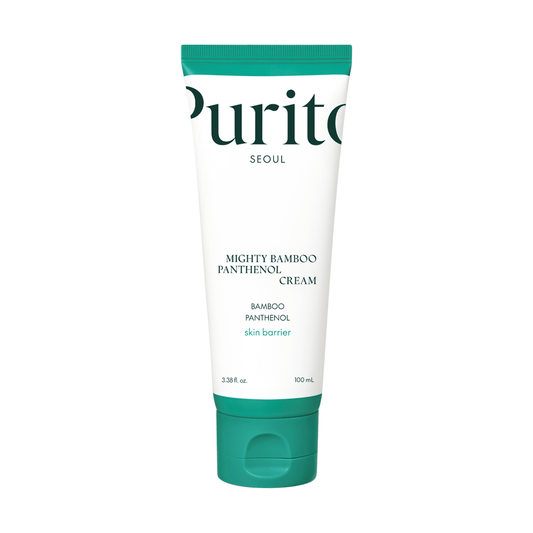
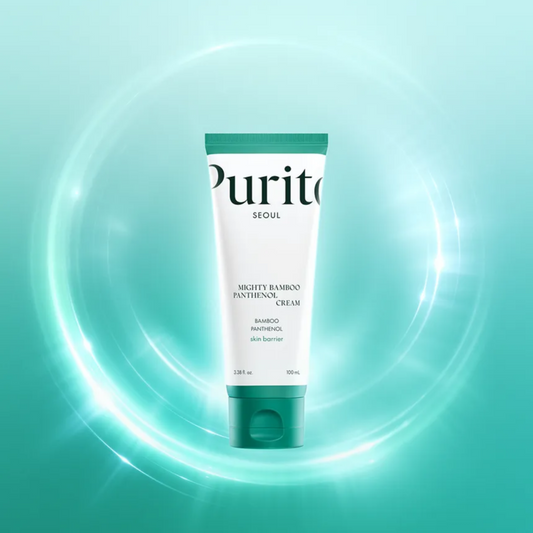
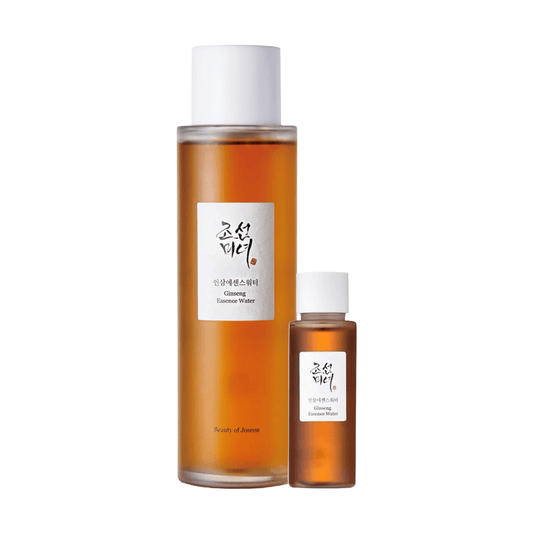
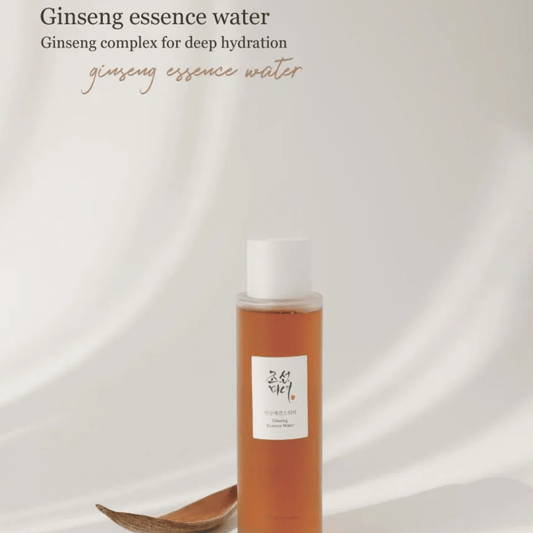
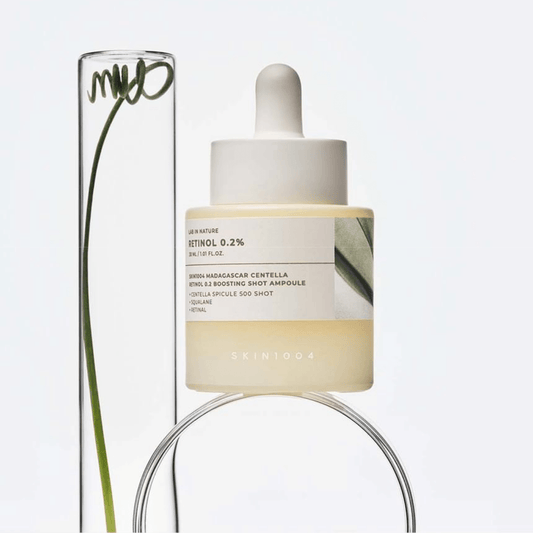
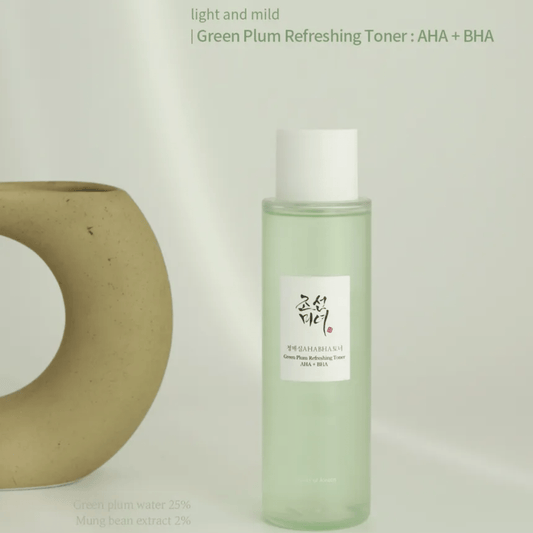
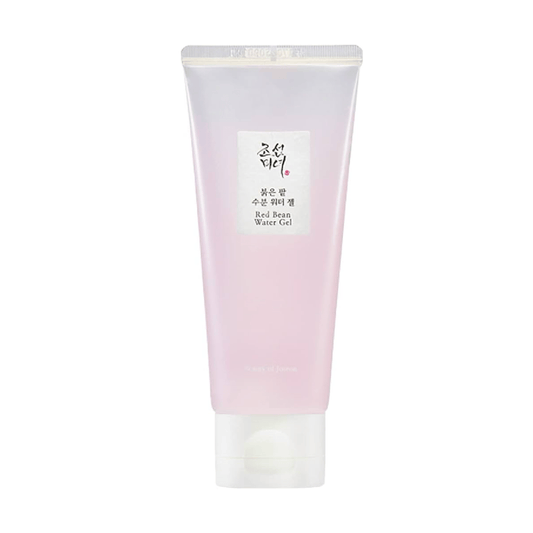
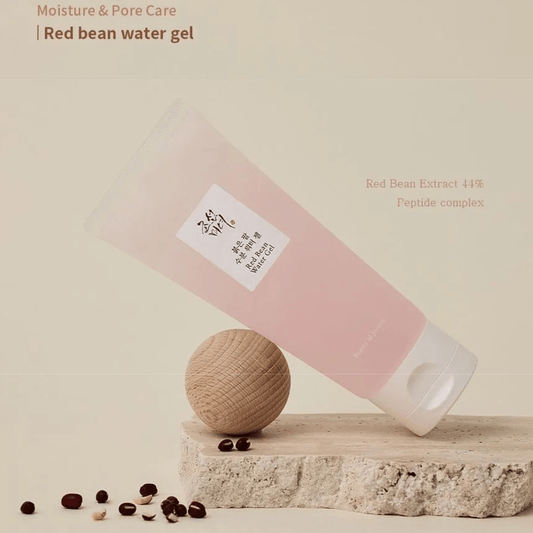
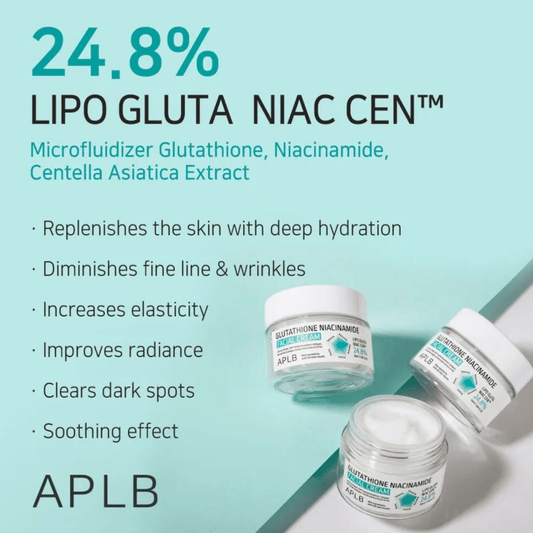
Browse the texture-smoothing products below to find the right format for dry skin -- from gentle PHAs to niacinamide serums and rice-based peeling gels.