


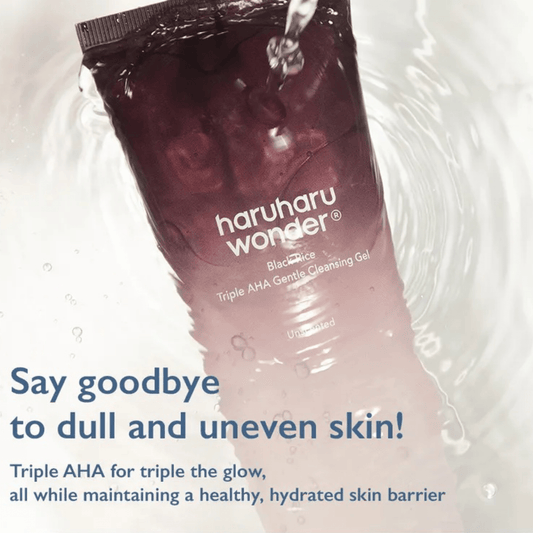

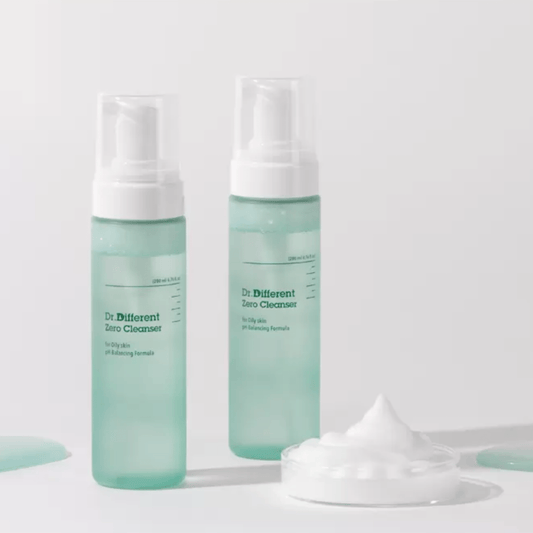

Citric acid appears in thousands of Korean skincare products, most often as a pH-adjusting ingredient that keeps formulas at the slightly acidic level the skin's acid mantle prefers. For dry skin, this matters because high-pH products disrupt the barrier enzymes that regulate moisture retention. When used in higher concentrations as an active exfoliant, citric acid provides one of the mildest AHA options, suited to dry skin that needs surface renewal without aggressive acid activity.
pH Balancing vs Active Exfoliation
Most Korean products containing citric acid use it as a pH adjuster in very small amounts -- typically below 1% -- where it functions as a buffer rather than an exfoliant. This is its most common and important role for dry skin: maintaining the slightly acidic environment (pH 4.5-5.5) that allows barrier enzymes to work correctly. At higher concentrations (typically 5-10% in exfoliating products), citric acid acts as a gentle AHA that loosens dead cell bonds, supporting the turnover that dry skin slows down.
- Low concentrations: pH balancing, not active exfoliation
- Higher concentrations: gentle AHA for controlled surface renewal
- Maintains the acid mantle needed for barrier enzyme activity
- Present across almost all Korean skincare categories
Why pH Matters for Dry Skin
The skin's acid mantle -- the slightly acidic surface film -- protects against bacteria, maintains barrier lipid structure, and supports the enzymes responsible for natural cell shedding. When cleaners or products raise this pH above 7, these processes are disrupted. Dry skin is already working with a compromised barrier; high-pH products make this worse. Using pH-balanced cleansers and toners maintains the acid mantle, giving dry skin's barrier the best conditions to function in despite its existing challenges.
- Acid mantle at pH 4.5-5.5 protects the barrier's function
- High-pH products disrupt barrier enzymes and worsen dryness
- K-beauty pioneered low-pH cleanser formulation for this reason
- pH-balanced toners help restore the acid mantle after cleansing
Using Citric Acid as an Exfoliant on Dry Skin
When used as an active exfoliant, citric acid suits dry skin at low to moderate concentrations with gradual introduction. Like other AHAs, it loosens dead cell bonds to improve surface turnover and reduce the flaky texture that dry skin develops. Use it in the evening routine two to three times weekly, follow with a complete hydrating routine, and always use SPF the following morning. Avoid combining with other exfoliants or strong actives on the same evening.
- Start at two to three times weekly and build up gradually
- Evening use only with SPF the following morning
- Follow with rich hydrating layers to support the barrier
- Do not layer with other exfoliants in the same routine
Recognising Citric Acid on Labels
Citric acid appears by name on ingredient lists, typically listed towards the end of the list when used as a pH adjuster (small amounts) or earlier when used as an active. Many Korean products include it without highlighting it because it is considered a functional background ingredient. Products specifically marketed as gentle AHA exfoliants will use citric acid at higher concentrations alongside or instead of glycolic or lactic acid.
- Listed near the end: probably a pH adjuster in small amounts
- Listed near the front: likely an active exfoliant at higher concentration
- Present in virtually all Korean cleansers, toners, and essences
- Not always marketed explicitly despite being widely present
Browse the Korean citric acid products for dry skin below -- pH-balanced cleansers and toners, and gentle AHA exfoliants at concentrations suited to dry skin.