

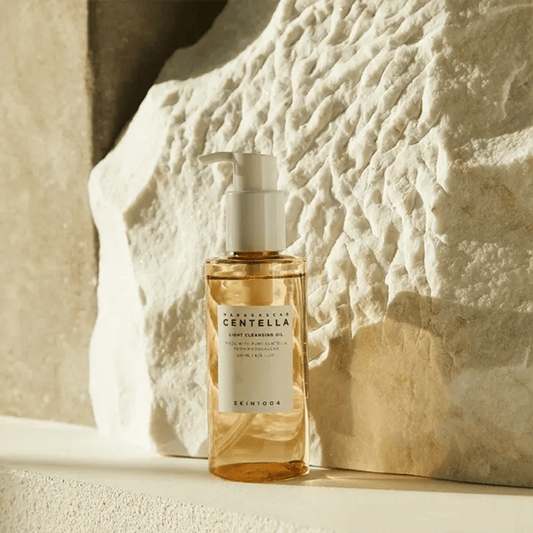
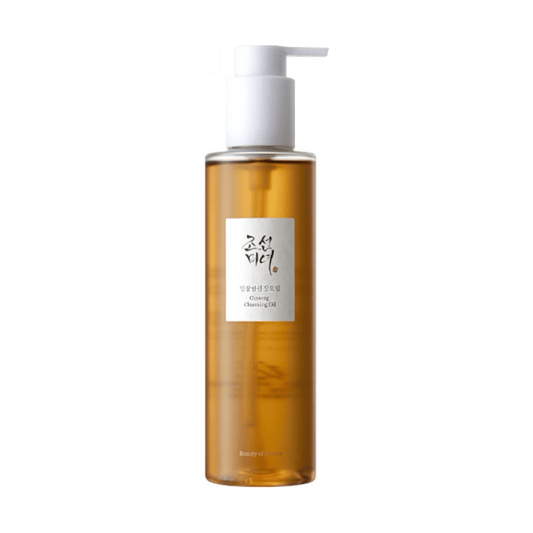
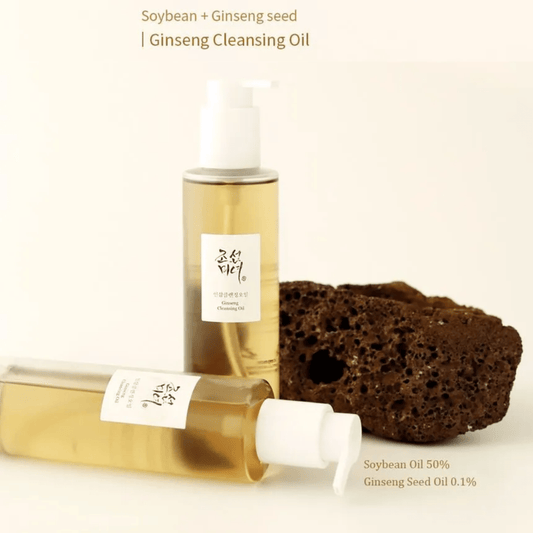

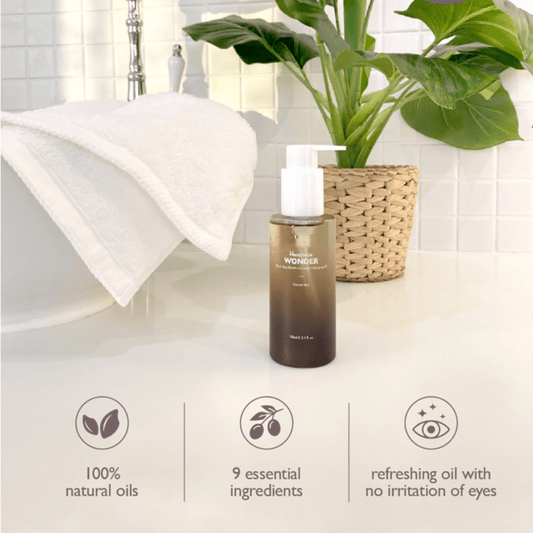

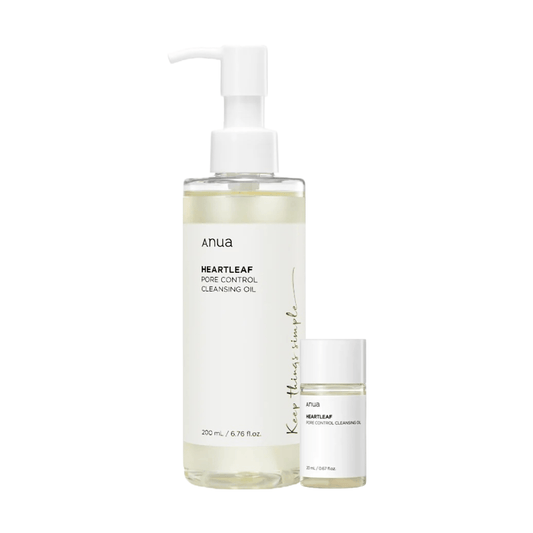
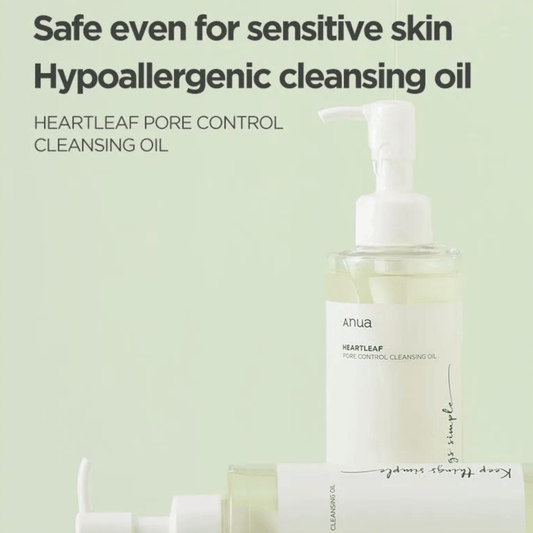

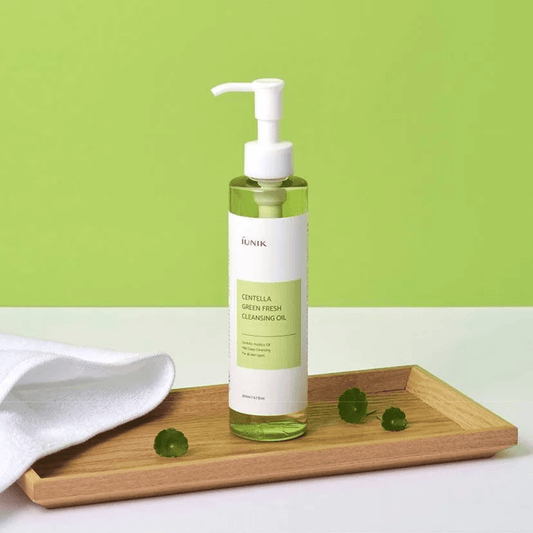

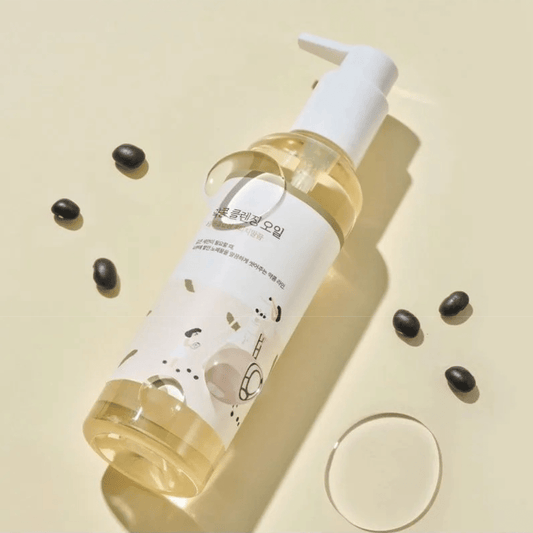

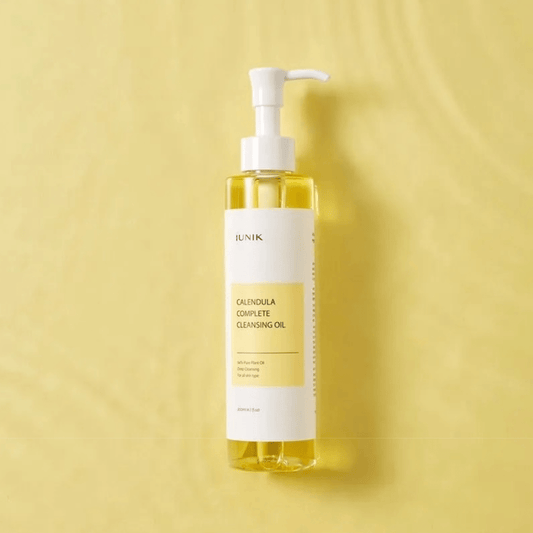

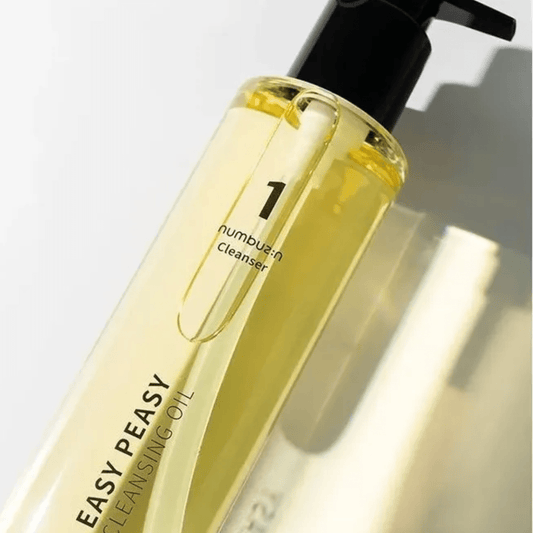

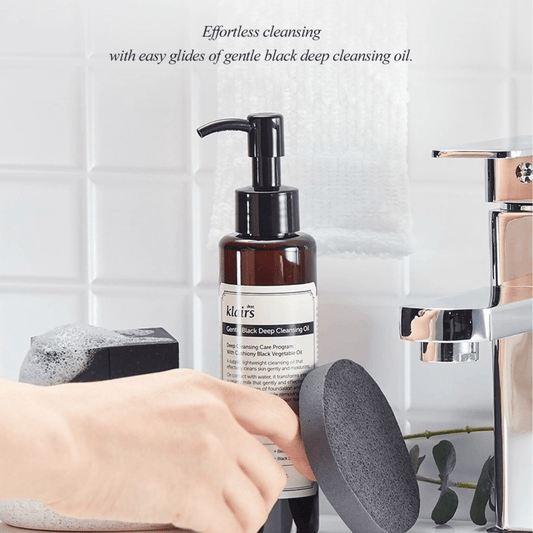

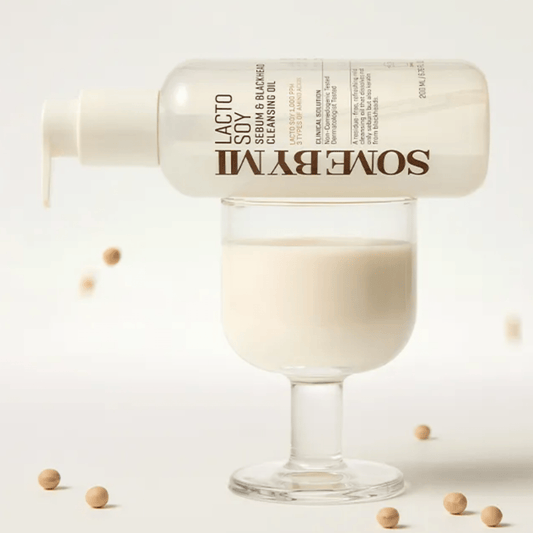

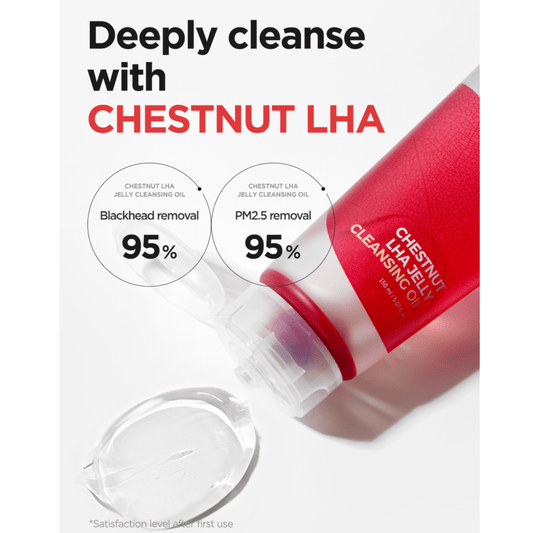
Korean Cleansing Oils for Barrier-Supporting address a fundamental problem with standard cleansers: most of them weaken the lipid barrier slightly with each use. Over time, this leads to increased sensitivity, tightness, and reduced moisture retention. These oils cleanse thoroughly while actively replenishing the barrier lipids that daily cleansing tends to deplete, making the cleansing step a source of barrier support rather than barrier stress.
What Makes a Cleanser Barrier-Friendly
Not every cleansing oil supports the moisture barrier equally. The best barrier-supporting formulas include ceramides, fatty acids, and cholesterol that mimic the natural lipids in the skin. They replenish what daily cleansing can remove from the outer lipid layer, keeping the barrier intact rather than gradually weakening it with each use. The oil mechanism of cleansing is itself barrier-friendly, since it requires no harsh surfactants that disrupt the lipid matrix and strip the natural oils the skin relies on for protection and moisture retention throughout the day.
- Ceramide-enriched formulas for direct barrier replenishment
- Fatty acids that mimic natural skin lipids
- pH-balanced to protect the acid mantle
- No harsh surfactants that disrupt the lipid matrix
Signs the Barrier Needs Support
Tight, dry, or flaky skin after cleansing is a sign of barrier stress. Redness and stinging when applying toner or serum also suggest compromise. Skin that has become reactive to products it previously tolerated is often dealing with a depleted lipid barrier. A barrier-supporting cleanser helps reverse these signs over time, providing a foundation for the rest of the routine to work properly by ensuring the first step does not undo the protective work that follows it in the evening and morning routines.
- Tightness or dryness after washing
- Redness and sensitivity to previously tolerated products
- Flaky patches that persist throughout the day
- Sudden reactivity to familiar products
Key Ingredients That Strengthen the Barrier
Ceramides top the list for barrier repair. Squalane and jojoba oil add nourishment without clogging pores. Centella asiatica calms inflammation while the barrier rebuilds. Linoleic acid from sunflower and rosehip oils restores the fatty acid composition that eczema-prone and sensitive skin frequently lacks. Together these ingredients create a cleanser that actively supports barrier health with each use, gradually improving the skin's resilience and moisture retention rather than simply performing a neutral cleanse and leaving barrier support to other steps in the routine.
- Ceramides for direct barrier lipid replenishment
- Squalane for lightweight, non-comedogenic moisture
- Centella asiatica for calming support during repair
- Linoleic acid for fatty acid restoration
Building a Barrier-Friendly Routine
Start with a barrier-supporting oil cleanser on dry skin each evening. Follow with a low-pH gel or cream cleanser as the second step. Layer a hydrating toner and a ceramide moisturiser on top. This approach gives the barrier multiple layers of support across the routine rather than leaving the repair work to a single product. In the morning, a gentle micellar water or rinse with cool water is often enough, preserving the barrier repair that the evening routine has begun. Avoid strong exfoliating acids on evenings when the barrier feels stressed, reactive, or already depleted from environmental exposure or previous active use.
- Oil cleanse first, then follow with a gentle second cleanser
- Choose low-pH formulas throughout the routine
- Finish with a ceramide-rich moisturiser to seal in hydration
- Avoid strong exfoliants when the barrier feels stressed
Explore the collection above. Each formula is chosen to cleanse thoroughly while keeping the skin strong and comfortable.