


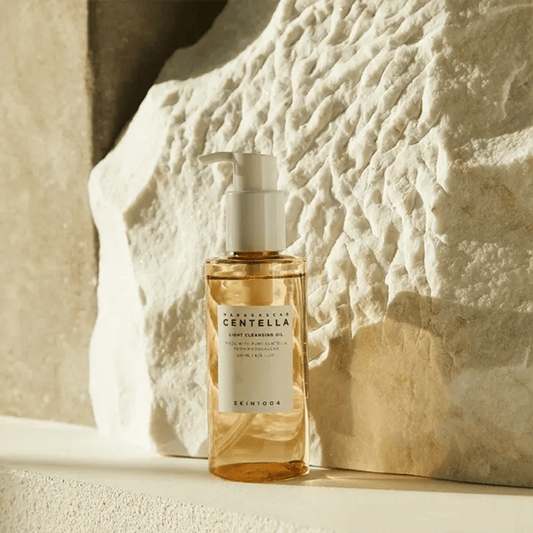
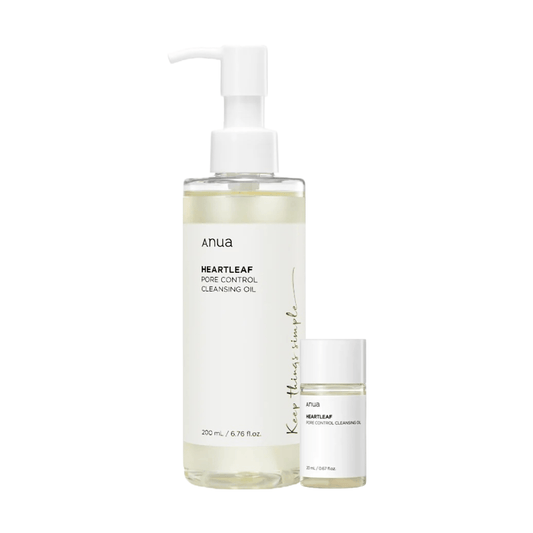
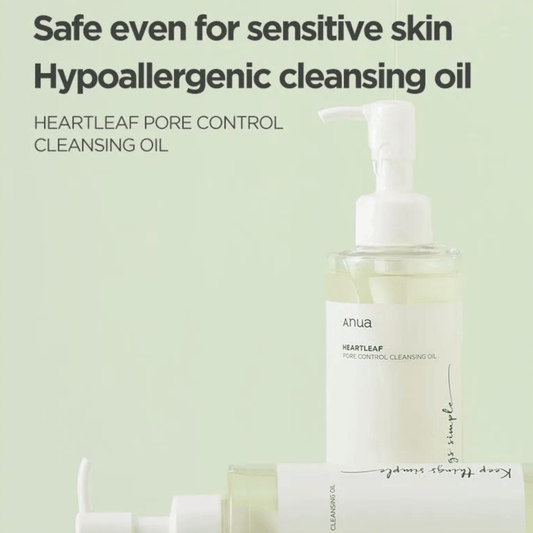

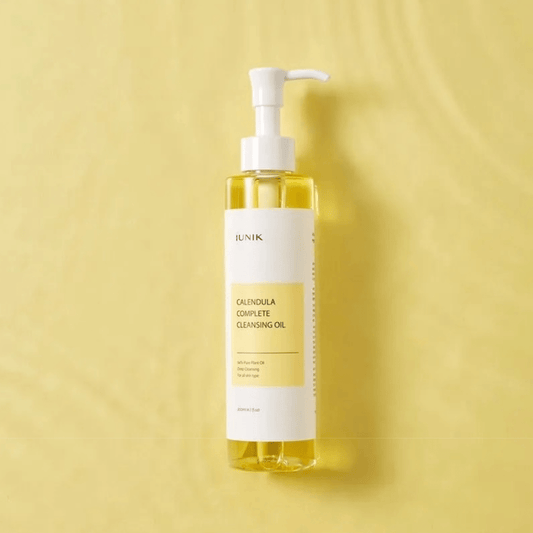
K-Beauty Cleansing Oils, Non Comedogenic address the most common concern about oil cleansers, the fear of clogged pores. These formulas are specifically selected for their lightweight, non-pore-blocking properties, offering the benefits of oil cleansing to skin that previously avoided it.
Understanding Non-Comedogenic Cleansing Oils
Not all oils behave the same way on skin. Some oils, particularly those high in oleic acid, like coconut oil, can sit in pores and contribute to congestion in pore-prone skin types. Non-comedogenic oils tend to be high in linoleic acid or are lightweight, stable emollients that rinse cleanly without leaving a pore-blocking residue. Squalane, jojoba oil, and sunflower oil all fall into this category. Korean cleansing oils built around these bases dissolve sebum and makeup through the oil-on-oil principle, then rinse away completely without leaving the congestion-causing residue behind.
- Built on linoleic-rich or lightweight oil bases
- Rinse away cleanly without pore-blocking residue
- Dissolve sebum through oil-on-oil cleansing
- Suitable for pore-conscious and blemish-prone skin
Benefits for Oily and Blemish-Prone Skin
It may seem counterintuitive to use oil on oily or blemish-prone skin, but non-comedogenic oil cleansing is often more effective at removing excess sebum than foam cleansers. Foam cleansers can strip the skin so thoroughly that the sebaceous glands produce more oil to compensate, a cycle that worsens oiliness. An oil cleanser removes sebum through dissolution rather than stripping, leaving the skin's natural balance intact. The result is skin that produces less excess oil over time, with fewer blocked pores and a cleaner base for blemish-focused products to work on.
- More effective sebum removal than foam cleansing
- Avoids the rebound oiliness that follows stripping
- Leaves a clean base for blemish-focused products
- Regulates the skin's oil balance over time
How to Use Non-Comedogenic Cleansing Oils
Apply to completely dry skin, water will prevent the oil from dissolving sebum properly. Massage in gentle circular motions for 60 seconds, paying attention to the nose, chin, and forehead where pores tend to be most visible. Add a small amount of water and continue massaging until the oil turns milky, then rinse thoroughly. A gentle second cleanser follows to remove any remaining residue. Patting dry rather than rubbing reduces friction on blemish-prone skin.
- Always apply to completely dry skin
- Massage 60 seconds before adding water
- Emulsify until milky, then rinse fully
- Pat dry, avoid rubbing blemish-prone skin
What to Check When Choosing a Non-Comedogenic Cleansing Oil
K-Beauty Cleansing Oils, Non Comedogenic formulas are typically identified by their oil base composition. Check the first few oils listed in the ingredient list, squalane, sunflower seed oil, jojoba oil, and camellia oil are consistently rated low on comedogenic scales and are reliable choices for pore-conscious skin. Avoid formulas that list coconut oil, palm oil, or heavy butter derivatives near the top of the ingredient list, as these have higher comedogenic ratings that may cause congestion in sensitive pores with consistent use.
- Squalane, sunflower, and jojoba are low comedogenic choices
- Check the first few oils in the INCI list
- Avoid coconut oil and palm-derived oils near the top
- Non-comedogenic labelling provides a useful starting filter
Browse the full collection above to find your non-comedogenic cleansing oil. Pore-conscious skin deserves a first step that works for it, not against it.