
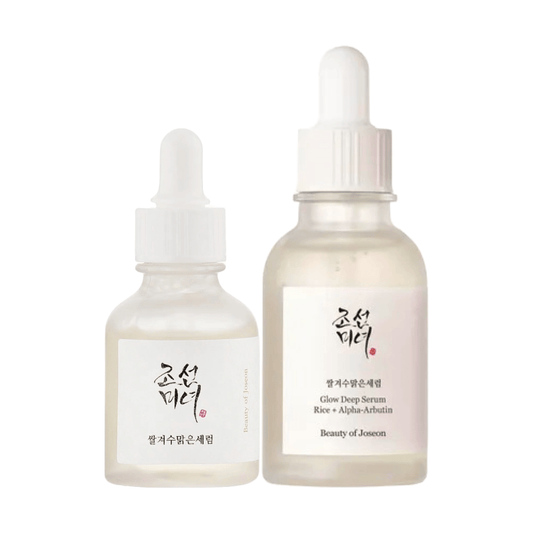
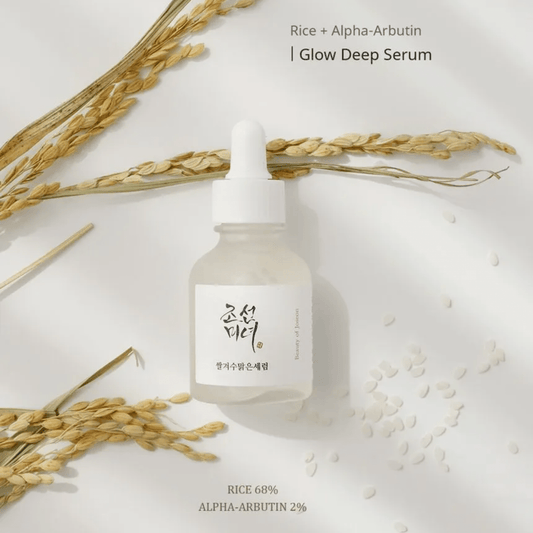

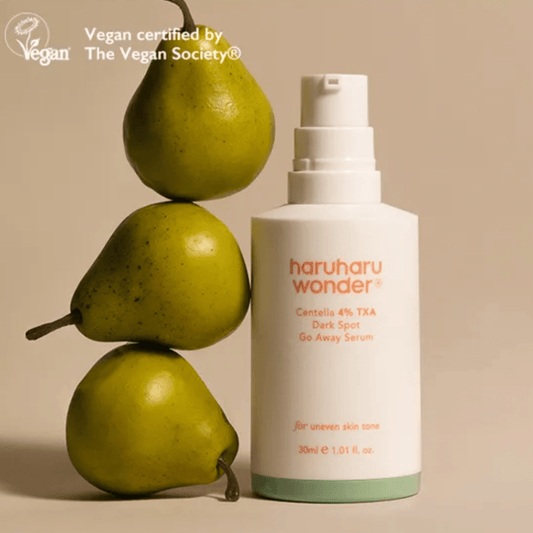

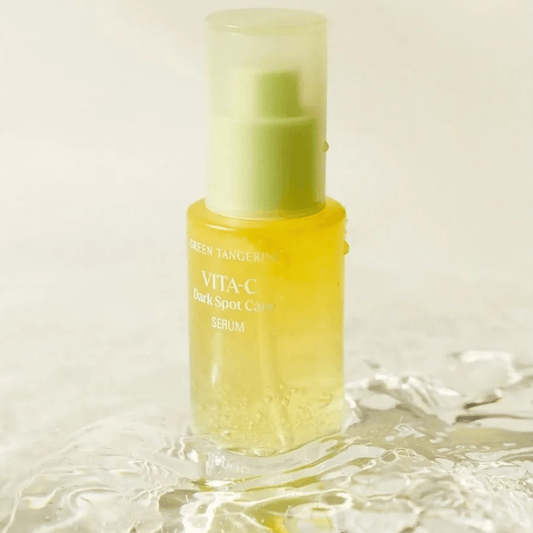








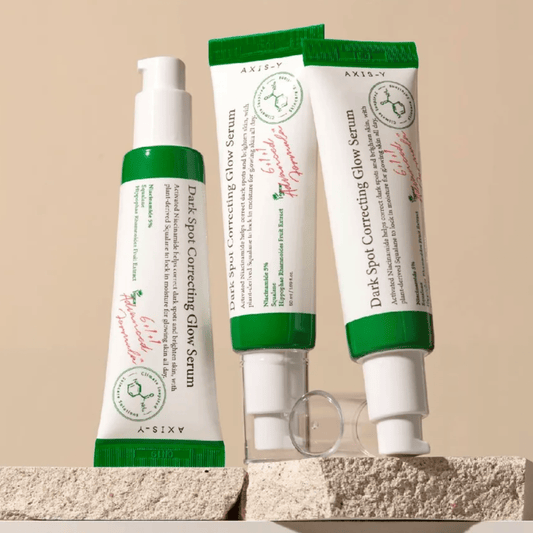

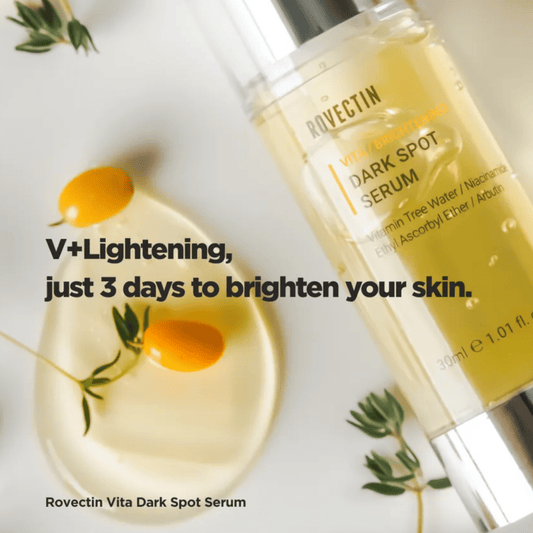

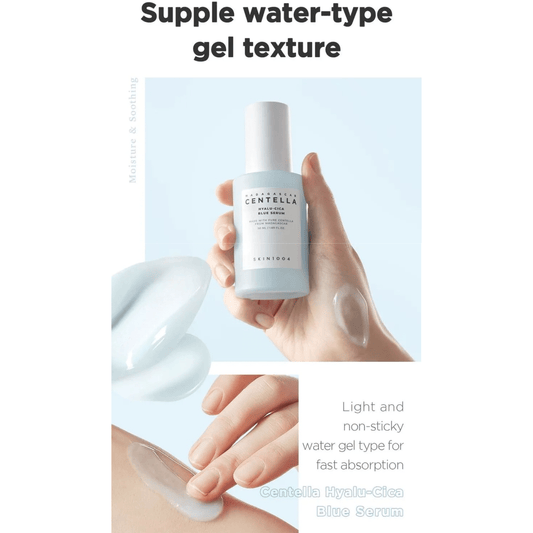


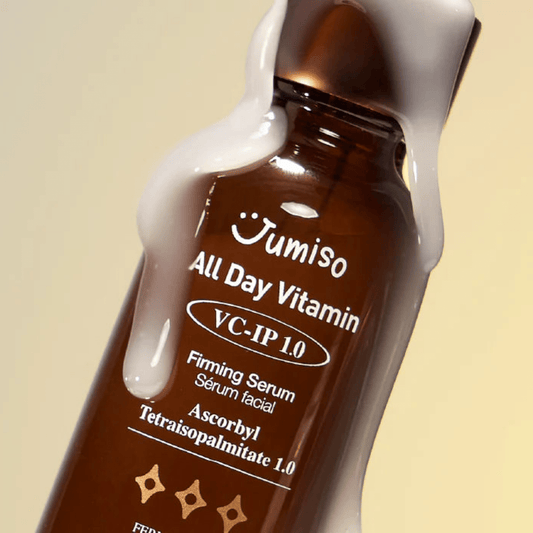


Brightening Serums target the appearance of dark spots, pigmentation, and uneven skin tone with concentrated actives. Applied after toning, they work below the surface to deliver gradual, visible improvements with consistent daily use.
Ingredients to Look For
The most effective brightening serums use well-established ingredients that support a more even complexion over time. Vitamin C - a powerful antioxidant that brightens while protecting the skin - is one of the most widely used. Niacinamide reduces the visibility of dark spots and balances skin tone. Alpha-arbutin works gently and steadily to even pigmentation. Tranexamic acid addresses stubborn discolouration without the irritation some find with stronger alternatives. Each of these ingredients delivers results with patience and consistent use.
- Vitamin C for brightening and antioxidant protection
- Niacinamide for spot reduction and balance
- Alpha-arbutin for gentle, steady tone-evening
- Tranexamic acid for stubborn pigmentation
How Long Until Results Are Visible
Brightening results are gradual - most people see the first visible improvements after four to six weeks of consistent daily use. Dark spots and pigmentation often take eight to twelve weeks to show meaningful reduction. The most noticeable early change is usually a general improvement in skin tone and an overall refreshed, more balanced appearance. Patience is essential, and protecting the skin with SPF every morning is equally important - without it, sun exposure can undo brightening progress.
- Overall tone improves within four to six weeks
- Dark spots take eight to twelve weeks
- Daily SPF protects brightening progress
- Consistent daily use is non-negotiable
Layering With Retinol or Exfoliants
Brightening serums can be combined with retinol or exfoliants, but the approach matters. In the morning, a vitamin C serum works well on its own before SPF. In the evening, apply brightening serums on their own or after a mild acid has fully absorbed. Avoid applying vitamin C and exfoliating acids at the same time as this can cause irritation. If using retinol at night, apply it after your brightening serum and follow with moisturiser to keep the routine balanced.
- Vitamin C in the morning works well alone
- Avoid combining vitamin C with acids at the same time
- Apply retinol after brightening serum in the evening
- Always finish with moisturiser to seal the routine
Safe for Sensitive or Reactive Skin
Sensitive skin can use brightening serums safely when the formula is chosen carefully. Niacinamide and alpha-arbutin are the gentlest brightening ingredients and suit reactive skin well. Vitamin C can cause some initial sensitivity - start with a lower concentration and build up gradually. Avoid serums with fragrance or alcohol. Always patch test before full-face use and introduce the serum slowly: every other evening to begin with, then once daily as the skin builds tolerance.
- Niacinamide and alpha-arbutin are the gentlest options
- Start vitamin C at a lower concentration
- Fragrance-free and alcohol-free is essential
- Patch test before full-face use
How to Apply a Brightening Serum Correctly
Apply two to three drops to clean, toned skin and press gently into the face and neck using the palms of your hands. Patting rather than rubbing encourages absorption without dragging the skin. Wait for the serum to fully absorb before applying moisturiser on top. In the morning, always follow with a broad-spectrum SPF as the final step. In the evening, a nourishing moisturiser will help lock in the serum and support overnight skin comfort.
- Two to three drops is the right amount
- Pat in gently with palms
- Allow full absorption before moisturiser
- Always finish with SPF in the morning
From everyday dullness to more visible pigmentation, you will find a range of brightening serums here that deliver steady, gentle results over time.
