


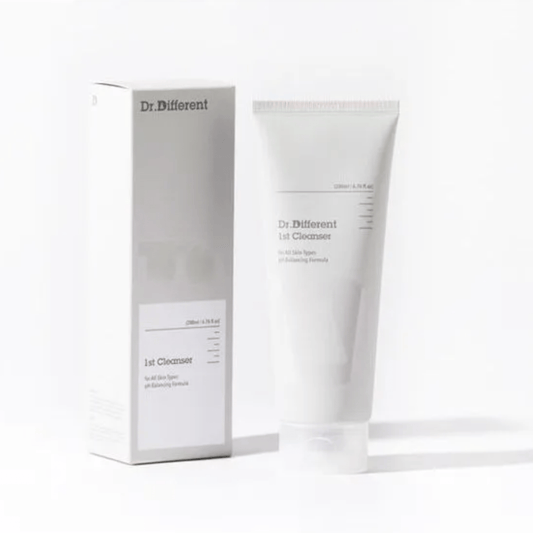
Water-Based Cleansers form the backbone of most daily skincare routines. These are the formulas you reach for every morning - and every evening after an oil-based first cleanse - to remove what sits on the surface of the skin and prepare it for everything that follows. The water-rich base makes them light, easy to use, and well tolerated by most skin types.
Morning or Evening - When to Use a Water-Based Cleanser
In the morning, a water-based cleanser removes overnight oils and any residue from your evening routine, leaving the skin fresh and ready for moisturiser and SPF. In the evening, it works as the second step in a double-cleanse routine - following an oil-based cleanser that removes makeup and sunscreen. Using a water-based cleanser alone in the evening is fine for days when no SPF or makeup has been worn. It is not effective at removing waterproof sunscreen on its own.
- Morning: removes overnight oils and routine residue
- Evening (double cleanse): second step after oil cleanser
- Evening (no SPF/makeup): can be used as a sole step
- Not effective alone against waterproof SPF
Water-Based vs Oil-Based - What is the Difference
Oil-based cleansers are designed to dissolve lipid-heavy products like sunscreen, makeup, and sebum. Water-based cleansers are designed to cleanse the skin itself - removing sweat, pollution, and any water-soluble residue. The two formats work differently and complement each other. Using both in sequence - oil first, water second - gives the most thorough evening cleanse. Using a water-based cleanser alone in the evening when SPF has been worn leaves residue behind and can affect the skin barrier over time.
- Oil-based: dissolves SPF, makeup, and sebum
- Water-based: removes sweat and surface impurities
- Both together give the most thorough evening cleanse
- Water-based alone does not remove oil-based SPF
Are Water-Based Cleansers Suitable for Removing Makeup and SPF
Standard mineral and chemical sunscreens are formulated with oils and emollients that resist water - a water-based cleanser will not dissolve them fully. The same applies to oil-based foundation and waterproof mascara. For a thorough cleanse at the end of the day, always begin with an oil-based first step. A micellar water, which is technically water-based but uses micelles to attract and lift oil, can remove light daily makeup and SPF in a pinch - but it is not as thorough as a dedicated oil cleanser.
- Does not fully remove oil-based SPF or makeup
- Always use an oil-based first step for thorough removal
- Micellar water is a lighter option for minimal makeup days
- Best for finishing a cleanse - not starting it
Choosing the Right Formula for Sensitive or Dry Skin
Sensitive and dry skin do best with fragrance-free, low-surfactant water-based cleansers. Look for added glycerin - which helps maintain skin moisture during the cleansing process - and ceramides, which strengthen the skin barrier. Avoid formulas with alcohol near the top of the ingredients list. A gentle, hydrating water-based cleanser used consistently creates a stable foundation for the rest of your routine, keeping the skin balanced and comfortable rather than reactive.
- Choose fragrance-free formulas for sensitive skin
- Glycerin maintains skin moisture during cleansing
- Ceramides protect and strengthen the skin barrier
- Avoid alcohol high in the ingredients list
Explore the full range and find the water-based formula that fits your skin type and daily routine. The right cleanser makes every step that follows more effective.
