
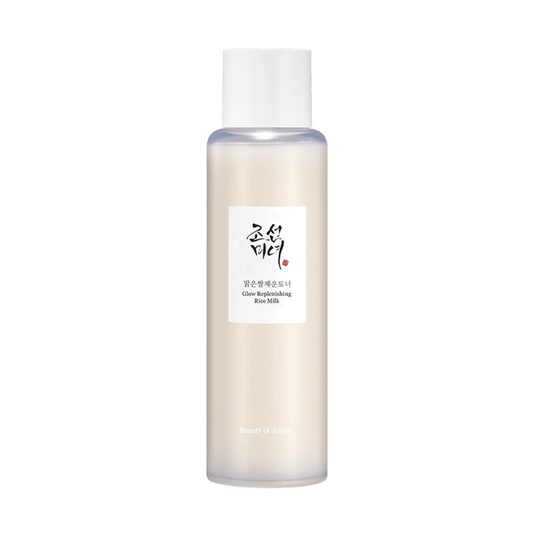
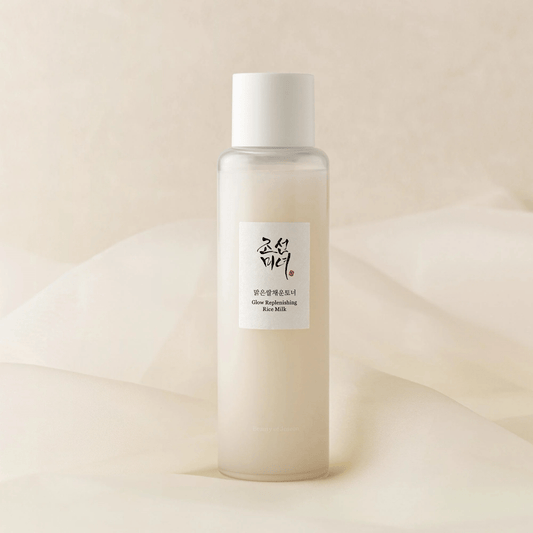

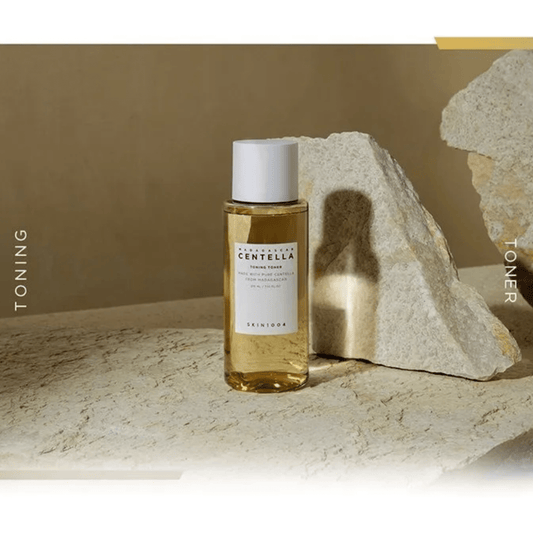

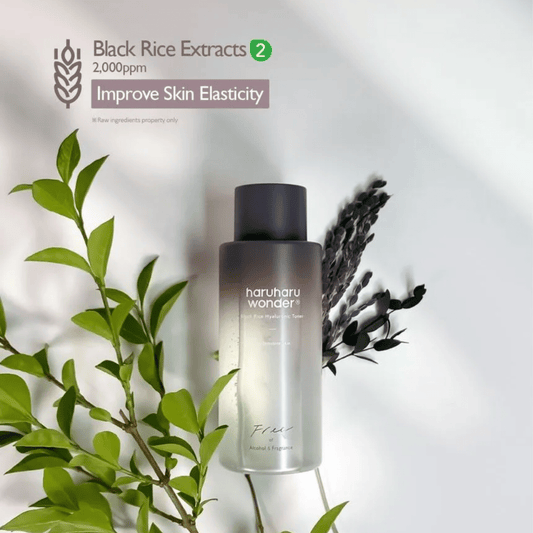

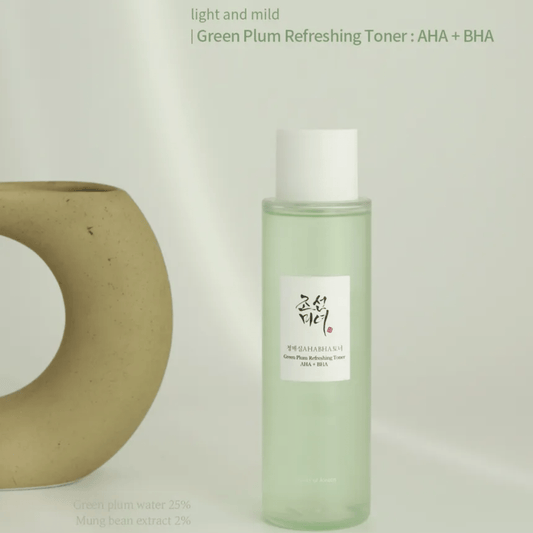
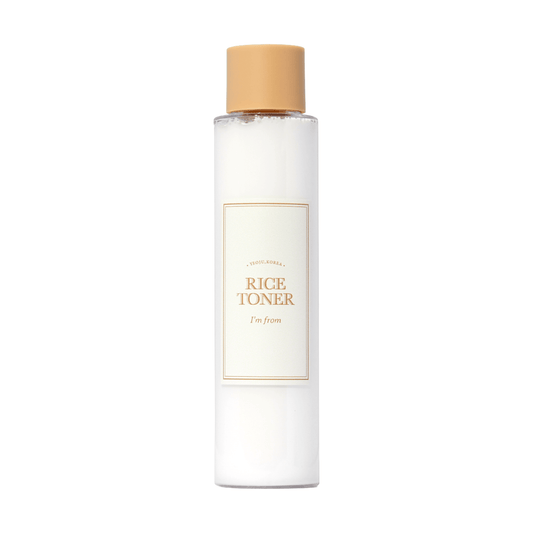


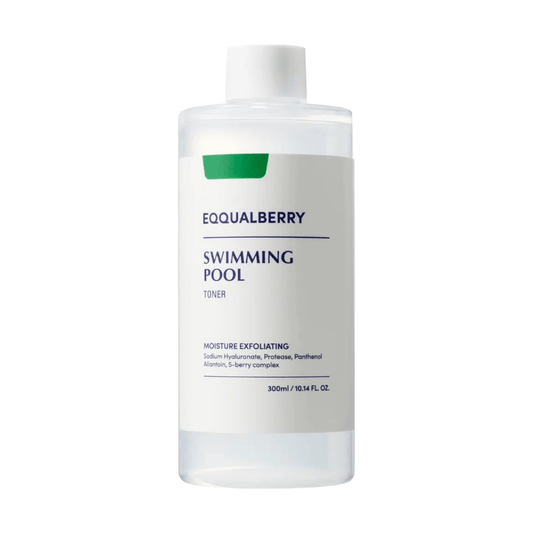

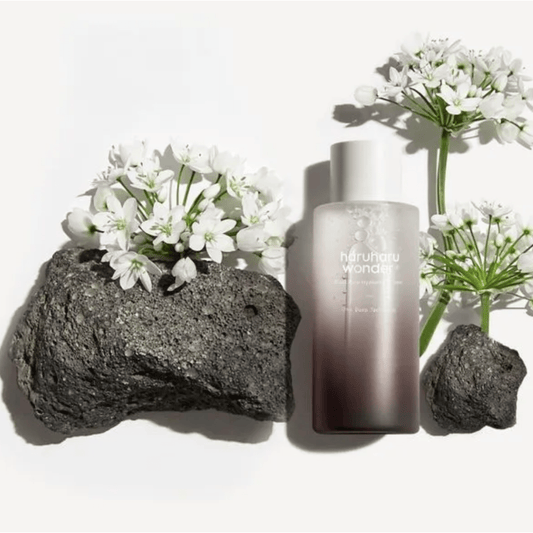


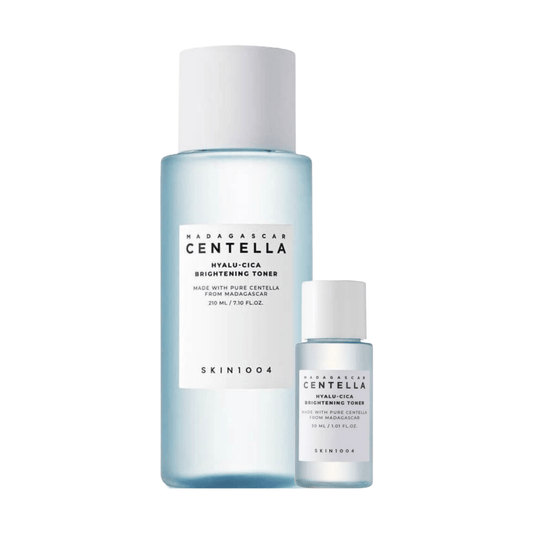
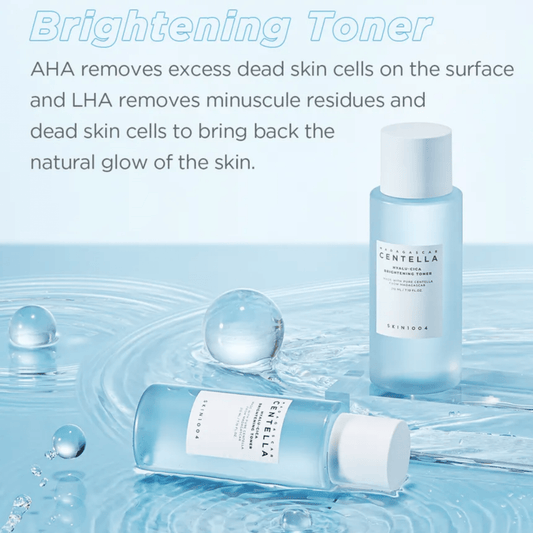

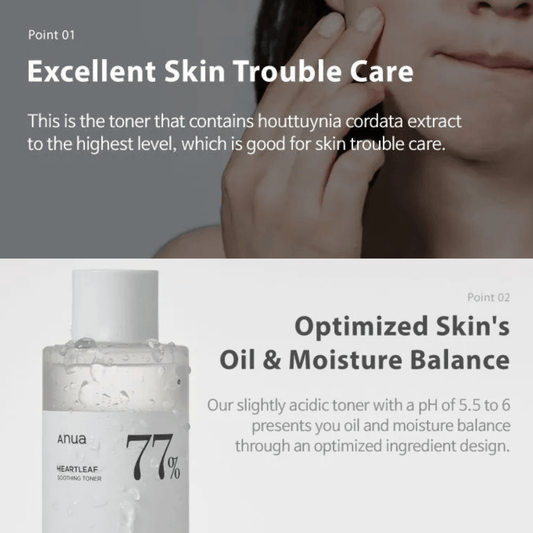

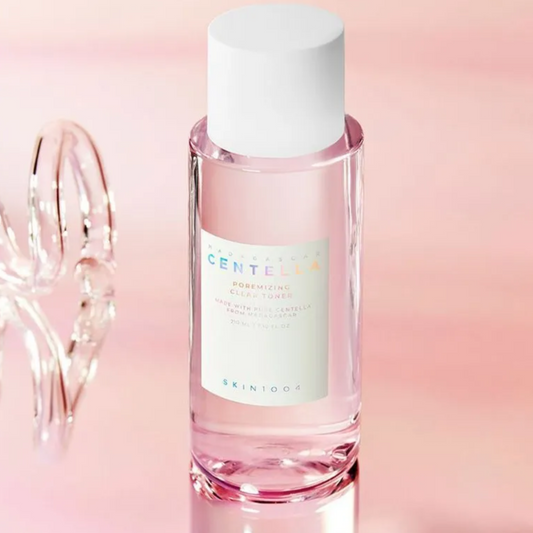

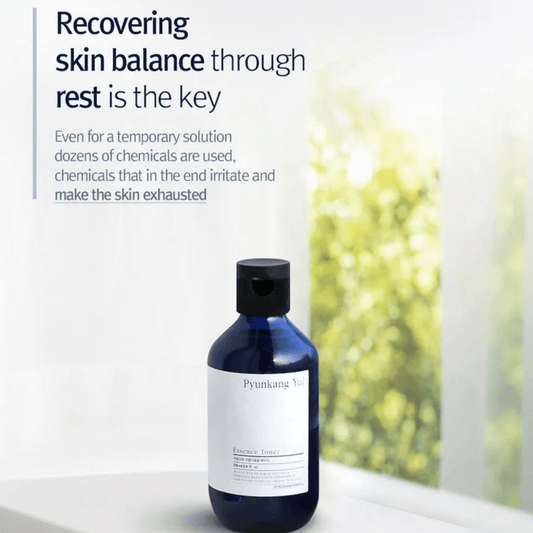

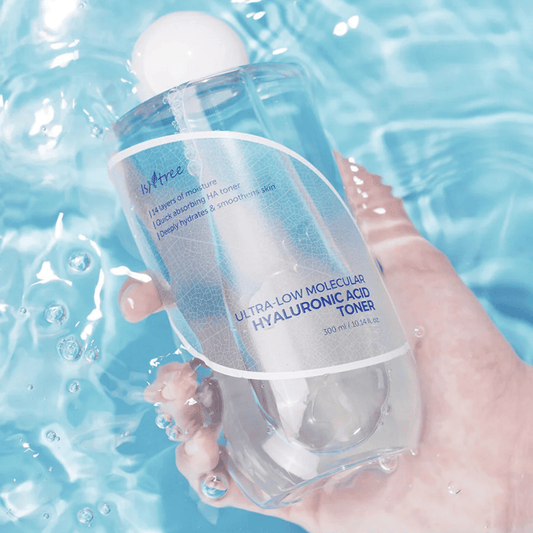

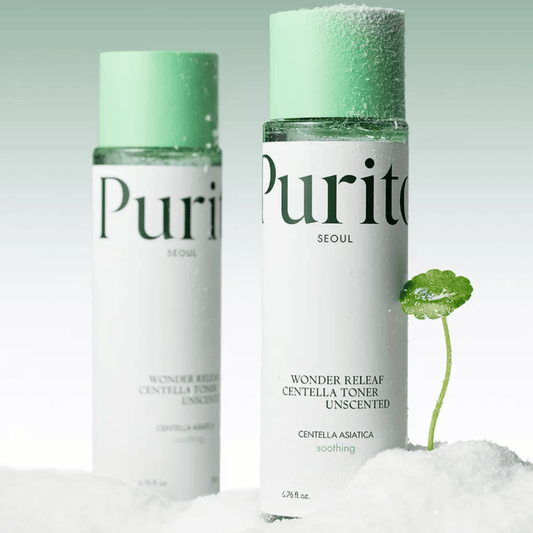
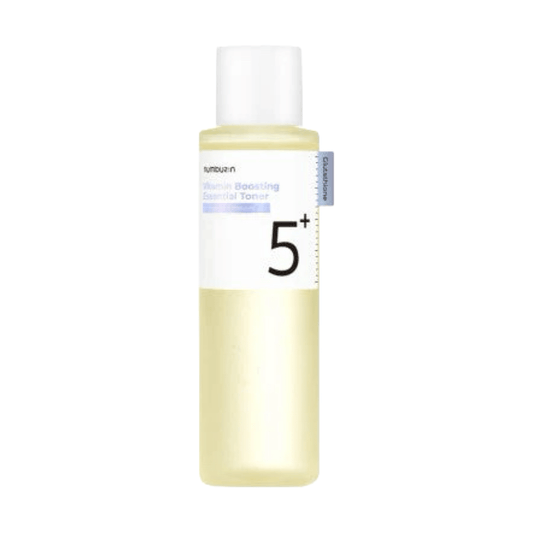
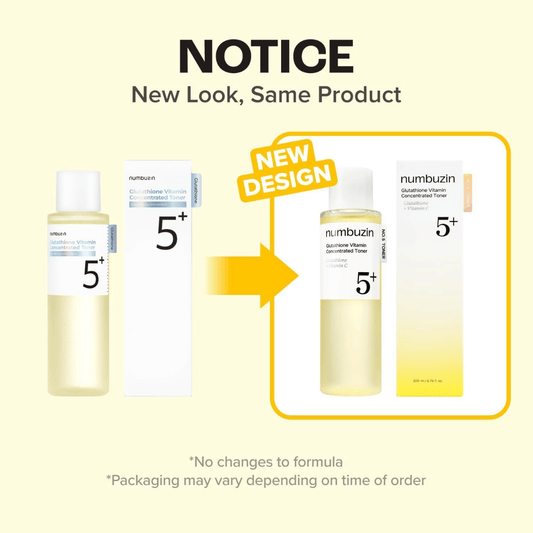

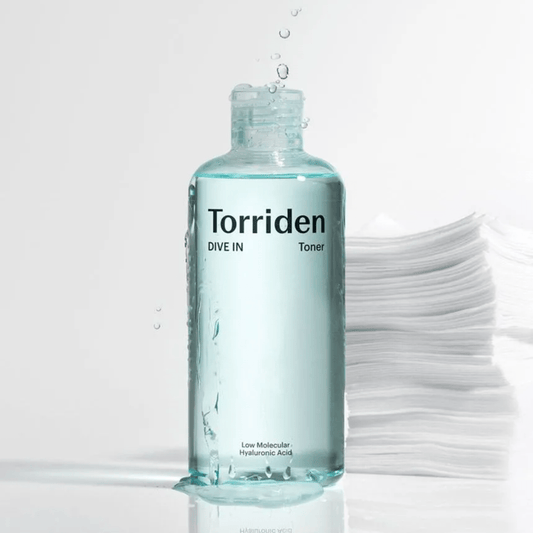
Toners are the step that closes the cleansing routine and opens the treatment routine. Applied immediately after washing, they rebalance the skin's surface and prepare it for the layers that follow - making everything you use afterwards work more effectively.
What a Toner Is Actually For
The original purpose of a toner was to remove residue and rebalance skin pH after cleansing. Today, most modern toners do much more than that. They hydrate, condition, and sometimes deliver actives - all within the same simple step. Think of your toner as the bridge between cleansing and treatment: it prepares the skin's surface so that serums and moisturisers can absorb more evenly and feel more comfortable throughout the day.
- Rebalances skin after cleansing
- Adds a first layer of hydration
- Primes the skin for serums
- Removes any final residue from cleansing
Cotton Pad or Hands
Both application methods are effective, but they deliver slightly different results. A cotton pad distributes the toner evenly and can lift any last traces of residue from the skin. Patting in with clean hands is gentler and wastes less product - it is particularly well suited to hydrating formulas and sensitive skin types. There is no wrong answer: use whichever method feels comfortable and gives your skin the most settled, even result.
- Cotton pad for thorough distribution
- Hands for a gentler experience
- Always press, never drag the skin
- Try both and see what your skin prefers
Choosing the Right Formula for Your Skin Type
Dry and sensitive skin types benefit from alcohol-free hydrating toners with humectants like glycerin and hyaluronic acid. Oily or combination skin may do well with a balancing toner containing niacinamide or a mild exfoliant. Normal skin is fairly adaptable and responds well to most lightweight formulas. The best approach is to look at the top of the ingredient list: the first five to six ingredients tell you the most about what the toner will actually do for your skin.
- Dry skin: hydrating, alcohol-free formulas
- Oily skin: balancing or mild exfoliating options
- Sensitive skin: fragrance-free, calming ingredients
- Normal skin: most lightweight formulas work well
Ingredients to Avoid for Sensitive Skin
If your skin is easily sensitised, certain common toner ingredients are worth avoiding. High concentrations of alcohol dry the skin quickly and disrupt the barrier. Fragrance is one of the most common contact irritants in skincare. Strong exfoliating acids are effective but can be too intense as a daily toner on reactive skin. Stick to fragrance-free, alcohol-free formulas with a short, recognisable ingredient list for the most comfortable daily experience.
- Avoid denatured alcohol in sensitive formulas
- Fragrance is a common irritant - choose free-from formulas
- Strong acids daily can over-sensitise
- Short ingredient lists reduce reaction risk
Morning and Evening Use
Most toners can be used twice daily - once in the morning and once in the evening - without issue. Morning use primes the skin for SPF and makeup. Evening use prepares the skin for any actives or richer overnight products you apply. If your toner contains exfoliating acids, evening-only use may be more appropriate - check the recommended use on the packaging and start slowly if your skin is not used to regular acid contact.
- Twice-daily use suits most formulas
- Morning toner primes for SPF
- Evening toner supports treatment absorption
- Acid toners may suit evenings only
From everyday hydration to targeted balancing, you will find a thoughtful selection of toners here - explore and find the one your routine has been missing.
