


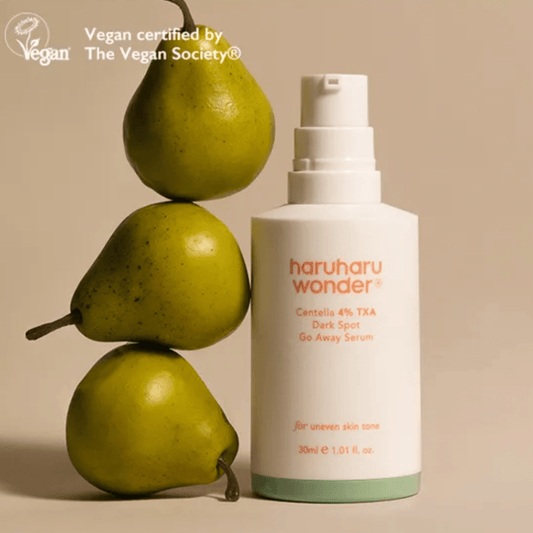

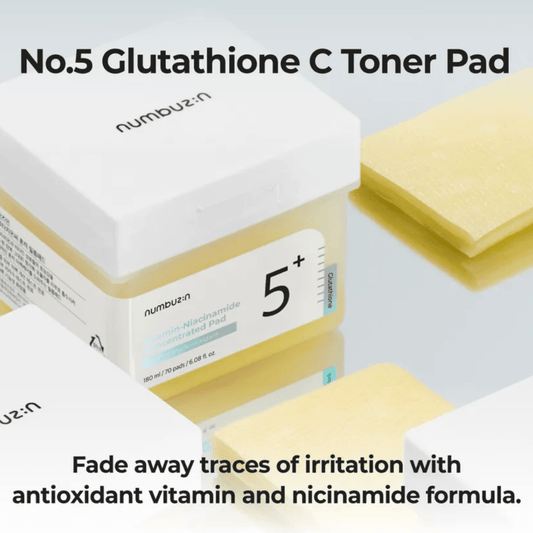

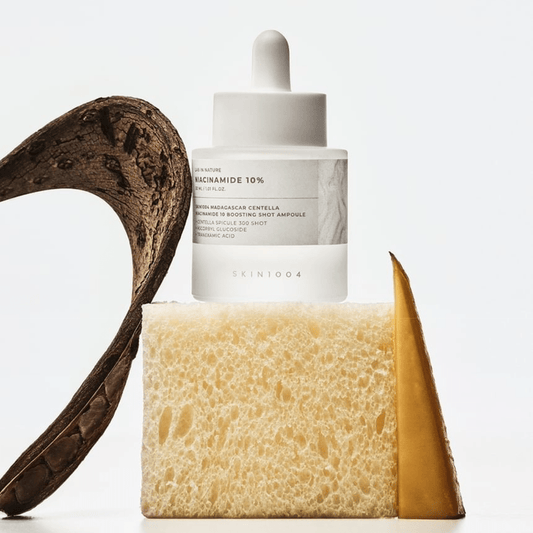

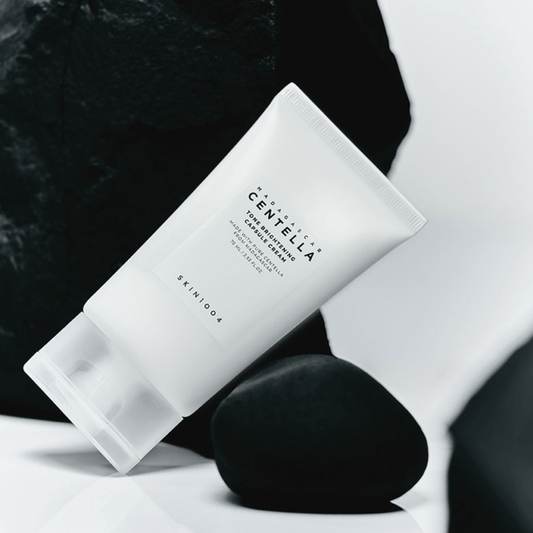

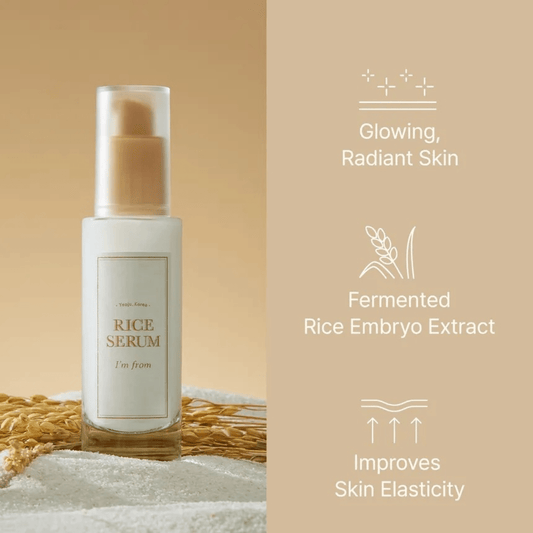

Soothing K-Beauty with Tranexamic Acid addresses a familiar frustration: the dark marks left behind by breakouts, reactions, and sun exposure on skin that cannot tolerate the actives typically used to address them. Vitamin C can oxidise and cause stinging; retinol can cause purging; hydroquinone is too potent for regular sensitive-skin use. Tranexamic acid offers a different approach: blocking melanin production without photosensitising the skin and without causing peeling.
How Tranexamic Acid Works Without Irritation
Tranexamic acid inhibits the plasmin pathway, which interrupts the signalling that triggers excess melanin production after UV exposure or inflammation. Unlike tyrosinase inhibitors such as arbutin or vitamin C, it works upstream, preventing the communication between keratinocytes and melanocytes before pigmentation is triggered. This mechanism means it is particularly effective for post-inflammatory hyperpigmentation, which occurs specifically in skin that has experienced inflammation. The fact that it is not photosensitising and does not cause peeling makes it genuinely compatible with soothing, barrier-focused skincare.
- Interrupts melanin signalling before pigment forms
- Particularly effective for post-inflammatory dark marks
- No photosensitisation: safe for morning use
- No peeling or barrier disruption at cosmetic concentrations
Pairing Tranexamic Acid with Soothing Ingredients
Korean tranexamic acid formulas typically combine the active with centella, niacinamide, or hyaluronic acid to ensure the skin remains calm and well-supported throughout tone correction. Niacinamide adds its own mild brightening action and anti-inflammatory support. Centella helps maintain barrier health as the brightening work progresses. This layered approach ensures that improving skin tone does not come at the cost of stability, which is especially important for skin that has been sensitised by the very inflammation that caused the pigmentation in the first place.
- Niacinamide adds brightening and anti-inflammatory support
- Centella maintains barrier health during tone correction
- Hyaluronic acid keeps skin hydrated throughout
- Layered approach prevents the irritation-pigmentation cycle
Why Tranexamic Acid Suits Sensitive Skin Better Than Alternatives
Many brightening actives come with trade-offs for sensitive skin. Vitamin C at high concentrations can sting and oxidise. Retinol causes an adjustment period with potential peeling. Kojic acid can irritate. Tranexamic acid avoids all of these issues. It is stable in formulation, does not degrade with light exposure, does not cause photosensitivity, and works at low concentrations without stinging. For skin that has tried and failed with other brightening actives, tranexamic acid is often the first one that feels genuinely comfortable.
- No stinging, peeling, or oxidation issues
- Stable in formulation and light-resistant
- Comfortable at low concentrations
- Often the first brightening active sensitive skin tolerates
Using Tranexamic Acid Effectively
Apply tranexamic acid serums in the treatment step after toner, morning and evening. Results build over six to twelve weeks of daily use. Consistency is more important than concentration. Always use SPF in the morning to protect brightening progress from UV-triggered pigmentation. Tranexamic acid pairs exceptionally well with vitamin C in the morning routine and retinol in the evening routine for a complete approach to tone correction. It is one of the few brightening actives gentle enough to use alongside soothing and barrier-repair products without conflict.
- Treatment step after toner, morning and evening
- Results build over six to twelve weeks
- SPF every morning to protect brightening progress
- Pairs well with vitamin C and retinol
Browse the range above and find your tranexamic acid formula. Calm skin and bright skin are closer than you think.