

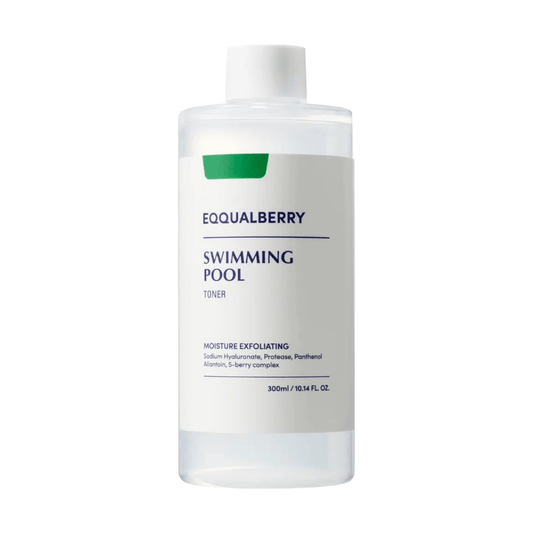


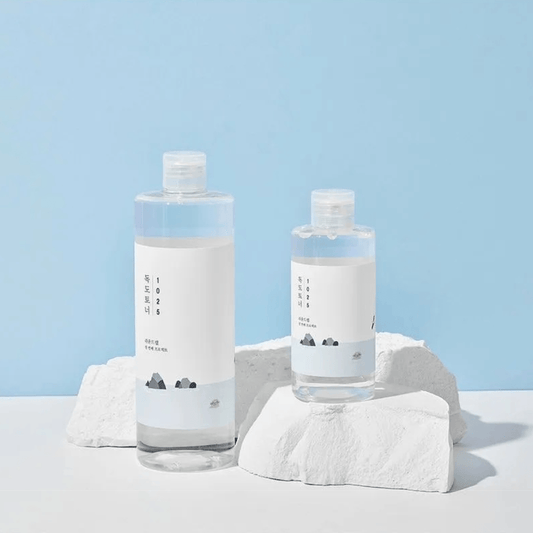

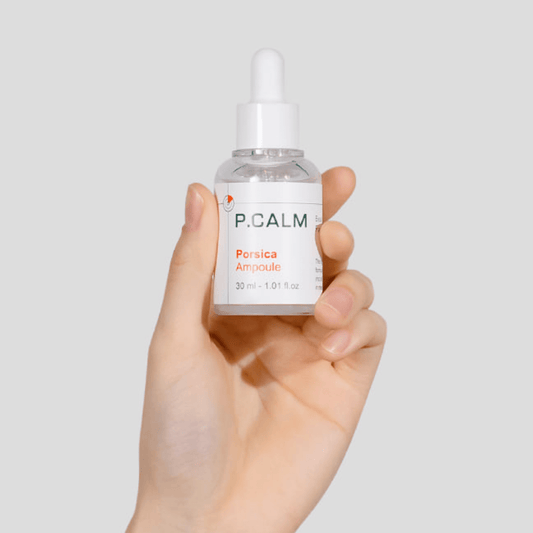
Soothing K-Beauty with Protease introduces enzyme-based exfoliation into the Korean soothing skincare approach. Protease enzymes break down the protein bonds that hold dead skin cells to the surface, allowing them to shed naturally without the friction of physical scrubs or the acidity of chemical exfoliants. For reactive skin that needs gentle resurfacing, protease offers a third option that works at the skin's own pace.
How Protease Enzymes Exfoliate Gently
Protease enzymes target the desmosomes, the protein structures that bind dead cells together on the skin surface. By selectively breaking these bonds, the enzyme allows dead cells to release without disturbing the living cells beneath. This is fundamentally different from AHAs (which dissolve cell bonds through acid) or physical exfoliants (which abrade the surface). The gentleness of enzyme exfoliation means there is no stinging, no redness, and no increased photosensitivity afterward. Skin feels smoother and looks brighter without any of the irritation that makes other exfoliation methods risky for sensitive skin.
- Targets protein bonds between dead cells only
- Does not disturb living cells beneath
- No stinging, redness, or photosensitivity
- Gentler than both AHAs and physical scrubs
- Smoother, brighter skin without irritation
Protease Sources in Korean Skincare
Korean brands source protease enzymes from several natural origins. Papain from papaya and bromelain from pineapple are the most common plant-derived proteases. Subtilisin from bacterial fermentation is used in some formulas for a more controlled enzyme activity. Each source has slightly different activity levels and optimal pH ranges. Papain is the gentlest and most widely used in K-beauty sensitive skin lines. Formulas often combine the enzyme with calming ingredients like allantoin or centella to ensure the exfoliation process remains comfortable from start to finish.
- Papain from papaya is the gentlest option
- Bromelain from pineapple for moderate activity
- Subtilisin from fermentation for controlled exfoliation
- Often combined with allantoin or centella for comfort
Enzyme Exfoliation vs Acid Exfoliation for Sensitive Skin
For sensitive skin choosing between enzyme and acid exfoliation, the key difference is the mechanism and the aftermath. Acid exfoliants work by lowering the pH on the skin surface, which can cause stinging and increases photosensitivity for 24-48 hours. Enzyme exfoliants work at neutral pH and do not increase sun sensitivity. This means enzyme exfoliation does not require the same cautious approach to SPF timing that acid exfoliation demands. For skin that has reacted to AHAs or BHAs in the past, enzyme exfoliation is often the safer path to smoother skin.
- Enzymes work at neutral pH, acids lower pH
- No increased photosensitivity from enzyme exfoliation
- Safer for skin that has reacted to AHAs or BHAs
- Less cautious SPF timing needed afterward
Using Protease Products in Your Routine
Enzyme cleansers and wash-off masks are used one to three times per week in the evening routine. Apply to damp skin, leave for the recommended time (usually one to five minutes), then rinse. Follow with hydrating toner and soothing moisturiser. Daily enzyme toners with lower protease concentrations can be used as a gentle daily exfoliating step. Protease is compatible with all common K-beauty actives and does not conflict with retinol, niacinamide, or hyaluronic acid.
- Enzyme masks one to three times weekly
- Apply to damp skin and rinse after one to five minutes
- Daily enzyme toners for gentle ongoing exfoliation
- Compatible with retinol, niacinamide, and hyaluronic acid
Browse the collection above. Exfoliation that respects your skin. Find your protease formula here.