

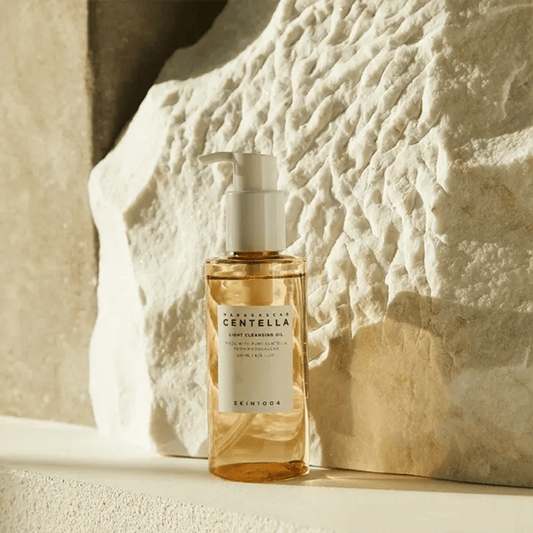
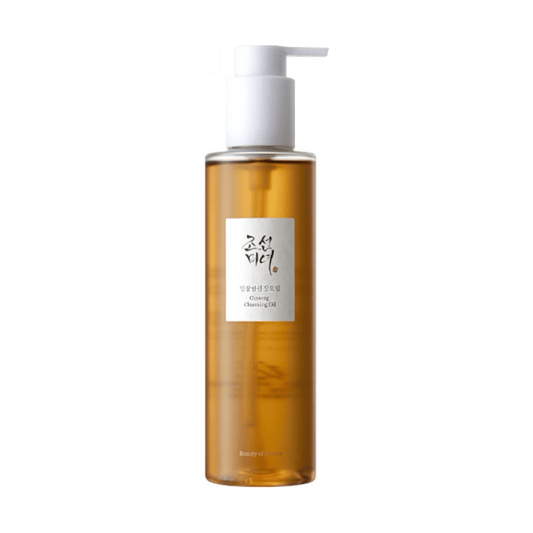
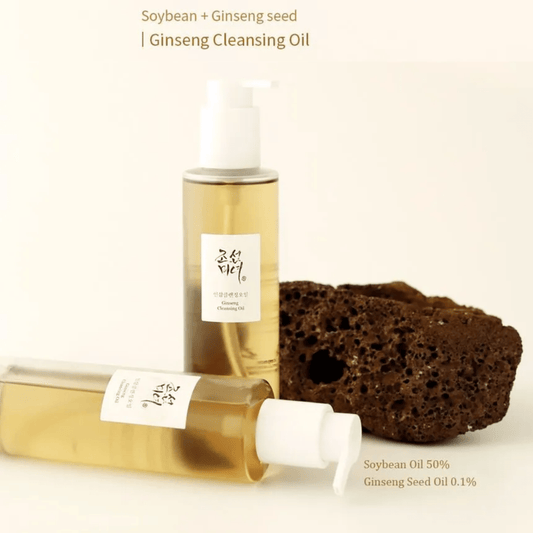

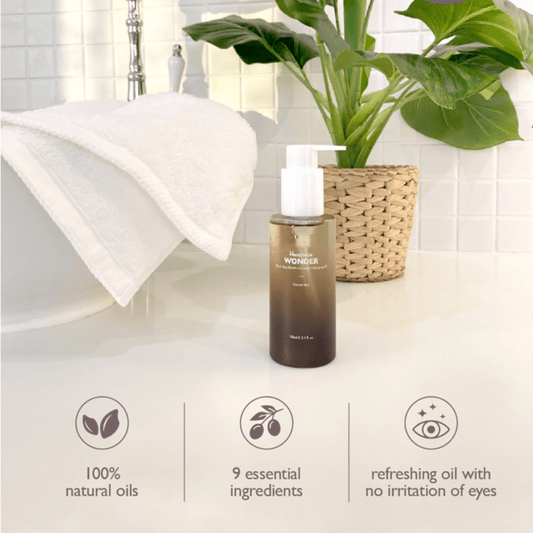
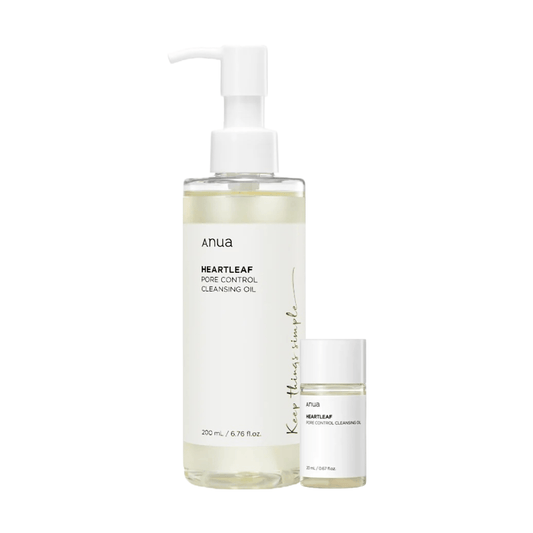
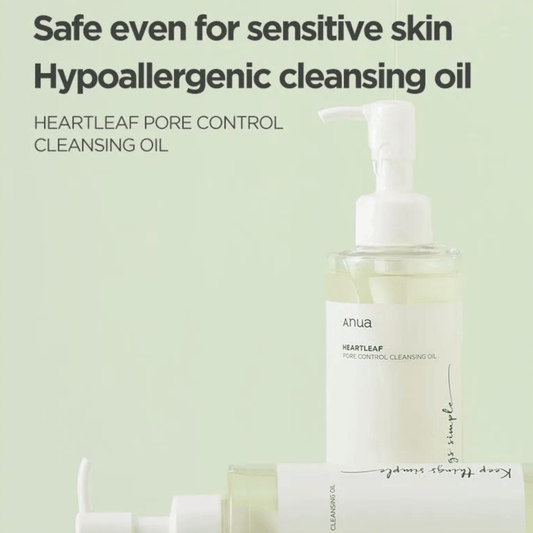





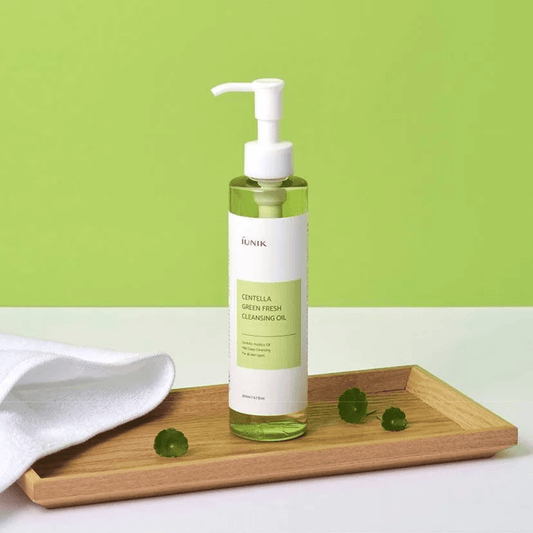

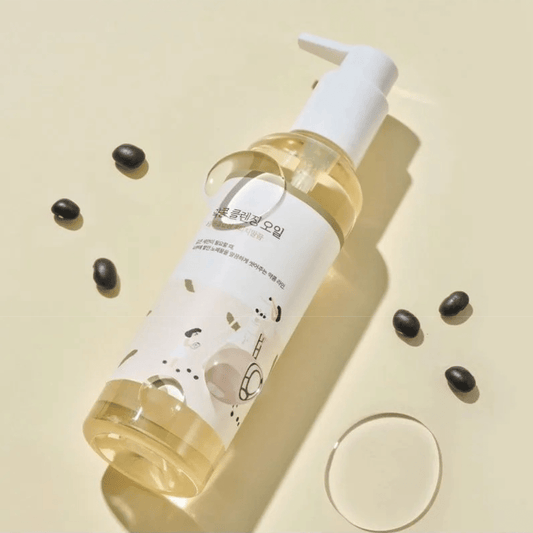

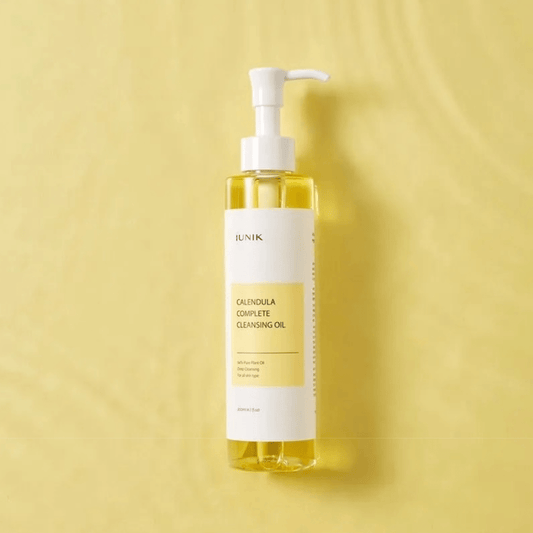

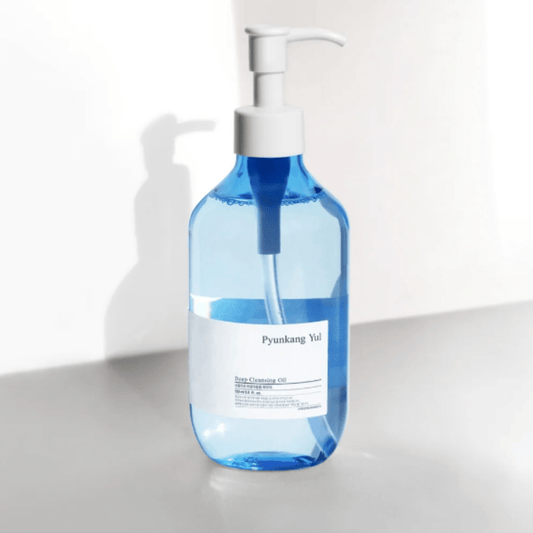

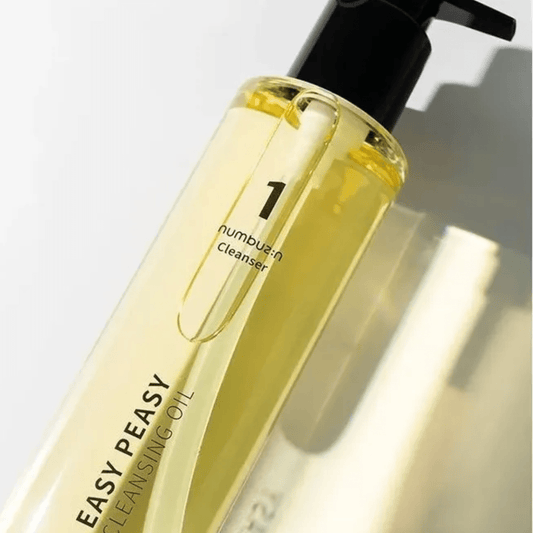

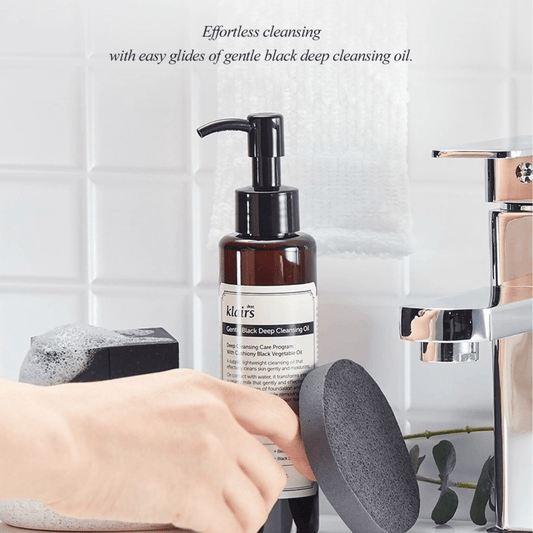

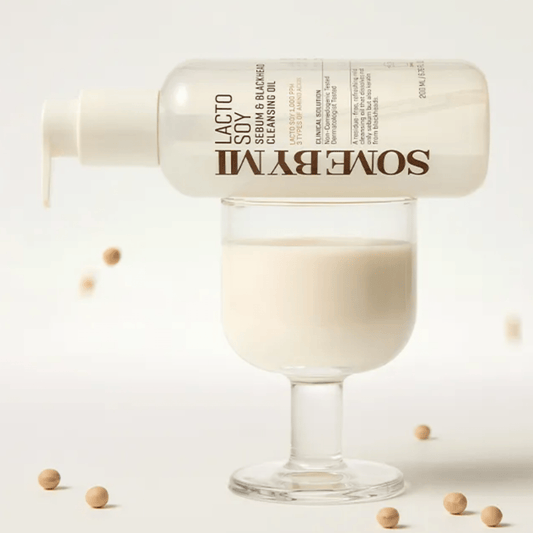

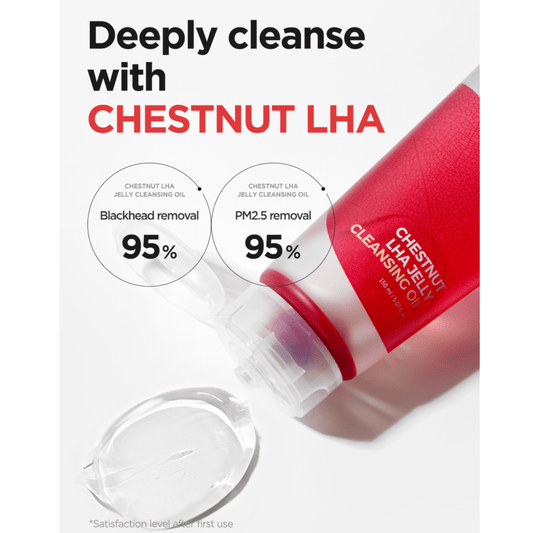

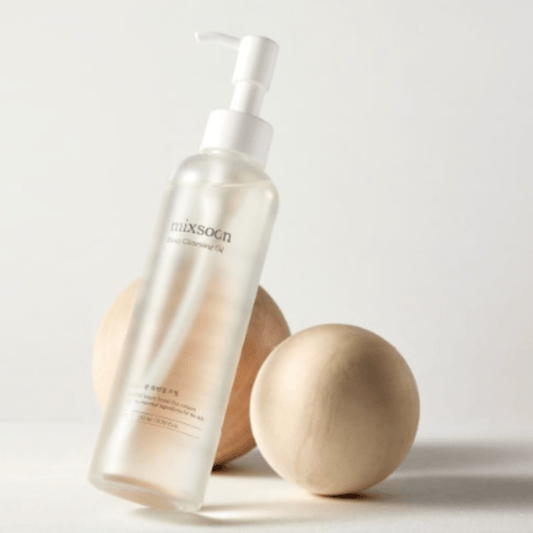
Oil-Based Cleansers are the most reliable way to remove sunscreen and makeup thoroughly. The oil base bonds to lipid-heavy products on the skin - sunscreen, foundation, mascara - and lifts them away in a way that water-based formulas simply cannot replicate. For anyone who wears SPF daily, this type of cleanser belongs at the start of the evening routine.
How They Differ from Traditional Cleansers
Traditional water-based cleansers use surfactants to lift impurities from the surface of the skin. These work well on sweat, light residue, and water-soluble products. Oil-based cleansers take a different approach - they use the principle that like dissolves like. The oil base bonds with the oils in sunscreen, makeup, and sebum, and the entire mixture emulsifies and rinses away with water. This makes them significantly more effective at removing lipid-heavy products without harsh scrubbing or repeated application.
- Water-based: lifts surface impurities and sweat
- Oil-based: dissolves SPF, makeup, and sebum
- Like-dissolves-like principle for thorough removal
- No scrubbing needed - gentle on the skin
Can Oily or Blemish-Prone Skin Use Them
Yes - and many people with oily skin find that using an oil-based cleanser actually helps reduce shine and breakouts over time. When pores are not fully cleared by a water-based cleanser, oil and product residue builds up inside them. An oil-based cleanser reaches this build-up and dissolves it. Choose lightweight, non-comedogenic formulas with oils like squalane or sunflower. Avoid formulas containing coconut oil or heavy waxes if your skin is prone to breakouts.
- Oil cleansing can reduce pore build-up over time
- Choose non-comedogenic, lightweight formulas
- Squalane and sunflower oil are safe for oily skin
- Avoid coconut oil and heavy waxes if blemish-prone
Do You Always Need a Second Cleanse
For most people wearing SPF and makeup, a second water-based cleanse is recommended after an oil cleanser. The oil step removes the bulk of what sits on the skin; the water-based step finishes the cleanse and ensures nothing is left behind. On days without SPF or makeup, a single oil-based cleanse is often sufficient - particularly for dry skin types that do not benefit from extra cleansing steps. The goal is clean, balanced skin, not the most steps possible.
- Second cleanse recommended after SPF and makeup days
- No second cleanse needed on bare-skin days
- Dry skin can often stop at one step
- Clean, balanced skin is the goal - not maximum steps
How Oil-Based Cleansers Dissolve Sunscreen
Modern sunscreens - both chemical and mineral - are formulated with oils, silicones, and emollients that help them bond to the skin and resist water. A water-based cleanser cannot effectively break these bonds, which is why residue often remains. An oil-based cleanser cuts through these formulas because its oil base is chemically compatible with the oils in sunscreen. Thorough removal of SPF is important for skin health - product build-up can interfere with the skin barrier over time.
- Sunscreens bond to skin with oils and silicones
- Water-based cleansers leave SPF residue behind
- Oil-based formulas are chemically compatible with SPF
- Full SPF removal protects long-term skin health
Explore the range and find the oil-based formula that suits your routine and preferences. A thorough first cleanse is the foundation of everything that follows in your evening routine.
