

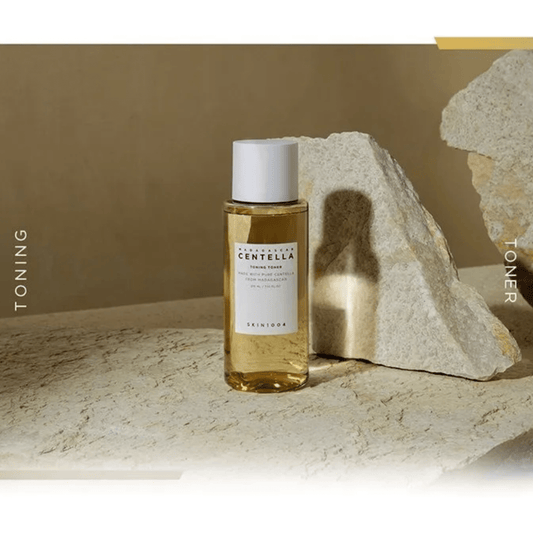
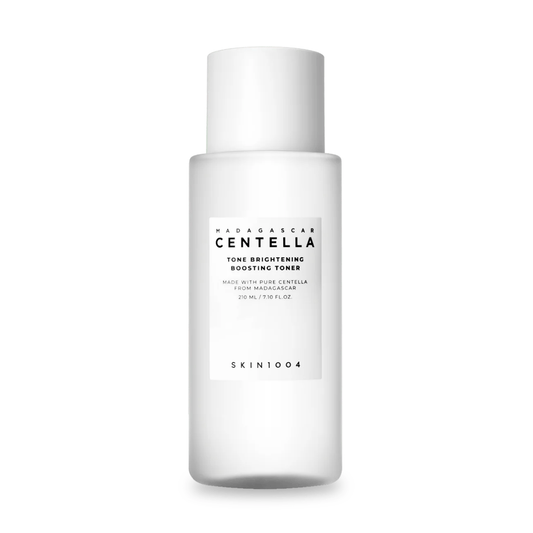
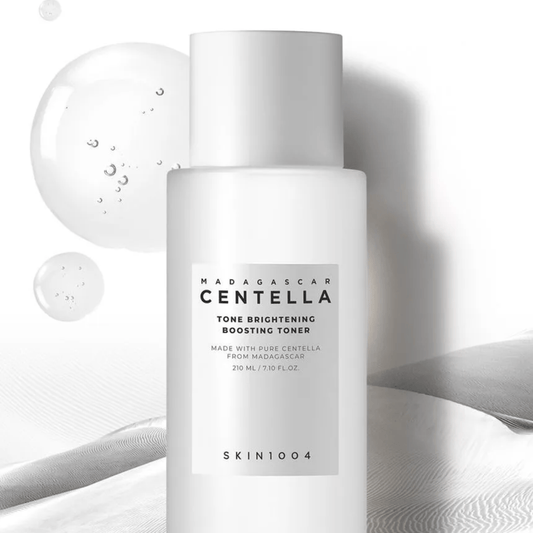

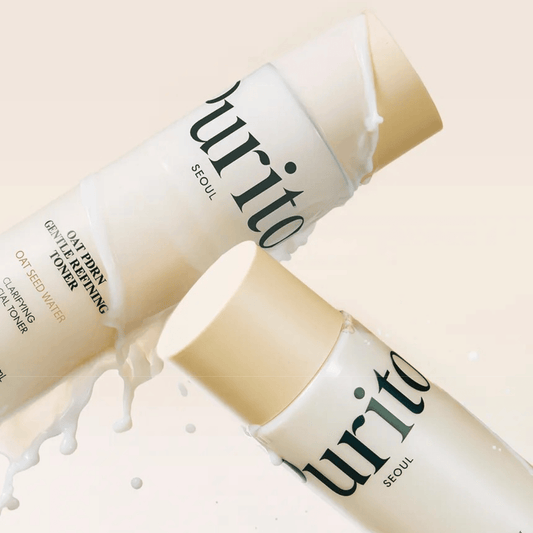

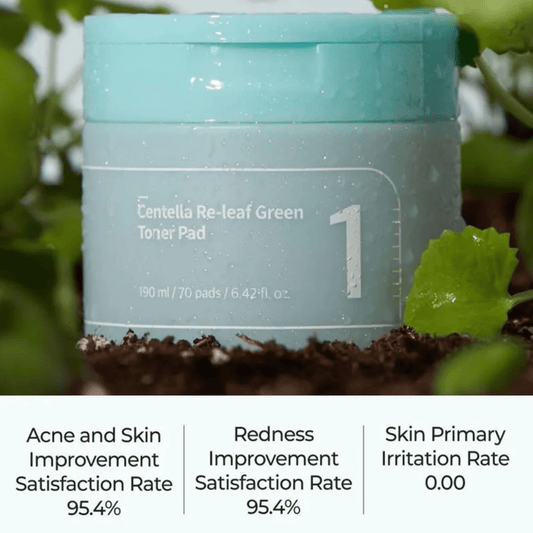



Non Comedogenic means formulated without ingredients known to clog pores. For skin that congests easily, this is one of the most important things to look for in any skincare product. Korean Toners - Non Comedogenic deliver hydration and care at the toning step without the risk of adding to the congestion that oily and blemish-prone skin already has to manage.
How to Tell if a Toner Is Non Comedogenic
Non Comedogenic is not a regulated term, no standardised testing requirement backs it up, and brands can use it freely regardless of the formula. The most reliable approach is to check the full ingredient list manually against a comedogenicity resource. Oils with high concentrations of comedogenic fatty acids are the primary concern, coconut oil, wheat germ oil, and certain plant butters consistently score high on comedogenicity scales used by dermatologists. However, comedogenicity ratings are not absolute for everyone: many people with oily skin tolerate certain higher-rated ingredients without congestion, particularly at low concentrations. The safest approach for reliably congestion-prone skin is to choose water-based toners with minimal or no oil content.
- Non Comedogenic is not a regulated or standardised label
- Check the ingredient list manually for known comedogenic oils
- Coconut oil and wheat germ oil are common pore-clogging concerns
- Water-based toners with minimal oil are safest for congested skin
What Pore-Clogging Ingredients to Avoid
The highest-risk ingredients for pore clogging in skincare include coconut oil, isopropyl myristate, isopropyl palmitate, and certain algae extracts at high concentrations, these are consistently associated with congestion in oily skin types. Silicones are frequently misunderstood in this context: dimethicone, for example, is generally considered non-comedogenic despite its smooth, somewhat occlusive feel on application. Lanolin and certain waxes are also worth checking when they appear in a formula. For toners specifically, the overall risk from pore-clogging ingredients is lower than for creams and oils because the base is water-dominant, but it is still worth verifying if congestion is a persistent, difficult-to-manage issue.
- Isopropyl myristate and palmitate are high-risk for pores
- Coconut oil is consistently comedogenic
- Dimethicone is generally non-comedogenic despite its feel
- Water-dominant toner formulas carry lower overall risk
Can a Hydrating Toner Still Be Non Comedogenic
Absolutely, and this distinction is important for anyone who has been avoiding toner out of fear of contributing to congestion. Hyaluronic acid, glycerine, niacinamide, centella asiatica, and most water-based humectants are all reliably non-comedogenic and provide deep, effective hydration without any pore-clogging risk. A toner built entirely around these ingredients hydrates the skin thoroughly and consistently without aggravating blemish-prone or congested skin types. For oily, acne-prone skin specifically, consistent hydration from a well-formulated Non Comedogenic toner is actively beneficial because it prevents the dehydration-driven overproduction of sebum that is one of the main drivers of ongoing congestion.
- Hyaluronic acid, glycerine, and niacinamide are non-comedogenic
- Water-based humectants hydrate without clogging
- Hydrating non-comedogenic toners prevent sebum rebound
- Oily, blemish-prone skin benefits from consistent hydration
Take a look at the full collection above. Every toner here is chosen so that pore health stays a priority, hydration without congestion, every day.