


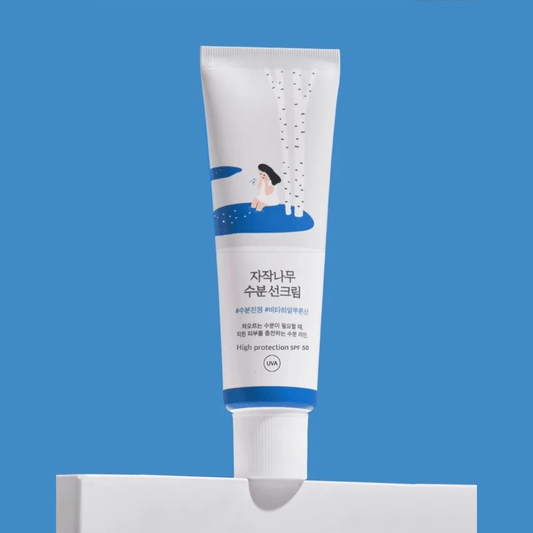

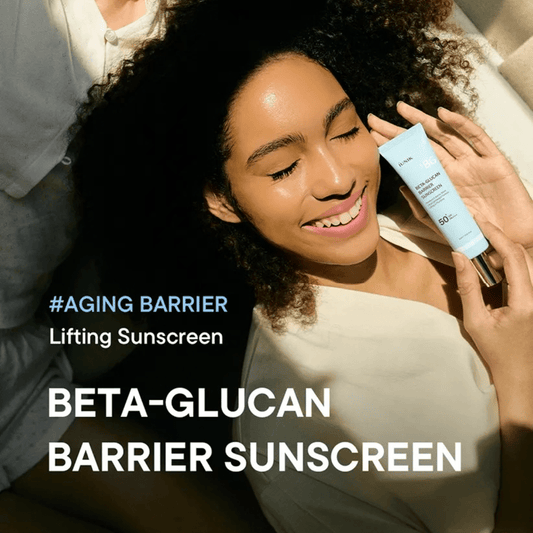
Korean Sunscreens for Anti-Inflammatory address a fundamental challenge for reactive skin, finding a daily sunscreen formula that protects without provocation. Skin prone to inflammation needs UV defence (UV exposure triggers and worsens inflammatory responses) and it needs that defence delivered in a formula that does not itself contribute to the problem.
Why UV Protection Matters for Inflammatory Skin
UV exposure is a direct trigger for skin inflammation. It causes blood vessel dilation, activates inflammatory cytokines, and generates free radicals that damage skin cells and worsen the inflammatory cycle. For skin that is already prone to redness, reactivity, or chronic irritation, daily UV exposure without adequate protection accelerates the problem. A broad-spectrum sunscreen rated SPF 50 PA++++ limits both UVB and UVA exposure, both of which contribute to inflammatory responses in the skin.
- UV triggers blood vessel dilation and inflammatory cytokine release
- PA++++ blocks the UVA wavelengths that drive chronic inflammation
- SPF 50 limits UVB exposure that worsens surface irritation
- Consistent daily use reduces cumulative UV-triggered inflammation
Calming Ingredients Alongside UV Filters
The best Korean sunscreens for anti-inflammatory skin combine gentle UV filters with proven calming actives. Centella asiatica is the cornerstone K-beauty anti-inflammatory ingredient, its madecassoside compound inhibits pro-inflammatory pathways at the cellular level. Allantoin calms nerve sensitivity and surface irritation. Panthenol supports the barrier to keep triggers out. Beta-glucan provides deeply calming hydration. These ingredients together create a formula that reduces the skin's reactivity throughout the day rather than just at the moment of application.
- Centella madecassoside inhibits pro-inflammatory cellular pathways
- Allantoin calms nerve sensitivity and surface irritation
- Panthenol supports barrier integrity against daily triggers
- Beta-glucan provides calming, deep hydration throughout the day
Choosing and Using Anti-Inflammatory Sunscreen
For the most reactive skin, mineral UV filters are the starting point, zinc oxide's non-absorbing mechanism and mild anti-inflammatory properties make it the safest choice when chemical filters are uncertain. Fragrance-free formulas are essential, fragrance is one of the most common skincare inflammatory triggers. Korean Sunscreens for Anti-Inflammatory apply as the final morning step with gentle pressing rather than rubbing to minimise friction on reactive skin. Keep the rest of the morning routine minimal: cleanser, soothing moisturiser, and this sunscreen as three products is a reliable starting point.
- Mineral filters are the safest starting choice for highly reactive skin
- Fragrance-free formulas avoid one of the most common triggers
- Apply with gentle pressing to minimise friction on inflamed skin
- Keep morning routine minimal to reduce cumulative trigger exposure
Long-Term Anti-Inflammatory Results with Daily SPF
Consistent daily use of an anti-inflammatory Korean sunscreen builds a meaningful result over time. Each morning application removes the UV trigger from the skin's daily inflammatory load while the calming ingredients work to reduce the skin's baseline reactivity. Over four to eight weeks, many people with chronically reactive skin notice that the baseline redness and irritation reduces, the skin is less responsive to minor triggers, and the overall inflammatory state becomes less persistent. This is the compound result of both UV protection and consistent anti-inflammatory ingredient exposure working together every day.
- Daily UV protection removes one of the most consistent inflammatory triggers
- Calming actives reduce the skin's baseline reactivity over time
- Baseline redness and irritation may reduce over four to eight weeks
- UV protection and calming actives compound for greater effect together
Browse Korean Sunscreens for Anti-Inflammatory above and find the formula that protects your reactive skin while helping keep it calm throughout the day.