
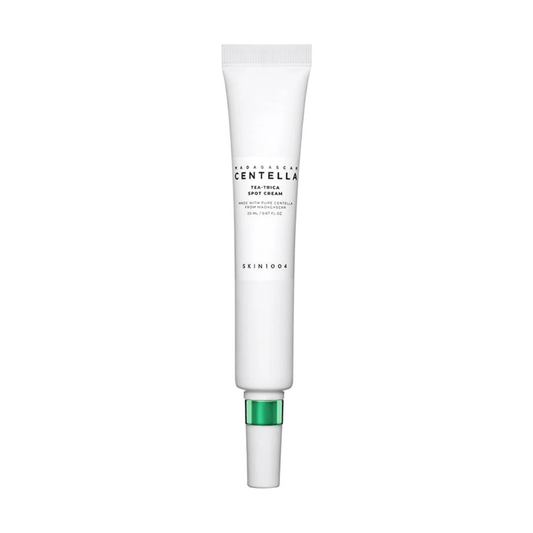


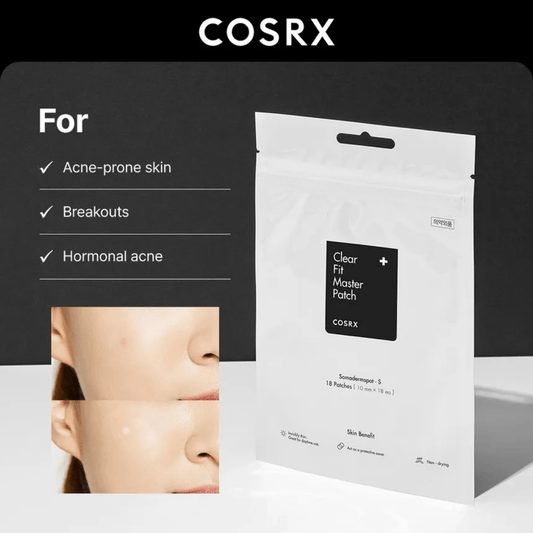


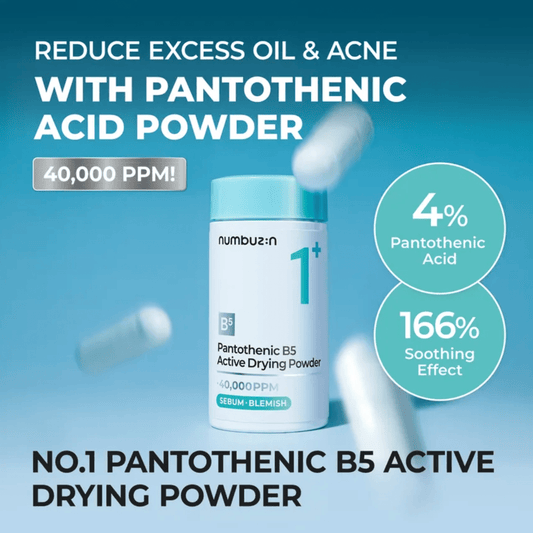

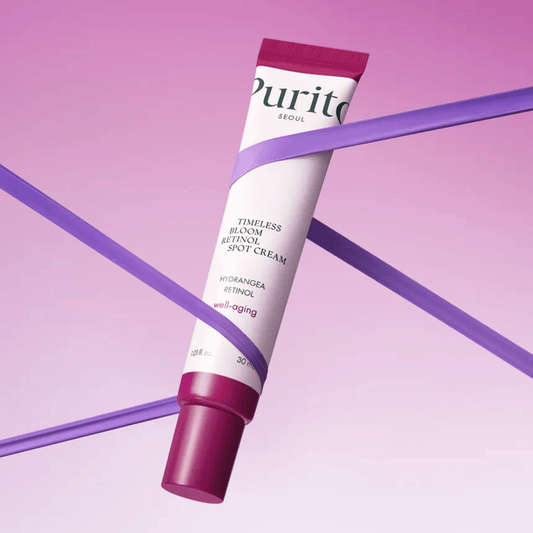

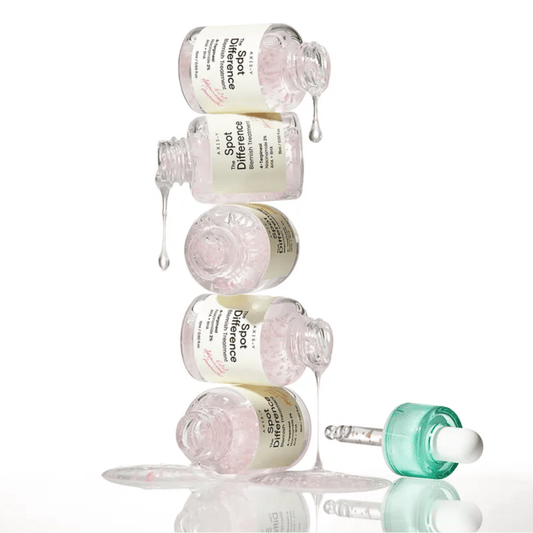


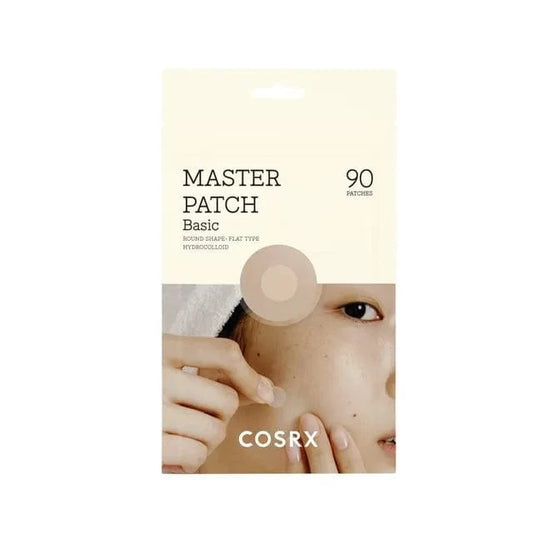


Korean Spot Treatments for Sensitive Skin clear blemishes without triggering the redness and irritation that harsh treatments cause. These formulas rely on gentle, well-tolerated actives rather than high-strength chemistry, making them suitable for skin that reacts easily.
Why Sensitive Skin Needs a Different Approach
Standard acne treatments often contain concentrations of salicylic acid, benzoyl peroxide, or alcohol that overwhelm reactive skin. The barrier in sensitive skin is thinner and less able to cope with strong actives, meaning treatments can cause stinging, peeling, and prolonged redness. Korean formulas for sensitive skin use lower-concentration actives or rely on gentler compounds such as centella, zinc PCA, and willow bark, that reduce blemishes without stripping the barrier. This approach takes a little longer but avoids the reactive cycle that harsh treatments often trigger.
- Lower-concentration actives for reduced irritation
- Barrier-protecting ingredients alongside blemish care
- Avoid alcohol, fragrance, and high-strength exfoliants
Ingredients to Look for in Sensitive-Skin Spot Treatments
Centella asiatica is the most reliable soothing active in Korean spot treatments. Its compounds, madecassoside, asiaticoside, and asiatic acid, directly calm the inflammatory response and support tissue repair. Zinc PCA reduces sebum production and has mild antimicrobial properties without causing dryness. Willow bark is a natural source of beta-hydroxy compounds that gently exfoliate inside pores without the intensity of synthetic salicylic acid. Panthenol and allantoin reinforce the barrier and improve comfort during treatment.
- Centella asiatica for calming inflammation
- Zinc PCA for gentle sebum regulation
- Panthenol and allantoin for barrier support
How to Introduce a New Spot Treatment Safely
Before applying any new spot treatment to your face, patch test on the inner arm for 24 to 48 hours. If no reaction occurs, apply a small amount to a single blemish for several days before using it across the face. Introduce one new product at a time so that if irritation occurs, the cause is easy to identify. Avoid applying spot treatments on top of broken or weeping skin, and do not combine multiple actives on sensitive areas without allowing recovery time between applications.
- Patch test for 24-48 hours before use
- Introduce to one area before applying broadly
- Avoid layering multiple actives on reactive skin
Building a Gentle Blemish Routine
A complete routine for sensitive blemish-prone skin uses few, well-chosen steps. A mild gel or cream cleanser removes impurities without disrupting the barrier. A fragrance-free hydrating toner restores moisture after cleansing. The spot treatment goes on next, applied only to affected areas. A light, non-comedogenic moisturiser seals everything in. SPF is essential in the morning, especially when using actives that increase photosensitivity. Keeping the routine short and consistent reduces the variables that could trigger a reaction.
- Use a mild, fragrance-free cleanser
- Keep the routine short to reduce reactive risk
- Always use SPF when applying actives
What Results to Expect
Sensitive skin typically sees a calmer, less red blemish area within 24 to 48 hours of starting a centella or zinc-based spot treatment. Full healing takes longer than with aggressive treatments because the approach prioritises the skin's comfort over speed, but the end result is a cleaner resolution with fewer post-blemish marks. After four to six weeks of consistent, gentle spot treatment care, most sensitive skin types experience fewer new breakouts and a more stable overall complexion.
- Calmer redness within 24-48 hours
- Cleaner healing with fewer post-blemish marks
- Fewer new breakouts at 4-6 weeks of consistent use
- Stable complexion improves with sustained gentle care
Explore our Korean Spot Treatments for Sensitive Skin and find formulas your skin can tolerate and trust.