


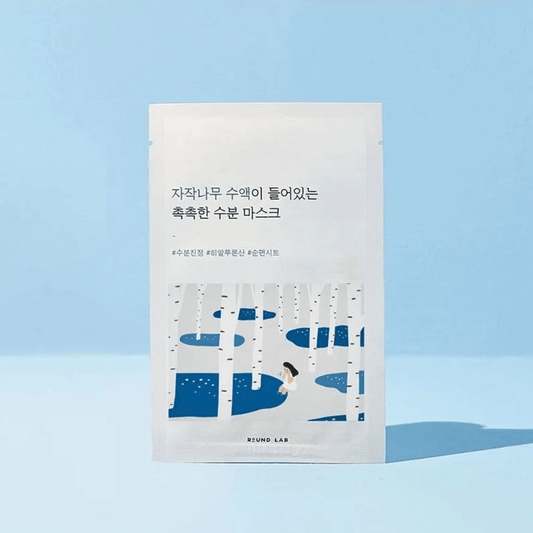

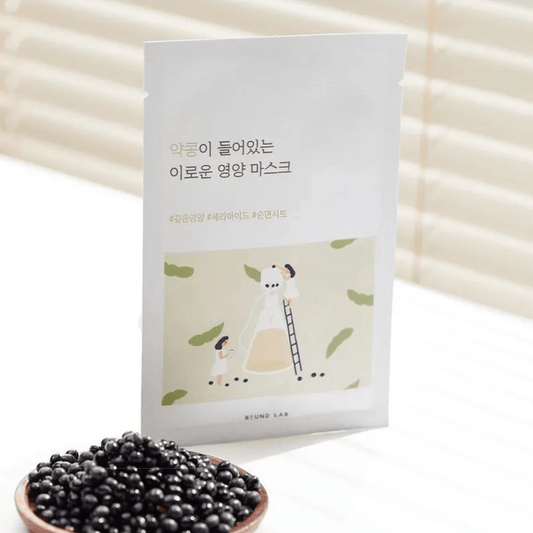

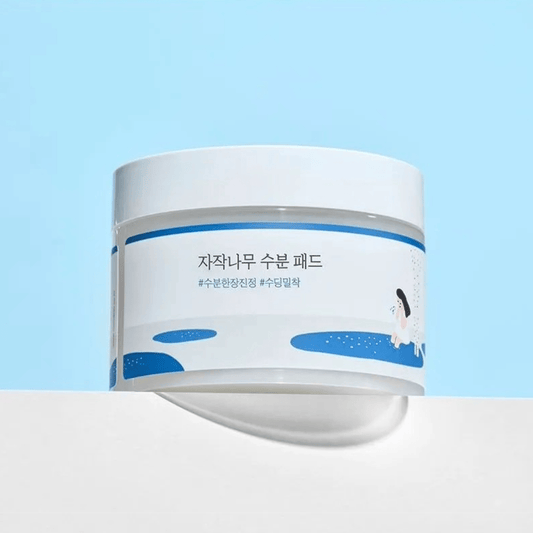

Korean Sheet Masks with Allantoin sit quietly in the background of Korean skincare formulation, doing a job that is easy to overlook until you notice how much calmer your skin feels after using one. Allantoin is not a trendy ingredient. It has been used in cosmetics for decades, and its safety and tolerability record is exceptional. In a sheet mask, concentrated allantoin has extended contact time with the skin, which is when it delivers the most benefit.
What Allantoin Does in Skincare
Allantoin is a compound originally found in the comfrey plant. It works as a skin protectant by forming a complex with irritant substances, effectively neutralising them before they can cause a reaction. It also promotes cell proliferation, which means it supports gentle recovery in damaged or irritated skin. At higher concentrations it has mild keratolytic properties, meaning it gently softens dead skin cell build-up. In sheet masks, concentrations are gentle and focused entirely on soothing and protecting.
- Complexes with irritants to neutralise them
- Promotes skin cell renewal and recovery
- Gently softens dead skin cell build-up
- One of the safest soothing actives available
How Allantoin Works Alongside Other Calming Ingredients
In Korean sheet mask formulations, allantoin rarely works alone. It is most effective when combined with centella asiatica, panthenol, and beta glucan. Centella reduces the inflammatory signals that trigger redness. Panthenol supports the barrier while allantoin works on the surface. Beta glucan provides the deep hydration that a compromised skin barrier needs to function. Allantoin anchors the formula by protecting skin cells from whatever is aggravating them in the first place.
- Pairs with centella for anti-inflammatory support
- Complements panthenol for barrier recovery
- Beta glucan adds deep hydration to the formula
- Anchors the calming action across the full formula
Which Skin Types Benefit Most
Allantoin is suitable for every skin type, but it is most valuable for sensitive, reactive, and barrier-damaged skin. Skin recovering from over-exfoliation benefits from allantoin protection while new cells come to the surface. Post-procedure skin, whether after a facial or after a product reaction, uses allantoin to support faster, calmer recovery. Dry, flaky skin benefits from the gentle cell-softening action that makes dead skin easier to shed without irritation.
- Sensitive and reactive skin for ongoing protection
- Barrier-damaged skin during recovery
- Post-procedure or post-reaction skin
- Dry, flaky skin for gentle cell-softening
Routine Placement
Use an allantoin sheet mask after toning, at any point in the week when your skin needs extra soothing. Leave on for fifteen to twenty minutes, pat in the remaining serum, and follow with a plain moisturiser. No need to avoid other products on allantoin mask days, as allantoin has no known conflicts with any common skincare actives. It is one of the few soothing ingredients you can layer alongside almost anything.
- After toner, any day in the week
- No conflicts with other skincare actives
- Fifteen to twenty minutes wear time
- Follow with any plain moisturiser
Find your allantoin sheet mask in the collection above. Calm, quiet, reliable care for any skin that needs a steady hand.