







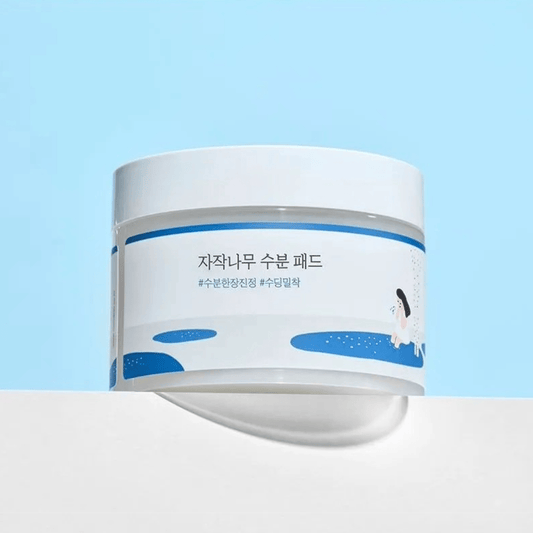

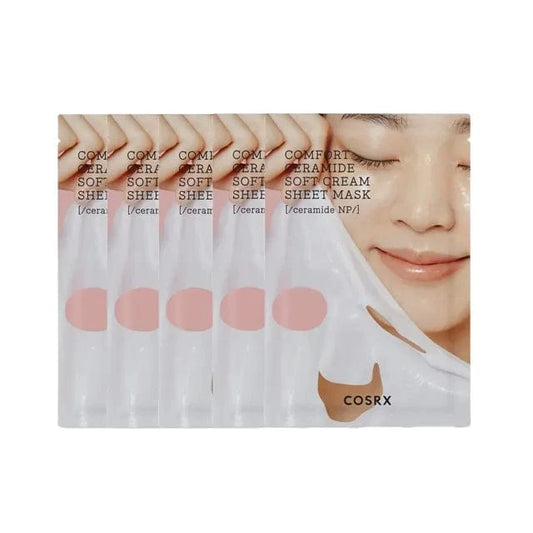


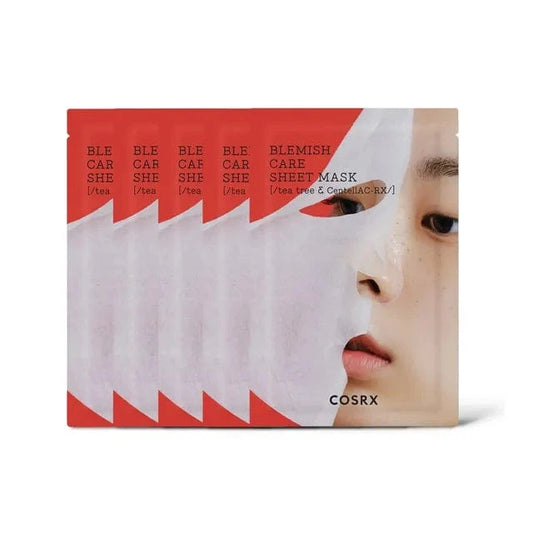
Korean Sheet Masks for Texture-Smoothing offer a gentler route to refined skin than the acid-heavy, scrub-based approach that Western routines often favour. K-beauty understands that the smoothest skin is also the most hydrated skin: when the surface is plumped and nourished, it reflects light evenly and feels softer to the touch. Texture improvement is a two-step process in Korean skincare: gentle exfoliation to clear dead cells, and hydration to fill the surface so it looks and feels smooth.
What Causes Rough Skin Texture
Rough texture comes from dead skin cells that are not shedding properly. Slow cell turnover, whether from ageing, dehydration, or sun damage, means old cells build up on the surface too long. Clogged pores create tiny bumps. Dehydration makes the surface uneven and papery. A sheet mask that combines gentle chemical exfoliation with intense hydration addresses all these factors in a single fifteen-minute session, making it more efficient than using a separate exfoliant and moisturiser on different days.
- Dead cell build-up from slow cell turnover
- Clogged pores create bumps and unevenness
- Dehydration makes the surface papery
- Sheet mask addresses all factors in one session
Texture-Smoothing Ingredients in Korean Masks
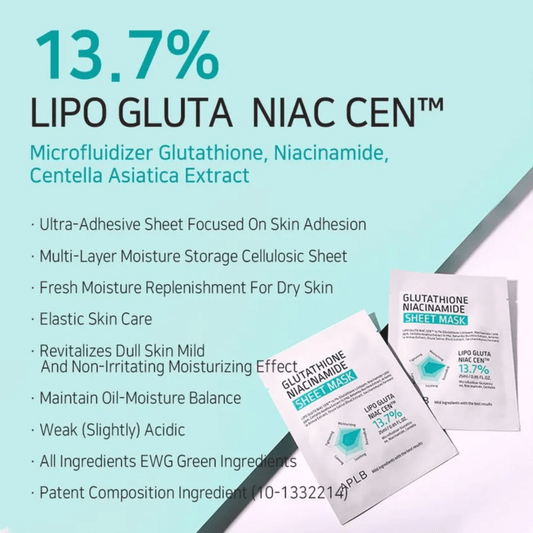
Niacinamide is the most valuable non-exfoliating texture ingredient in Korean sheet masks. At five percent concentration, it regulates sebum production to reduce the clogged pores that cause bumpy texture, while also brightening post-texture marks. Low-concentration AHAs (lactic acid, mandelic acid) gently dissolve bonds between dead cells without stripping. Beta glucan and hyaluronic acid plump the surface after exfoliation so the smoothing effect is immediately visible rather than waiting for the skin to recover.
- Niacinamide for sebum regulation and pore clearing
- Low-concentration AHAs for gentle dead cell removal
- Hyaluronic acid to plump after exfoliation
- Beta glucan for calming alongside smoothing
How Sheet Masks Compare to Acid Toners
Exfoliating sheet masks deliver lower concentrations of acids in a hydrating, calming serum, which makes them gentler than standalone acid toners. The buffering effect of the other ingredients in the serum, particularly humectants and soothing actives, reduces the risk of irritation while still allowing the exfoliating action to take place. For sensitive skin with rough texture, an exfoliating sheet mask is often more comfortable and better tolerated than a dedicated exfoliating toner.
- Lower acid concentration than standalone toners
- Buffered by hydrating and calming ingredients
- Less irritation risk for sensitive, textured skin
- Good starting point before building to acid toners
How Often to Use for Texture Improvement
For texture improvement, use a smoothing sheet mask one to two times per week. Using one more frequently than this is unnecessary and may cause over-exfoliation if the mask contains acids. On non-mask days, keep the routine hydrating and gentle. Results appear gradually over four to six weeks of consistent use. Apply SPF every morning, as the mild exfoliation in these masks can increase sun sensitivity slightly during regular use.
- One to two times per week for best results
- Avoid over-exfoliation with more frequent use
- Visible improvement over four to six weeks
- Daily SPF is important during regular use
Find the right texture-smoothing mask for your skin in the collection above. Softer, more refined skin is a few weeks of consistent care away.