


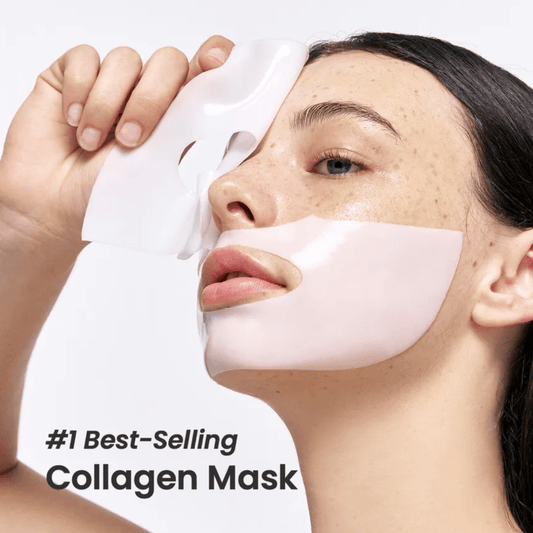

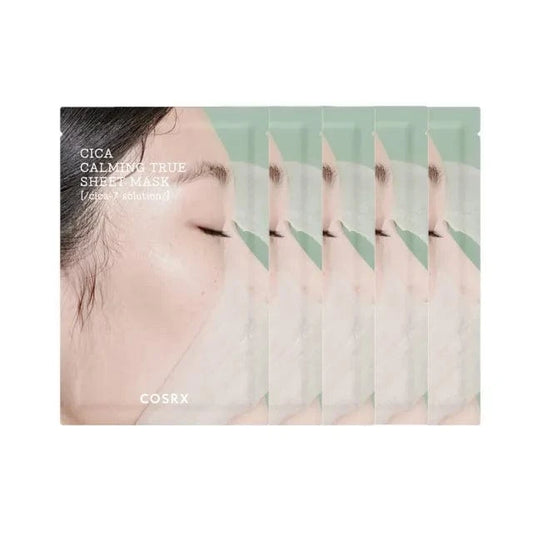

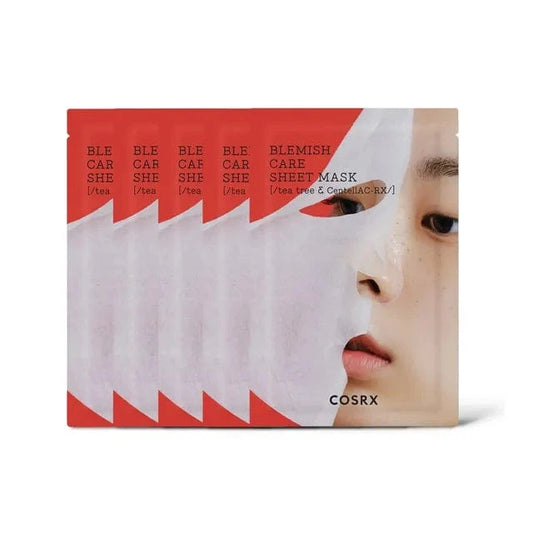
Korean Sheet Masks for Pigmentation bring the brightening expertise that defines K-beauty into a single-use, concentrated format. Korean skincare has always placed even, luminous skin at the centre of its philosophy, and the approach is gentle rather than aggressive: inhibiting melanin production gradually, supporting cell turnover, and protecting the skin from further UV-triggered damage, all at the same time.
What Causes Pigmentation
Melanocytes produce melanin, the pigment that gives skin its colour. When triggered by UV exposure, inflammation, or hormonal changes, they can overproduce melanin in certain areas, creating dark spots or patches. Sun damage is the most common trigger. Post-inflammatory hyperpigmentation happens when the inflammation from a breakout or reaction triggers excess melanin production in the surrounding skin cells. Both types respond to consistent brightening care.
- UV exposure triggers excess melanin in sun spots
- Inflammation triggers post-blemish pigmentation
- Hormonal changes can drive patchy melasma
- All types respond to consistent brightening actives
Key Brightening Ingredients for Pigmentation
Niacinamide inhibits the transfer of melanin from melanocytes to skin cells, preventing new pigmentation from becoming visible. This mechanism makes it effective for both sun spots and post-blemish marks. Licorice root glabridin inhibits the enzyme that produces melanin in the first place. Vitamin C derivatives provide antioxidant protection against UV-triggered melanin activation alongside their brightening effect. Tranexamic acid, increasingly popular in K-beauty, helps address melasma-type pigmentation gently.
- Niacinamide inhibits melanin transfer to skin cells
- Licorice glabridin inhibits melanin production enzyme
- Vitamin C derivatives for antioxidant and brightening
- Tranexamic acid for melasma-type concerns
How Long Pigmentation Treatment Takes
Pigmentation sits deep in the skin and takes time to fade as cell turnover brings fresh, less-pigmented cells to the surface. Most people see visible improvement in post-blemish marks within six to eight weeks of consistent use. Sun spots and more established pigmentation may take ten to twelve weeks or longer. The most important factor is pairing brightening sheet mask sessions with daily SPF 50 use, because without protection, new sun-triggered melanin production undoes any brightening progress made in the evening.
- Post-blemish marks improve in six to eight weeks
- Sun spots and established pigmentation take longer
- Daily SPF 50 is essential for any progress
- Cell turnover carries visible improvement to the surface
Building a Pigmentation Routine
Use a brightening sheet mask one to two times per week in the evening. Morning: apply a vitamin C serum, then moisturiser, then SPF 50. Evening on non-mask days: cleanser, niacinamide serum, moisturiser. Consistency across both the mask sessions and the daily protective routine is what delivers results. Any breaks in SPF use can set the process back by weeks, particularly in summer months when UV is strongest.
- One to two mask sessions per week in the evening
- Morning vitamin C and SPF 50 every day
- Niacinamide serum on non-mask evenings
- Consistency in SPF use is non-negotiable
Skin Types and Cautions
All skin types experience pigmentation and can use brightening sheet masks. Sensitive skin should check that the formula is fragrance-free and that any vitamin C is in a stable, lower-irritancy derivative form rather than straight L-ascorbic acid. Darker skin tones need to approach brightening actives carefully: post-inflammatory hyperpigmentation can be more pronounced and slower to fade, and over-stimulating the skin with aggressive actives can worsen it. The gentle, consistent approach of Korean brightening masks is well-suited to all tones precisely because it avoids the irritation that can trigger further melanin overproduction.
- Sensitive skin: choose fragrance-free and gentle vitamin C derivatives
- Darker skin tones: avoid harsh actives that trigger further inflammation
- Korean gentle approach suits all skin tones
- Avoid anything that causes irritation during pigmentation treatment
Find your pigmentation-targeting sheet mask in the collection above. Gentle, consistent brightening for a clearer, more even complexion.