

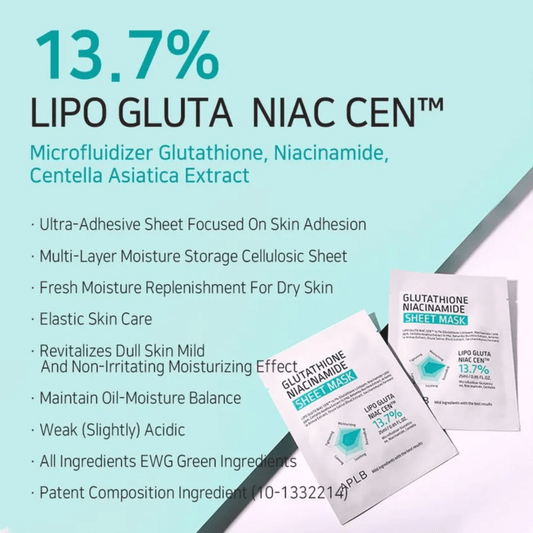


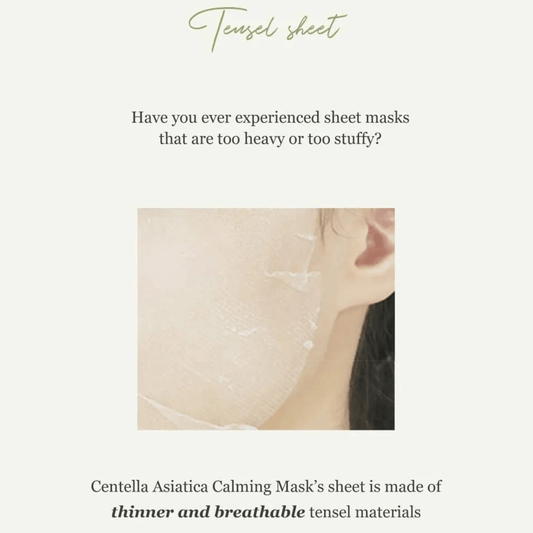


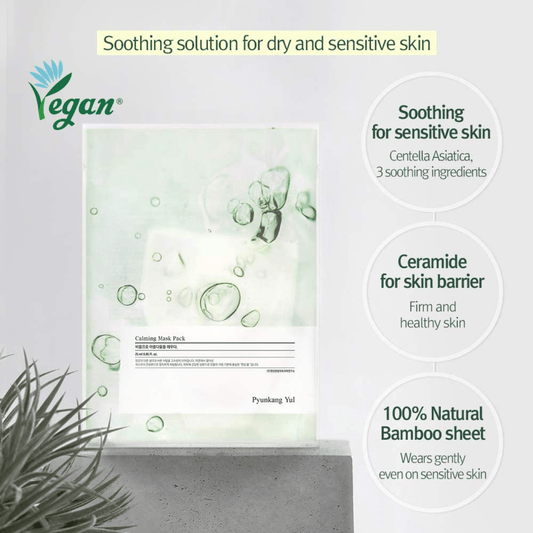


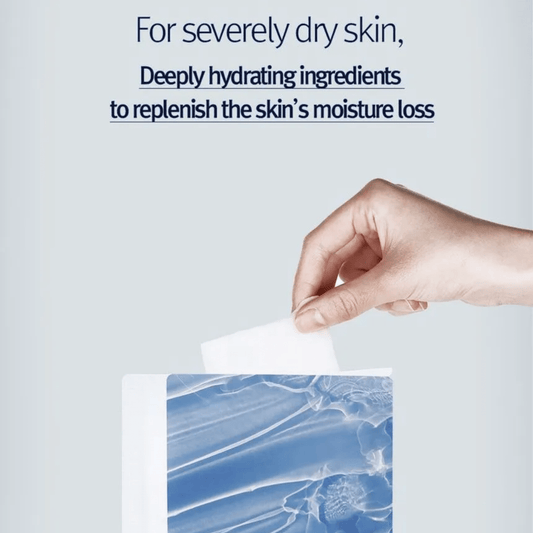


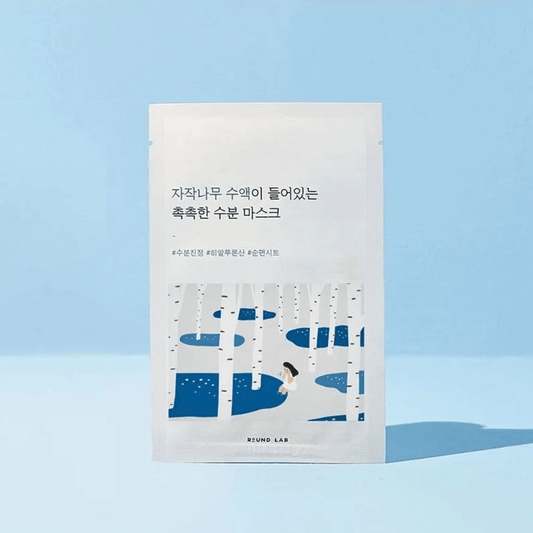
Korean Sheet Masks and Face Masks represent two distinct approaches to at-home skin treatment. Sheet masks are leave-on, single-use, and work by keeping a concentrated serum pressed against the skin for fifteen to twenty minutes. Wash-off face masks are applied in a thicker layer, left for ten to twenty minutes, and then rinsed away. Each format has its strengths, and many K-beauty routines use both at different points in the week.
Sheet Masks vs Wash-Off Face Masks
Sheet masks deliver serum under occlusion, which means the sheet creates a barrier that stops the serum from evaporating. This increases how much product the skin absorbs. Wash-off masks work differently: they apply a fresh dose of actives and rinse clean, leaving no residue. Clay and rubber wash-off masks draw out excess oil and impurities. Cream wash-off masks nourish in a concentrated dose and rinse away feeling clean rather than stripped.
- Sheet masks use occlusion for deep absorption
- Wash-off masks apply fresh actives then rinse clean
- Clay wash-off masks draw out excess oil
- Cream wash-off masks nourish without residue
Korean Face Mask Formats
K-beauty offers many face mask types beyond the standard sheet mask. Rubber masks are powder-based products mixed with water and applied in a thick layer that sets firm. They deliver intense hydration and create a strong occlusive seal. Sleeping masks are left on overnight and absorbed gradually while you sleep. Bubble masks fizz on contact with air, loosening impurities and creating a foamy texture that rinses away easily.
- Rubber masks for intense occlusive hydration
- Sleeping masks for overnight nourishment
- Bubble masks for pore-loosening cleansing
- Sheet masks for targeted leave-on treatment
How Often to Mask
Sheet masks work well two to three times a week. Wash-off masks, depending on their strength, suit once or twice a week. Sleeping masks can be used two to three times a week in place of a regular moisturiser. Using the same format every day is generally not necessary and can overload skin with product. Rotating between a hydrating sheet mask and a wash-off treatment mask across the week gives the most variety of benefit.
- Sheet masks two to three times per week
- Wash-off masks once or twice per week
- Sleeping masks two to three times per week
- Rotate formats for broader skin benefits
Choosing the Right Mask for Your Skin
Start with your skin concern. Dryness and dehydration respond best to hydrating sheet masks and sleeping masks. Oiliness and breakouts benefit from clay or charcoal wash-off masks. Dullness responds well to brightening sheet masks or gentle peeling sleeping masks used carefully. Sensitive skin does best with calming, fragrance-free sheet masks and gentle cream wash-off masks that avoid strong actives.
- Dry or dehydrated skin: hydrating sheet or sleeping mask
- Oily or breakout-prone: clay or charcoal wash-off mask
- Dull skin: brightening sheet or gentle peel sleeping mask
- Sensitive skin: calming, fragrance-free sheet mask
Where Masks Fit in the Routine
Sheet masks sit after toner and before serum and moisturiser. Apply a sheet mask after your second cleanse and toner, wear for fifteen to twenty minutes, then pat the remaining serum into the skin and follow with the rest of the routine. Wash-off masks replace a cleanse step or sit after cleansing as a secondary cleansing treatment. Sleeping masks replace the moisturiser as the final step on masking nights. Understanding where each format sits in the routine makes it easier to build a consistent and effective weekly mask habit.
- Sheet masks: after toner, before serum and moisturiser
- Wash-off masks: after cleansing as a treatment step
- Sleeping masks: replace moisturiser as the final step
- Know where each format sits to build a consistent habit
Explore the full collection above and find the mask format that fits your skin and your week.