

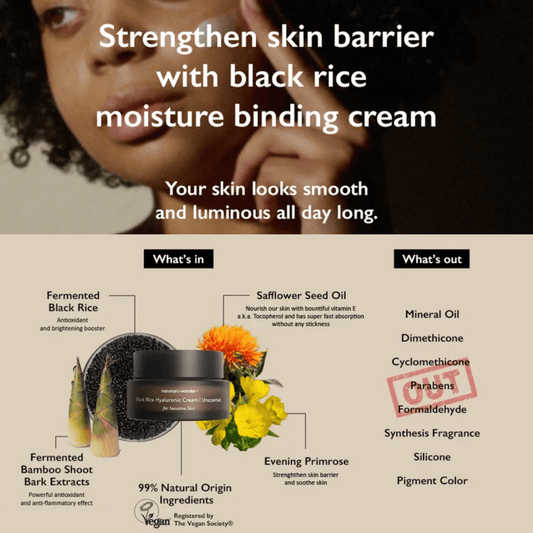










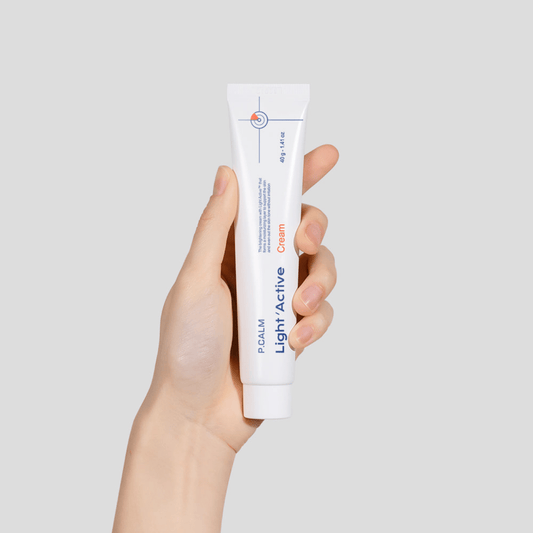
Korean Moisturisers for Rough Texture are for skin that feels uneven, bumpy, or persistently coarse despite regular moisturising. Rough Texture is a common concern that often improves significantly with the right combination of hydration and gentle surface renewal, without harsh ingredients or aggressive routines.
What Causes Rough Texture on the Skin
Rough Texture develops when dead skin cells accumulate on the surface faster than they shed naturally. This is made worse by dehydration: when surface cells lack moisture, they become rigid and irregular rather than soft and flat. Environmental factors like cold air, hard water, and sun exposure all contribute. Some skin types, particularly those prone to keratosis pilaris or post-breakout scarring, have a structural tendency toward roughness that requires targeted, consistent care. A moisturiser designed for Rough Texture addresses both the moisture deficit and the surface cell build-up in a single step. Rough texture has multiple causes, dead cell accumulation from slow turnover, dehydration that causes cells to stack and shrink, and loss of natural moisturising factors, a moisturiser that addresses all three provides more complete smoothing than one targeting a single mechanism.
- Build-up of dead surface cells
- Dehydration making surface cells rigid
- Environmental exposure worsening roughness
- Structural tendencies like keratosis pilaris
What Ingredients Smooth Rough Texture
PHAs (polyhydroxy acids), including gluconolactone and lactobionic acid, gently dissolve the bonds that hold dead skin cells on the surface, encouraging natural shedding without the irritation of stronger acids. Niacinamide brightens surface tone while helping to regulate the processes that lead to texture build-up. Urea, used in some Korean moisturisers at gentle concentrations, acts as both a humectant and a mild keratolytic, softening and smoothing rough patches effectively. Panthenol and ceramides support the barrier while the exfoliating ingredients do their work. Exfoliating actives like AHAs and PHAs remove the surface layer of dead cells that create roughness, while humectants and occlusives maintain the hydration of newly exposed skin, the combination is more effective and better tolerated than exfoliation alone.
- PHAs for gentle surface cell dissolution
- Niacinamide to brighten and regulate
- Urea to soften rough patches
- Panthenol and ceramides for barrier support
Exfoliation or Moisturiser: What to Prioritise
Both have a role, but the order matters. Exfoliating too aggressively on skin with Rough Texture can worsen it, stripping the surface and triggering more dryness and flaking. A Rough Texture moisturiser with PHA or niacinamide is a gentler first step, used daily, that gradually improves the surface without the risk of over-exfoliation. If you want to add a separate exfoliant, use it two to three times a week after your skin has adjusted to the moisturiser. Always follow exfoliation with your Rough Texture moisturiser to restore moisture and protect the newly renewed surface. For most rough texture concerns, moisturising should come first to rule out dehydration as the cause, dehydration-related roughness resolves with consistent hydration alone, while persistent rough texture after four weeks of hydration indicates a turnover issue that benefits from gentle exfoliation.
- Start with a texture-smoothing moisturiser daily
- Add separate exfoliation two to three times a week
- Always moisturise after exfoliating
- Avoid daily strong exfoliation on rough, dry skin
Browse the collection above and find the formula that gives your skin the steady, gentle smoothing it needs. Rough Texture responds well. You will feel the difference within weeks.