
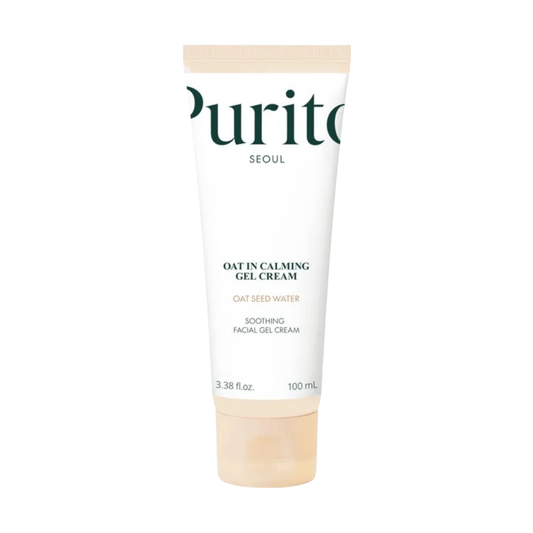
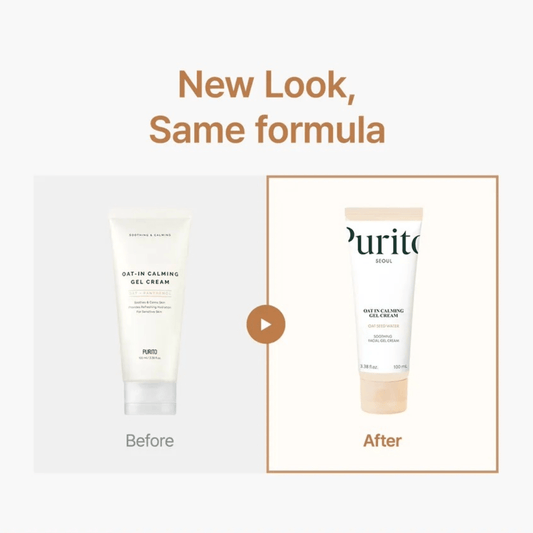
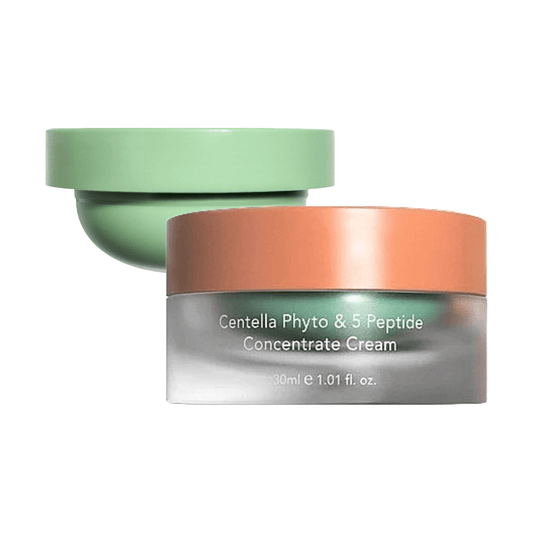
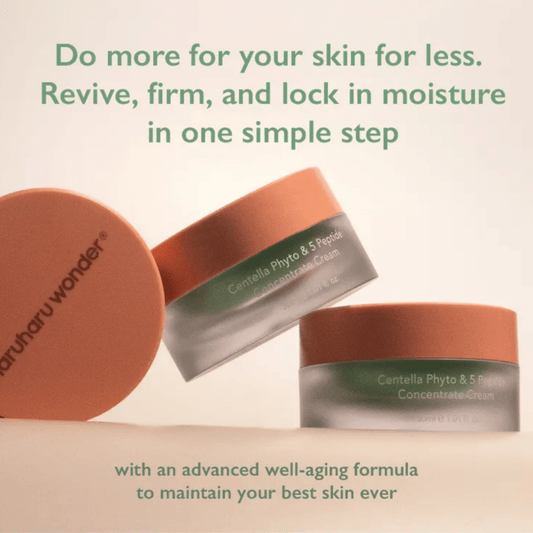







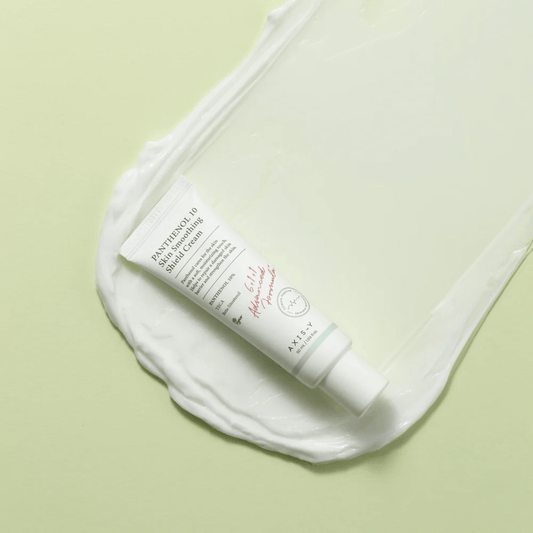

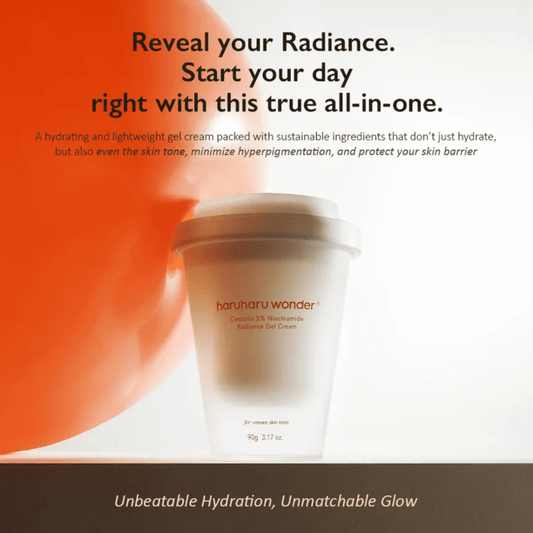

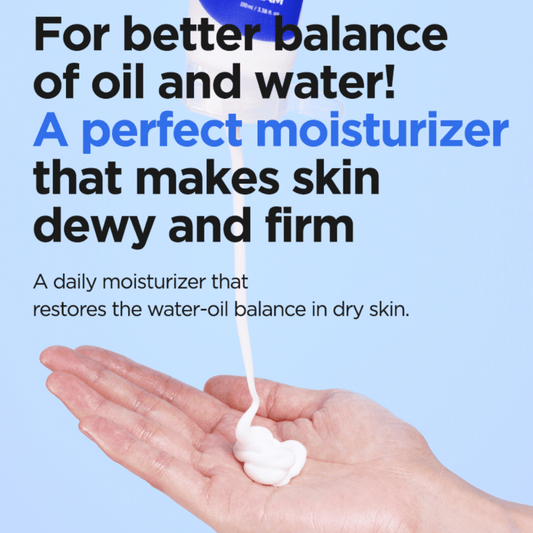
Korean Moisturisers for Dehydration address one of the most misunderstood skin conditions. Dehydrated skin lacks water, not oil. This means oily, combination, and dry skin types can all experience it at the same time as they experience their usual concerns. Understanding that distinction changes how you choose your moisturiser and what you expect from it.
Dryness vs Dehydration: Why the Difference Matters
Dry skin is a skin type. It produces less oil and needs emollient-rich formulas to compensate. Dehydration is a condition. The skin lacks water, regardless of how much oil it produces. Dehydrated skin looks dull, feels tight after cleansing, and can develop fine surface lines that disappear when the skin is plumped back up. Oily skin can be dehydrated too: stripping cleansers and over-exfoliation remove both oil and water, leaving the skin oily on the surface but thirsty underneath. Korean moisturisers for dehydration focus on restoring water content first. Korean skincare philosophy emphasises consistent gentle care over intensive periodic treatments, this approach is especially effective for sensitive and reactive skin, which benefits from predictability and low-stress product interactions.
- Dry skin: lacks oil, a skin type
- Dehydrated skin: lacks water, any skin type
- Fine surface lines that plump with moisture
- Dull, flat look despite regular moisturising
Ingredients for Dehydrated Skin
The key to addressing dehydration is humectants, ingredients that attract and hold water in the skin. Hyaluronic acid is the most well-known, but glycerin, sodium PCA, and beta-glucan are equally effective. Korean moisturisers often combine several humectants at different molecular weights, allowing hydration to reach different layers of the skin rather than just the surface. Paired with a light barrier-forming ingredient to prevent water from escaping again, these formulas can restore a plump, dewy look within days of consistent use. Dehydration is a temporary skin condition rather than a skin type and can affect oily and combination skin as readily as dry skin. A hydrating serum used consistently for two to four weeks typically resolves surface dehydration and restores a healthy plump appearance.
- Hyaluronic acid for surface plumping
- Glycerin for steady moisture retention
- Beta-glucan to hold hydration in place
- Light occlusives to prevent water loss
Routine Tips for Dehydrated Skin
Apply your moisturiser to damp skin. This gives the humectants in the formula something to work with immediately. If your skin feels dehydrated even with daily moisturising, consider adding a hydrating toner or essence before your moisturiser. This layers water content into the skin before sealing it in. Avoid alcohol-heavy products and over-exfoliating, which strip the water barrier. Consistency matters more than intensity: a gentle, hydrating routine used daily will improve dehydration faster than occasional intensive treatment. Apply morning and evening after serum, smoothing in upward strokes. Consistent daily use over four to six weeks allows the active ingredients to deliver measurable change as the skin builds its response.
- Apply on damp skin for best results
- Add a hydrating toner or essence first
- Avoid alcohol-heavy products
- Reduce exfoliation frequency during recovery
Explore the collection above. When dehydration is addressed correctly, the results, plumper, brighter, more comfortable skin, come steadily and last.