



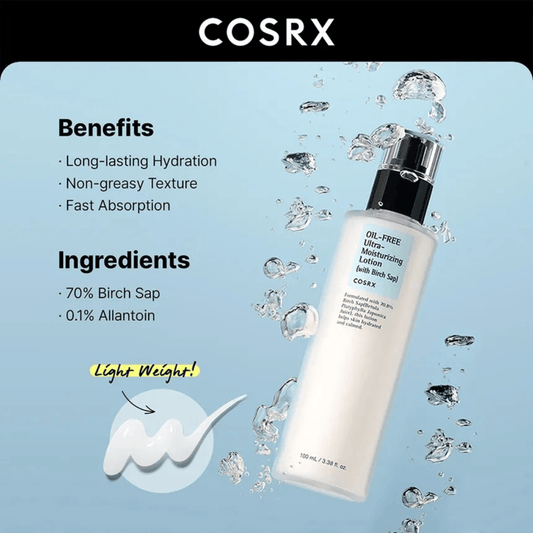


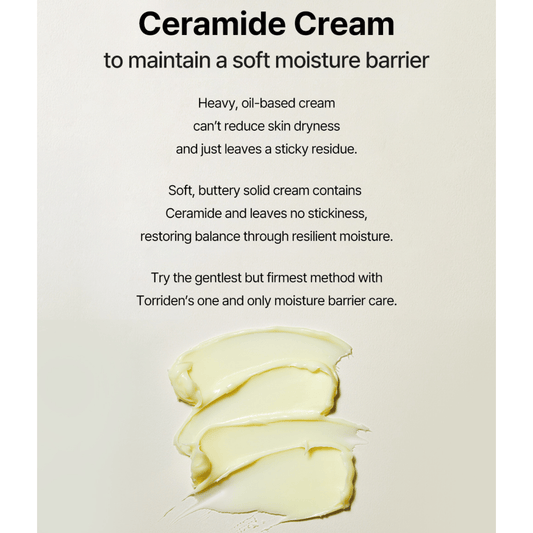

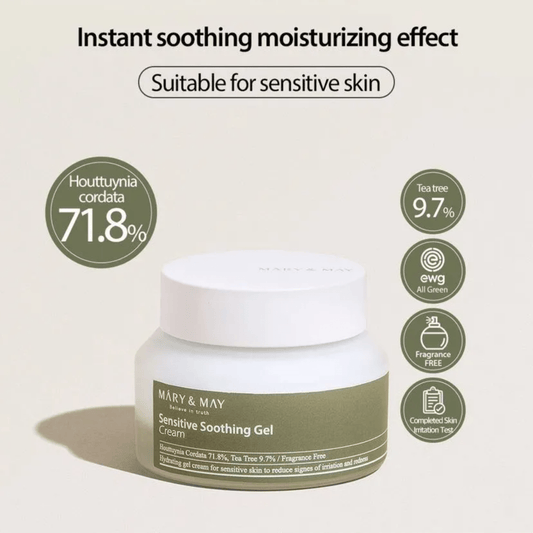


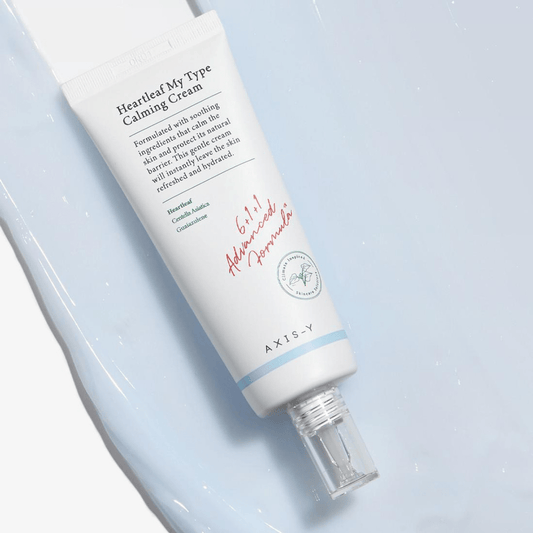

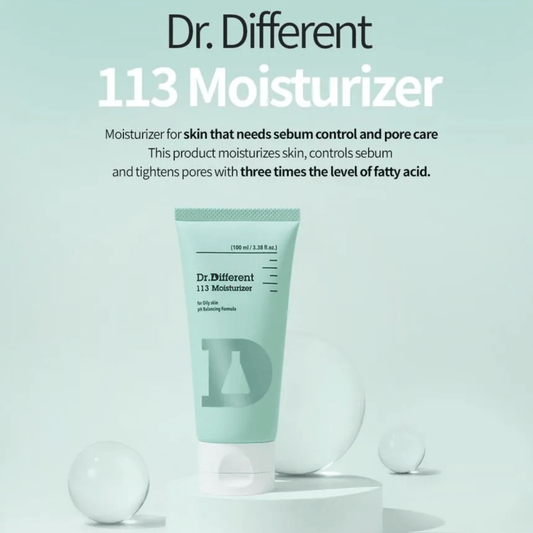
Korean Moisturisers for Antimicrobial are for skin that deals with persistent breakouts, congestion, or surface bacteria, but does not want to sacrifice hydration or comfort to address them. Korean skincare has developed a range of formulas that balance antimicrobial action with the gentle, barrier-respecting approach the skin needs to stay healthy rather than stripped.
What Antimicrobial Ingredients Work in a Moisturiser
The most widely used Antimicrobial ingredients in Korean skincare are those that reduce surface bacteria without disrupting the skin's natural microbiome. Tea tree oil-derived compounds offer antimicrobial properties in controlled concentrations. Propolis, a resin collected by bees, has well-documented antimicrobial and calming properties; it is widely used in Korean skincare for breakout-prone skin and tolerates well alongside hydrating actives. Centella asiatica adds an anti-inflammatory dimension, helping to calm the redness and irritation that accompany bacterial activity. Zinc also features in some formulas, regulating sebum and reducing the environment in which surface bacteria thrive. Look for clinical or consumer study data on the brand's product page, reputable Korean skincare brands routinely provide this, and it gives a more reliable indication of real-world performance than ingredient-list analysis alone.
- Propolis for antimicrobial and calming action
- Tea tree-derived compounds for bacteria control
- Centella to calm inflammation alongside bacteria
- Zinc to regulate sebum environment
Can Antimicrobial Moisturisers Upset Skin Balance?
Yes, if the formula is too aggressive or uses high concentrations of drying antimicrobial agents. Strong alcohol-based antimicrobials, high-dose salicylic acid, or excessive drying agents can strip both good and bad bacteria from the skin surface and weaken the barrier. Korean Antimicrobial moisturisers avoid this: they target harmful bacteria with controlled, gentle actives while including hydrating and barrier-supporting ingredients that keep the skin balanced. The goal is not to strip the skin clean but to maintain a healthy surface environment. Oily skin still needs hydration, the sebum it produces is not equivalent to moisture, and a dehydrated oily complexion shows both shine and flaky dry patches simultaneously. A water-based, oil-free moisturiser applied consistently teaches the skin to regulate sebum rather than overproducing it.
- Avoid high alcohol or excessive drying agents
- Gentle actives target bacteria without stripping
- Barrier support ingredients protect skin balance
- Hydration is maintained alongside antimicrobial action
How Korean Brands Approach Antimicrobial Skincare Gently
Korean skincare applies the same philosophy to Antimicrobial care as it does to every other concern: layer gently, support the barrier, and avoid ingredients that create new problems while solving old ones. This means Antimicrobial moisturisers suit daily use, not just spot treatment. Used morning and evening on breakout-prone skin, they help maintain a surface environment that is less hospitable to bacteria, while hydration and barrier-supporting ingredients ensure the skin stays healthy and comfortable. Apply the serum to clean, slightly damp skin and allow thirty to sixty seconds for the formula to fully absorb before applying moisturiser, this prevents dilution of the active layer and ensures it is sealed in effectively.
- Daily use rather than occasional spot treatment
- Morning and evening application for consistent effect
- Barrier ingredients keep skin healthy while actives work
- Gentle enough for long-term use on breakout-prone skin
Explore the collection above and find the moisturiser that keeps your skin balanced and clear. Antimicrobial care works best when it is calm and consistent.