


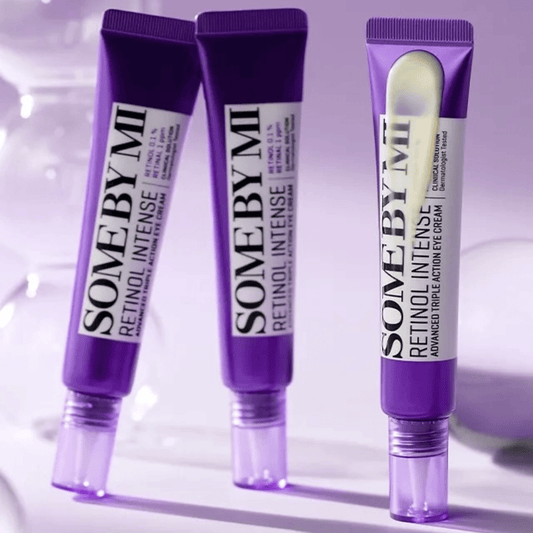

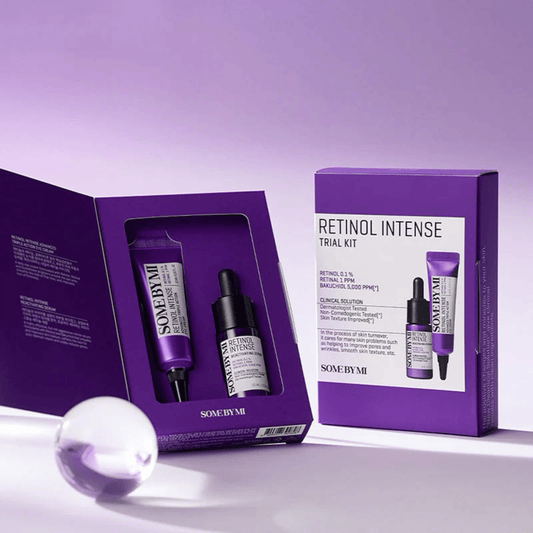

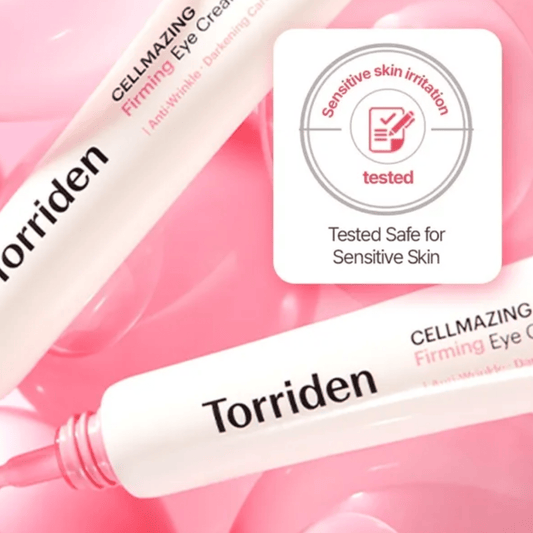
Korean Eye Creams with Retinol bring a thoughtful approach to one of skincare's most potent age-well actives. Retinol speeds up cell turnover, supports collagen production, and helps even out skin tone, but at the wrong concentration or without proper formulation partners, it can irritate the thin, sensitive orbital skin. Korean brands approach this with characteristic care, using gentler concentrations paired with calming actives to deliver results without the discomfort.
How Korean Retinol Eye Creams Differ
Korean formulations typically use retinol at concentrations between 0.01% and 0.1%, significantly lower than many Western products. They partner retinol with centella asiatica, panthenol, and madecassoside to buffer any potential irritation. Some use retinol alternatives like bakuchiol or granactive retinoid for skin types that find any retinoid difficult. The Korean philosophy is effective but kind, the result rather than the strength.
- Gentler concentrations suited to the orbital area
- Calming partners buffer irritation potential
- Retinol alternatives available for very sensitive skin
- Focus on long-term results, not aggressive short-term action
What to Expect and How to Introduce
Retinol eye creams should be introduced gradually, starting two or three nights a week and building to nightly use over four to six weeks. Some initial dryness or mild flaking around the eye area is normal in the first few weeks; this typically settles as the skin adjusts. Always follow with a nourishing moisturiser and use SPF the following morning, as retinol increases the skin's sensitivity to daylight.
- Start two to three nights per week
- Mild dryness in the first few weeks is normal
- Always follow with moisturiser and morning SPF
- Evening use only, retinol degrades in daylight
Skin Types and Cautions
Retinol eye creams suit normal, dry, and combination skin types seeking age-well results. Sensitive and reactive skin should start with the lowest available concentration and use it no more than twice a week initially. Pregnant and breastfeeding individuals should avoid retinol entirely. Anyone with a compromised or disrupted eye area barrier should wait until the skin is restored before introducing retinol.
- Suits normal, dry, and combination skin types
- Sensitive skin starts low and builds gradually
- Not suitable during pregnancy or breastfeeding
- Repair the barrier first if skin is reactive
Long-Term Results with Consistent Use
The visible benefits of a Korean retinol eye cream become clearer after eight to twelve weeks of consistent use. Fine lines in the orbital area look smoother, the skin surface feels more refined, and pigmentation from sun exposure begins to even out. These changes are gradual and require patience, but they are genuine and supported by the mechanism of retinol on skin cell turnover. The key is to maintain the habit through the adjustment period and not abandon the formula at the first sign of mild dryness, which is temporary and resolves as the skin adapts.
- Visible improvement at eight to twelve weeks
- Smoother lines and more refined skin surface
- Gradual pigmentation improvement with consistent use
- Adjustment period dryness resolves and should not prompt stopping
Browse the collection above to find the Korean retinol eye cream that delivers age-well results with the care the orbital area deserves.