


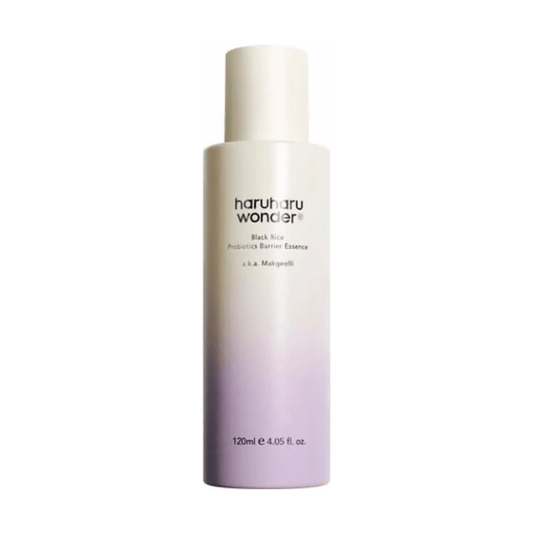


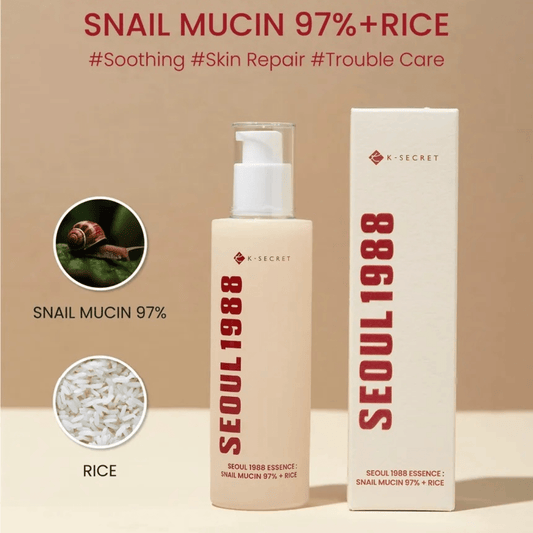
Korean Essences with Rice bring one of Korean beauty's most traditional ingredients into a modern, fast-absorbing format. Rice has been used in East Asian skincare for centuries, first as rice water, then as refined extracts, and now as concentrated bioactive compounds derived from different parts of the rice grain. In an essence, rice-derived ingredients deliver brightening, hydrating, and antioxidant benefits simultaneously in a texture that absorbs quickly and suits most skin types.
What Rice Extracts Do in an Essence
Rice-derived ingredients work in skincare through several mechanisms. Rice bran extract contains ferulic acid, a powerful antioxidant that neutralises free radicals and helps protect against UV-related pigmentation. Oryzanol, derived from rice bran oil, supports barrier function and has anti-inflammatory properties. Fermented rice water contains kojic acid, which inhibits the enzyme responsible for melanin production and has a documented brightening effect on pigmentation and dull tone. Hydrolysed rice protein, a smaller-molecule derivative, hydrates the skin and has a film-forming property that reduces transepidermal water loss. Together, these rice-derived compounds give the skin antioxidant protection, brightening, barrier support, and hydration from a single ingredient family.
- Ferulic acid in rice bran provides antioxidant protection
- Kojic acid from fermented rice water inhibits melanin production
- Hydrolysed rice protein hydrates and reduces water loss
- Oryzanol supports barrier function and calms inflammation
Skin Types Suited to a Rice Essence
Rice essences are suitable for a broad range of skin types because the main rice-derived compounds are gentle and well tolerated. Dry skin benefits from the hydrating and barrier-supporting properties. Dull or uneven skin responds to the brightening and antioxidant components. Sensitive skin finds most rice essences calming because they do not contain the strong actives that can irritate. Mature skin benefits from the combined antioxidant and brightening effects. Oily and combination skin can use rice essences because they are water-based and do not add greasiness. The only skin type that needs to check formulas carefully is fungal acne-prone skin, which should verify that the rice-derived compounds are not fermented yeast-based and that the formula is otherwise Malassezia-safe.
- Dry skin benefits from hydrating and barrier-supporting properties
- Dull and uneven skin responds to brightening and antioxidant components
- Sensitive skin finds rice essences calming in most formulas
- Fungal acne-prone skin should verify the formula is Malassezia-safe
Rice Essences in Korean Skincare History
The use of rice water in Korean skincare predates the modern K-beauty industry by centuries. Women in East Asian royal courts reputedly used rice water as a daily skin conditioning step, and research on these practices contributed to the development of modern fermented rice extract products. The influence of this tradition is visible in contemporary Korean skincare, rice-derived ingredients appear in everything from first treatment essences to sleeping masks, and remain one of the most studied and celebrated ingredient families in Korean beauty. Using a rice essence is a direct connection to this long tradition of fermentation-informed skincare.
- Rice water use in East Asian skincare predates modern K-beauty
- Royal court traditions contributed to modern extract development
- Rice remains one of the most studied ingredient families in Korean beauty
- Modern essences refine centuries of fermentation practice into daily use
Browse the range above. A rice essence is a simple, well-established step for anyone seeking brighter, better-hydrated skin, and consistent daily use reveals the full cumulative effect of this classic ingredient.