
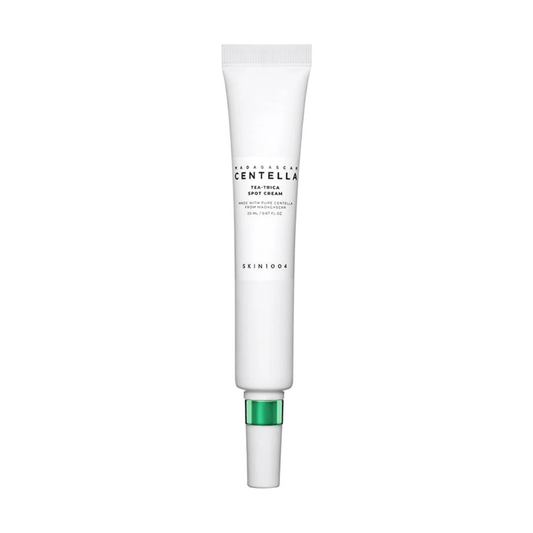
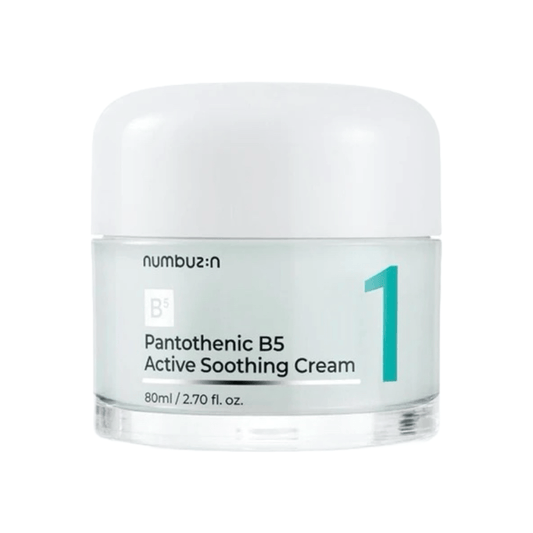
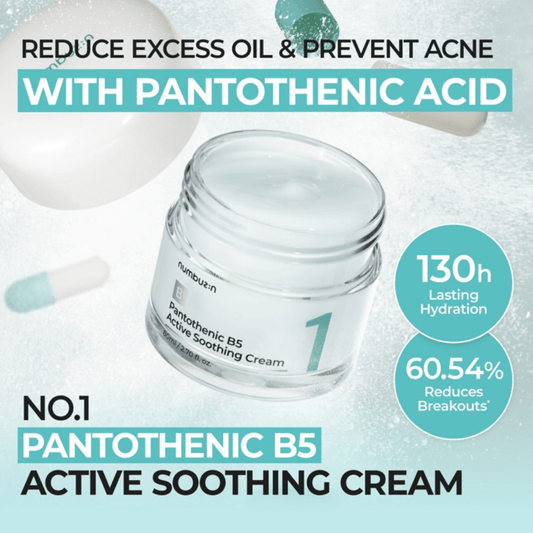

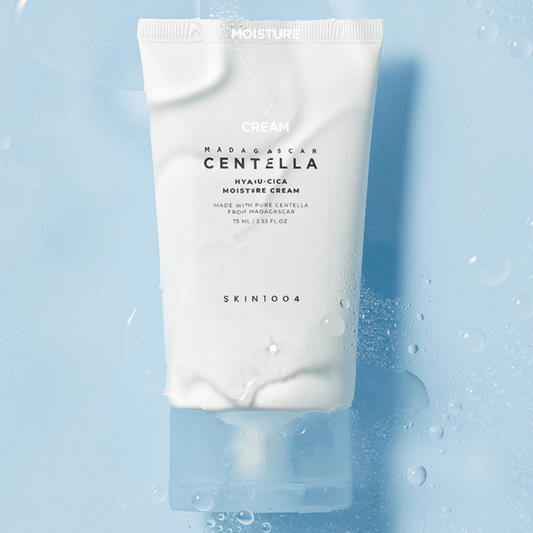

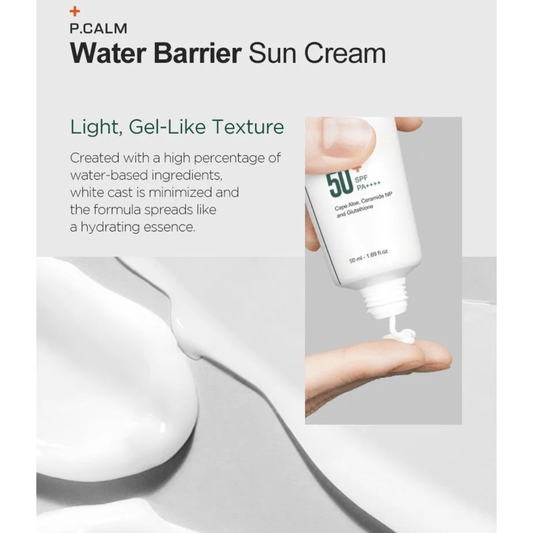

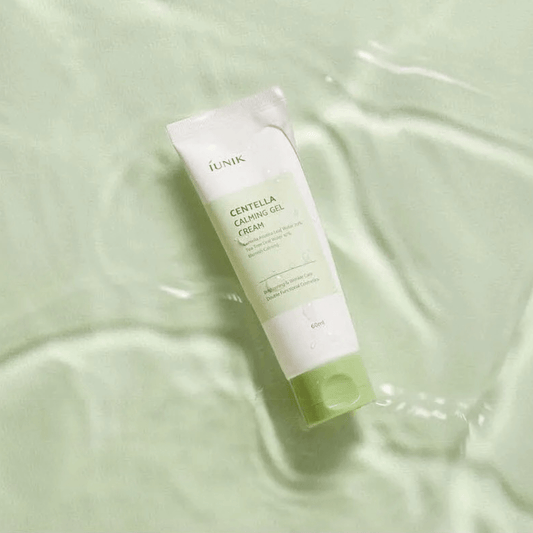

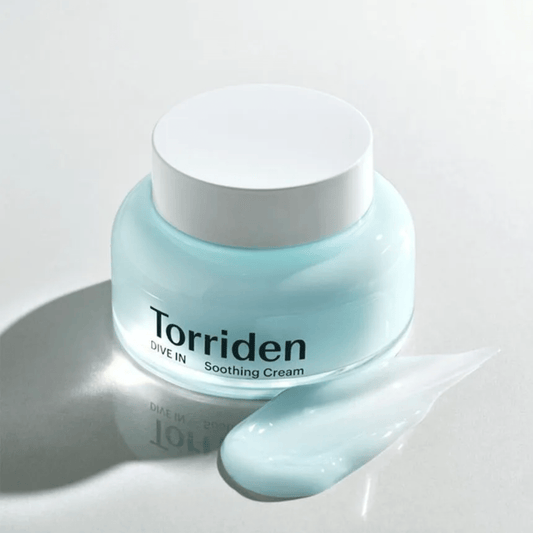


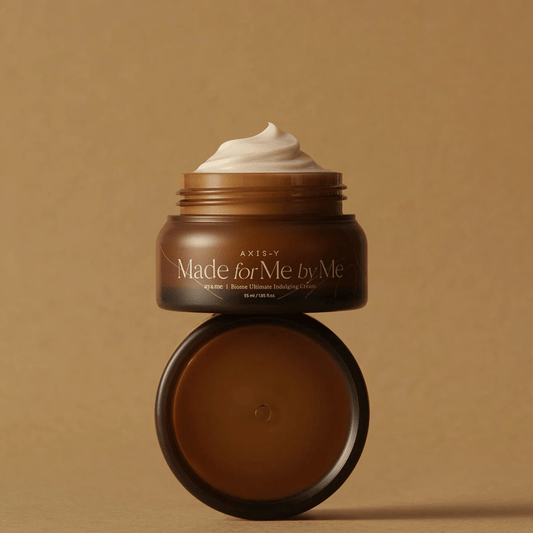

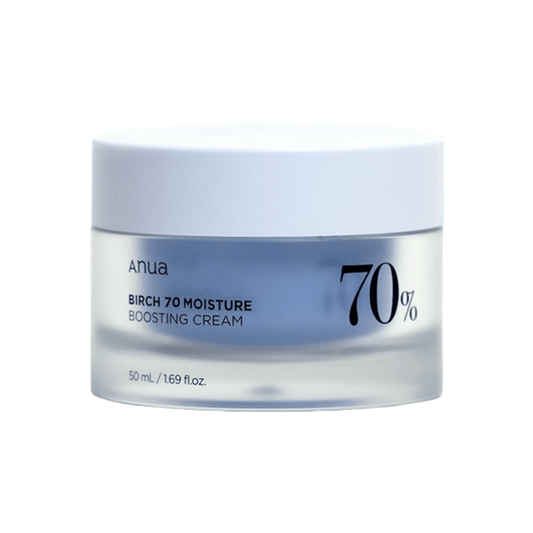
Korean Creams for Rosacea Prone Skin are built around a clear understanding of what this skin concern requires: calm, barrier support, and the complete absence of the common ingredients that trigger flares. Korean skincare is particularly strong in this area, with a tradition of gentle, minimal formulas that have been developed for skin that reacts to almost everything.
What Ingredients to Look for in a Cream for Rosacea Prone Skin
The best creams for Rosacea Prone Skin combine calming anti-inflammatory actives with strong barrier-supporting ingredients. Centella asiatica, particularly its madecassoside fraction, is one of the most effective calming ingredients for rosacea, reducing the redness and inflammatory response that characterise flares. Beta-glucan provides calming, sustained hydration that does not irritate. Ceramides and fatty acids strengthen the compromised barrier that Rosacea Prone Skin typically has, reducing the permeability that allows triggers easier access to reactive cells. Niacinamide in moderate concentrations strengthens the barrier and reduces redness over time without the stimulation risk of higher actives. Rosacea involves chronic vascular reactivity and barrier dysfunction that results in persistent redness, visible capillaries, and sensitivity to many triggers.
- Centella and madecassoside to calm rosacea redness
- Beta-glucan for calming, sustained hydration
- Ceramides and fatty acids to strengthen barrier
- Moderate niacinamide for long-term barrier and tone
What Ingredients Rosacea Prone Skin Should Avoid in a Cream
Rosacea Prone Skin has specific, well-documented triggers in cream formulas. Fragrance, synthetic or natural, is the most common contact irritant. Essential oils, including popular ones like lavender, tea tree, and rose, are potent triggers for rosacea reactions. Menthol and cooling agents activate the same nerve pathways that trigger flushing. Alcohol in its stripping form dehydrates and inflames the barrier. High-concentration niacinamide, while generally beneficial, can cause flushing in some rosacea sufferers, if this is a concern, start with formulas containing lower concentrations. Witch hazel and astringent plant extracts should also be avoided. Rosacea involves chronic vascular reactivity and barrier dysfunction that results in persistent redness, visible capillaries, and sensitivity to many triggers.
- No fragrance, synthetic or natural
- No essential oils of any kind
- No menthol or cooling agents
- No stripping alcohols or astringent extracts
Is a Lightweight or Rich Cream Better for Rosacea Prone Skin?
A medium-weight cream is generally the most practical daily choice for Rosacea Prone Skin. Very light formulas can evaporate too quickly and leave sensitive skin feeling tight, which can trigger flushing. Very rich, occlusive creams can trap heat and worsen redness. A Korean gel-cream or soft cream texture provides enough occlusion to protect the barrier and maintain moisture without the heaviness that contributes to heat retention. In winter, when Rosacea Prone Skin often worsens due to cold, wind, and central heating, a slightly richer formula adds useful extra protection. Rosacea involves chronic vascular reactivity and barrier dysfunction that results in persistent redness, visible capillaries, and sensitivity to many triggers.
- Medium-weight cream as the daily choice
- Very light formulas may cause tightness and flushing
- Very rich creams may trap heat and worsen redness
- Richer formula in winter for extra barrier protection
Scroll up to explore the collection. Korean Creams for Rosacea Prone Skin offer the calm, protective daily care that reactive skin needs to stay stable and comfortable through every season.