

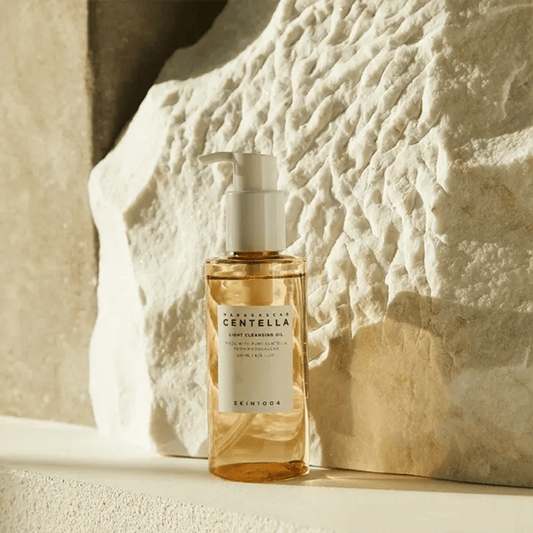

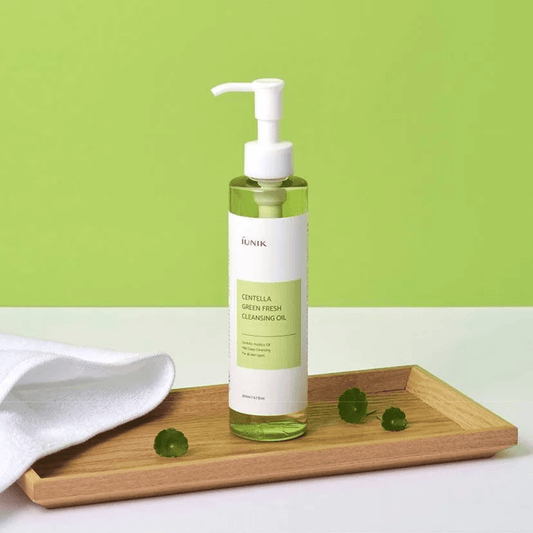

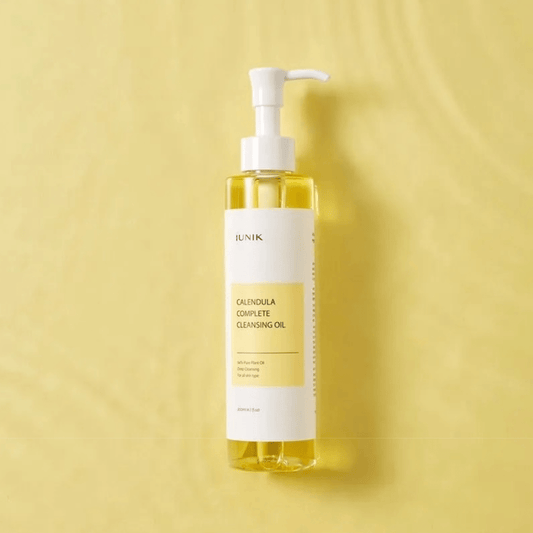

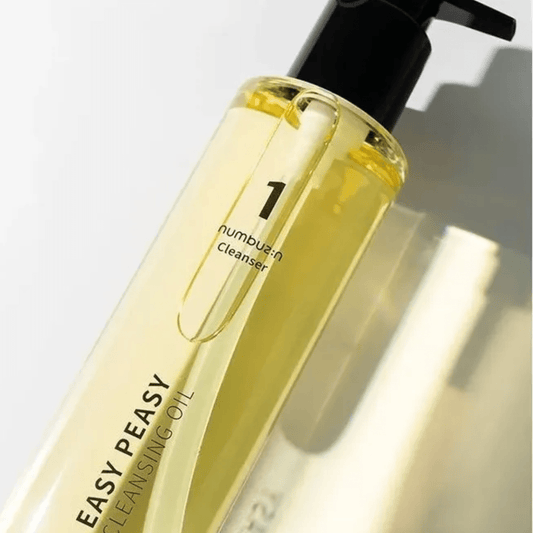

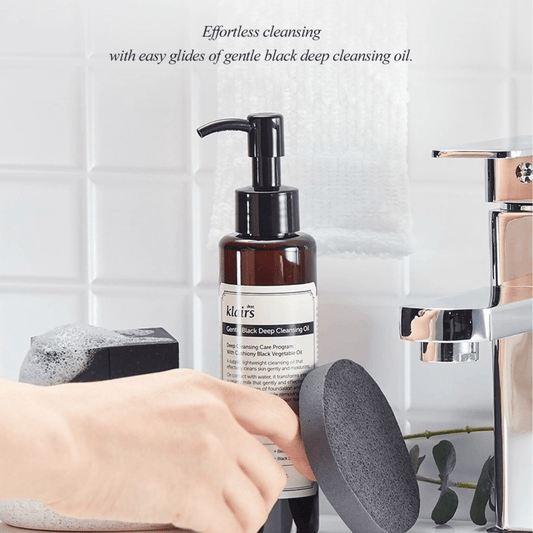

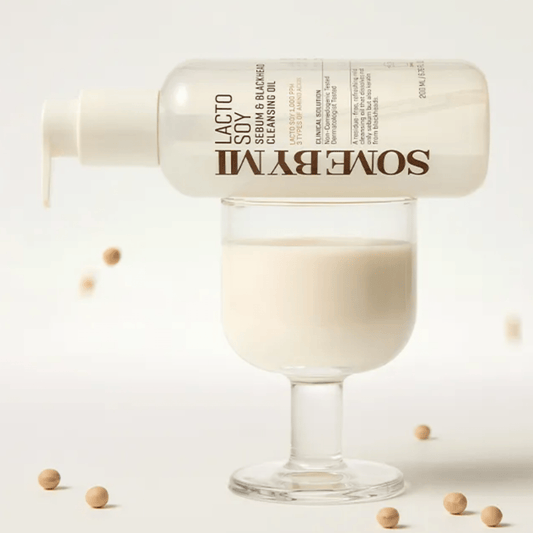

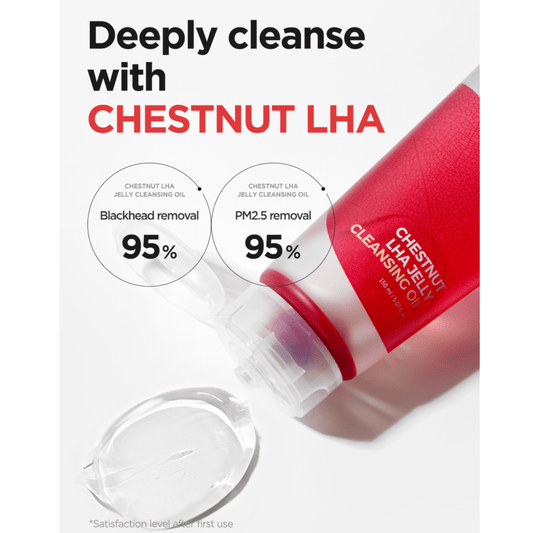
Korean Cleansing Oils for Oiliness remove excess sebum without triggering the rebound oil production that harsh cleansers cause. These formulas leave skin balanced and clean, effectively managing oiliness through the intelligent use of skin-compatible plant oils.
Why Cleansing Oil Works for Oily Skin
The counterintuitive truth about oily skin is that using oil to cleanse it often works better than harsh, stripping formulas. When the skin is stripped of oil by strong surfactants or drying cleansers, it responds by producing more sebum to compensate for the loss, creating the rebound oiliness cycle that many people with oily skin experience. Oil cleansing with skin-compatible plant oils dissolves excess sebum without removing all of it, leaving the skin with a stable, comfortable moisture level that does not trigger compensatory overproduction. The result is a cleaner skin surface and a more balanced oil level after washing.
- Stripping cleansers trigger rebound sebum overproduction
- Plant oils dissolve sebum without triggering compensation
- More stable oil level after washing than with harsh cleansers
Best Oils for Oily Skin Types
Not all oils are equal for oily skin. Low-comedogenic rating oils that are high in linoleic acid work best for oily and acne-prone skin because linoleic acid is a skin-identical fatty acid that does not block follicles and actually helps regulate the sebum composition. Sunflower oil, rosehip oil, and hemp seed oil are all high in linoleic acid and work well in cleansing formulas for oily skin. Jojoba oil is technically a wax ester that closely mimics sebum structure, creating a balanced interaction at the follicle level. Avoid oleic-acid-dominant oils (olive, avocado) for oily skin, as these have a higher comedogenic potential.
- Linoleic-acid-rich oils are best for oily and acne-prone skin
- Sunflower, rosehip, and jojoba are particularly well suited
- Avoid oleic-acid-dominant oils on consistently oily skin
How to Cleanse Oily Skin With an Oil Cleanser
Apply the cleansing oil to dry skin and massage for 60 seconds, focusing on the T-zone and any areas of visible congestion. Adding water to emulsify the formula is important for oily skin, this step causes the oil to become milky and rinse-compatible, carrying away the dissolved sebum and impurities without leaving a film on the skin. Rinse thoroughly. Follow with a gentle second cleanser, a foaming or gel formula, to remove any remaining oil residue and ensure the surface is fully clear before applying treatment. Without the second cleanse, oil residue can mix with subsequent products and reduce their effectiveness.
- Massage for 60 seconds on dry skin before emulsifying
- Emulsify with water before rinsing to carry sebum away
- Always follow with a second cleanser on oily skin
Long-Term Oiliness Management Through Consistent Cleansing
Consistent oil cleansing, combined with sebum-regulating skincare actives like niacinamide or zinc, produces a measurable improvement in oiliness over weeks and months. The daily removal of excess sebum prevents the accumulation that causes congestion and enlarged pores. Niacinamide applied after cleansing reduces the sebaceous gland activity that drives overproduction. Over time, the skin's oil production becomes more moderate, the surface stays cleaner for longer between washes, and the frequency of blemishes reduces. This systematic approach produces more sustainable results than periodic intensive treatments or over-cleansing.
- Daily oil cleansing prevents the accumulation that causes congestion
- Niacinamide post-cleansing reduces sebaceous gland activity
- Sustainable improvement over weeks with consistent approach
Find the right formula in our Korean Cleansing Oils for Oiliness range, effective sebum management that works with your skin rather than against it.