

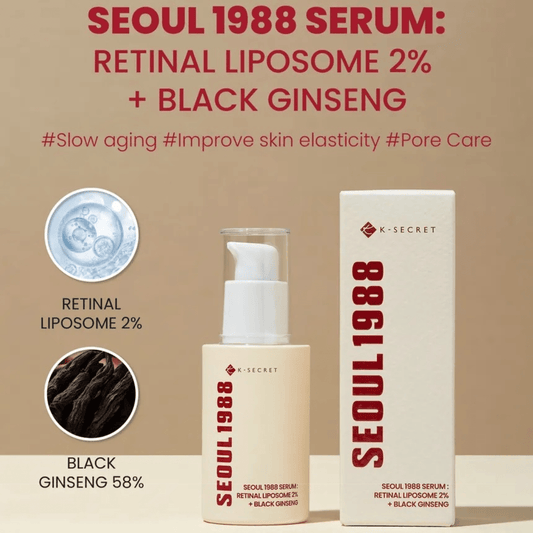

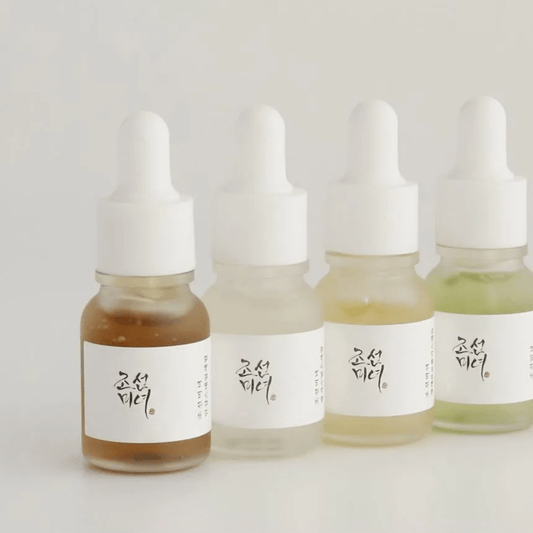

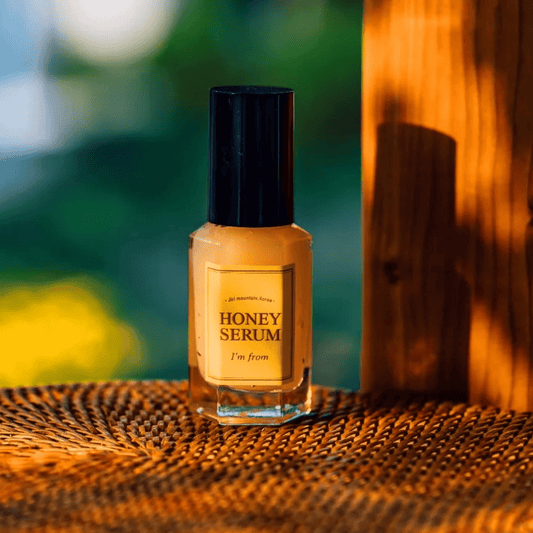

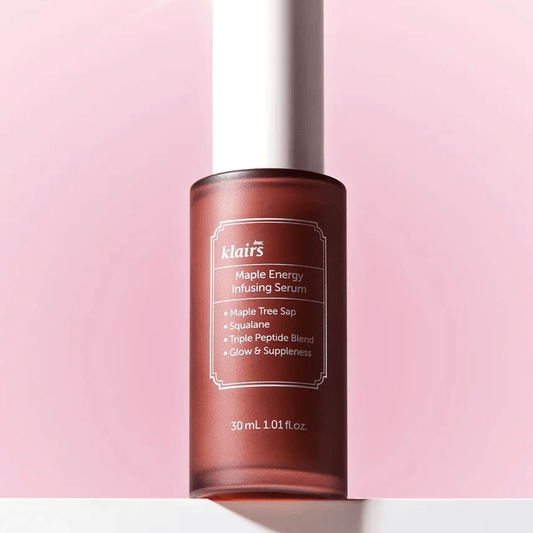
Nourishment is more than hydration. Where hydrating serums focus on water moisture, nourishing serums add the fatty acids, amino acids, and botanical extracts that support the skin's structure, texture, and long-term resilience. K-Beauty Serums for Nourishment deliver this broader care at the treatment step, building a foundation that benefits every other product in the routine.
How a Nourishment Serum Differs from a Hydrating One
A hydrating serum focuses on humectants, ingredients like hyaluronic acid and glycerine that draw water into the skin and hold it there. A nourishing serum adds to this with emollients that soften and smooth, amino acids that support skin structure and repair, and botanical actives that give the skin genuine substance rather than just water content. The sensory difference is clear: a hydrating serum makes skin feel plumper and more dewy; a nourishing serum makes skin feel genuinely fed, soft, smooth, and more resilient. Apply the serum to clean, slightly damp skin and allow thirty to sixty seconds for the formula to fully absorb before applying moisturiser, this prevents dilution of the active layer and ensures it is sealed in effectively.
- Hydrating serums add water; nourishing serums add water plus more
- Emollients soften and smooth alongside the humectants
- Amino acids support skin structure and repair processes
- Nourished skin feels substantively cared for, not just quenched
Which Ingredients Make a Serum Good for Nourishment
Fermented rice water delivers nourishment with a soft, brightening quality that makes skin feel fed and radiant simultaneously. Ginseng extract supports skin vitality and elasticity alongside its nourishing properties. Squalane is a lightweight emollient that nourishes without any heaviness. It mimics the skin's own sebum composition and is exceptionally well-tolerated. Amino acids, including arginine and glycine, contribute to skin repair and provide gentle protein-based nourishment. Centella adds calming nourishment that is particularly valuable for stressed or compromised skin. Vitamin E works most effectively when combined with vitamin C, the two antioxidants recycle each other, extending their combined protective duration on the skin's surface. This synergy makes vitamin E a standard co-ingredient in brightening and antioxidant serums.
- Fermented rice water for soft, brightening Nourishment
- Ginseng for vitality and elasticity alongside nourishing care
- Squalane for lightweight emollient Nourishment without heaviness
- Amino acids for protein-based repair and structural support
Can a Nourishment Serum Replace Night Cream
A nourishing serum is a complement to a night cream, not a replacement. The serum delivers its active nourishing ingredients to the skin at a concentrated level; the night cream seals them in and adds its own occlusive and emollient protection while the skin repairs overnight. For very dry or mature skin, both are needed, the serum nourishes and the cream seals. For normal skin, a well-chosen nourishing serum followed by a lighter night moisturiser is often sufficient. Skipping the cream on dry or mature skin leads to more moisture loss overnight. Apply one to two pumps to clean, slightly damp skin before moisturiser. Consistent daily use over four to eight weeks allows the active ingredients to show their full benefit as the skin adapts.
- Serum nourishes; night cream seals and protects overnight
- Both are needed for very dry or mature skin
- Normal skin can manage with a serum plus lighter night moisturiser
- Skipping cream on dry skin increases overnight moisture loss
Explore the full collection above. The right Nourishment serum is the treatment step that makes everything else feel more effective. Find the one your skin responds to best.