


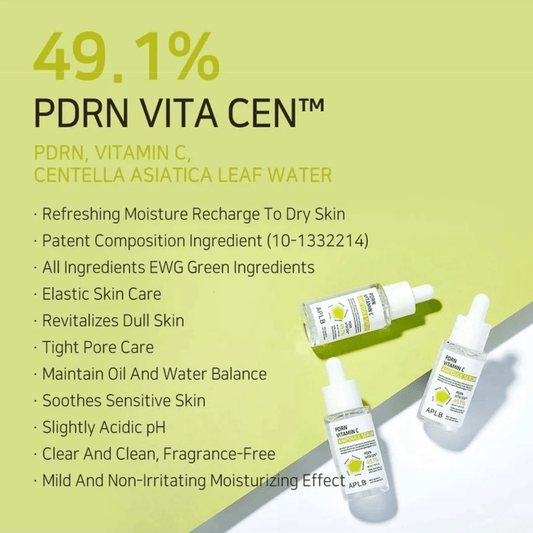

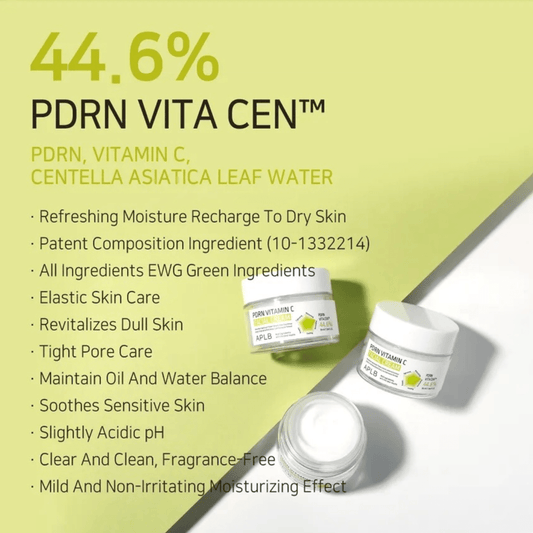

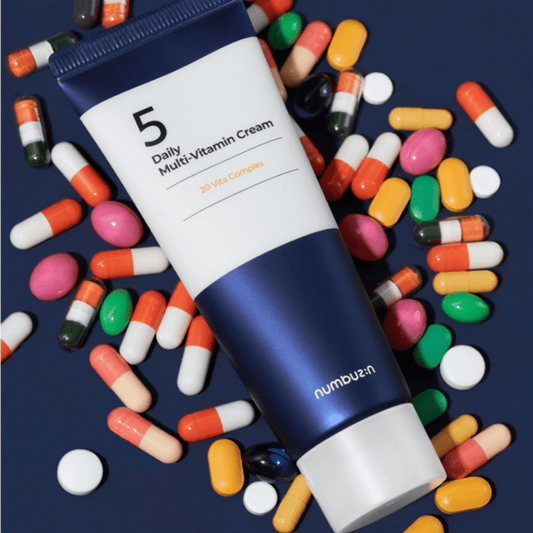


K-Beauty for Sensitive Skin with Vitamin C addresses one of the most requested but challenging ingredients for reactive skin. Vitamin C is a powerful antioxidant and brightener, but in its strongest forms it can sting, cause redness, and irritate the barrier. Korean skincare offers gentler vitamin C derivatives and formulations that bring the benefits of vitamin C to sensitive skin without the harsh side effects.
Which Form of Vitamin C Is Gentlest for Sensitive Skin
Ascorbyl glucoside is one of the gentlest vitamin C derivatives, stable and non-irritating at typical concentrations. Ethyl ascorbic acid is more potent than ascorbyl glucoside but still gentler than pure ascorbic acid, offering a good middle ground for sensitive skin. Sodium ascorbyl phosphate is a water-soluble form that provides antioxidant and brightening benefits at a higher pH, which reduces the stinging associated with low-pH vitamin C products. Ascorbyl tetraisopalmitate is an oil-soluble derivative that penetrates the barrier gently. Avoid pure L-ascorbic acid above 10% on sensitive skin, as it requires a low pH that can sting and redden reactive skin.
- Ascorbyl glucoside: gentle, stable, non-irritating
- Ethyl ascorbic acid: stronger than glucoside but still mild
- Sodium ascorbyl phosphate: higher pH, less stinging
- Avoid pure L-ascorbic acid above 10% on sensitive skin
Can Vitamin C Irritate Sensitive Skin
Pure ascorbic acid at high concentrations (15-20%) can irritate sensitive skin significantly. It requires a pH below 3.5 to work, and this low pH causes stinging, redness, and barrier disruption on reactive skin. Even at lower concentrations, pure ascorbic acid can cause flushing in some people with sensitive skin. The derivatives listed above work at higher, gentler pH levels and are far less likely to cause irritation. For sensitive skin, the choice of vitamin C form matters more than the concentration. A 5% derivative can provide meaningful benefits without any of the irritation a 20% pure ascorbic acid causes.
- Pure ascorbic acid at 15-20% is too strong for most sensitive skin
- Low pH below 3.5 causes stinging and barrier disruption
- Derivatives work at higher, gentler pH levels
- Form of vitamin C matters more than concentration
What Concentration Suits Sensitive Skin
For derivatives like ascorbyl glucoside and ethyl ascorbic acid, 3-10% is the ideal range for sensitive skin. This provides meaningful antioxidant and brightening benefits without irritation risk. For sodium ascorbyl phosphate, 3-5% is effective and well tolerated. Start at the lower end of the range and increase only if the skin shows good tolerance after three to four weeks. More is not better for sensitive skin. A 5% derivative used consistently gives better long-term results than a 15% formula used intermittently because it causes stinging.
- Derivatives at 3-10% are ideal for sensitive skin
- Start at the lower end of the range
- Increase only after three to four weeks of tolerance
- Consistent low concentration beats intermittent high concentration
How to Introduce Vitamin C into a Sensitive Skin Routine
Start by using a gentle vitamin C derivative serum every other morning after toner and before moisturiser. Watch for any stinging, redness, or discomfort over two weeks. If the skin tolerates it well, increase to every morning. Add SPF after moisturiser, as vitamin C works best alongside sun protection. Do not combine vitamin C with strong acids or retinol in the same step. In the evening, use calming products like centella and ceramides to support the barrier. If any irritation occurs, reduce frequency or switch to an even gentler derivative form.
- Start every other morning after toner, before moisturiser
- Watch for irritation over two weeks before increasing
- Always follow with SPF for best antioxidant protection
- Do not combine with strong acids or retinol in the same step
Explore the collection above to find Korean vitamin C products that brighten sensitive skin gently and safely.