
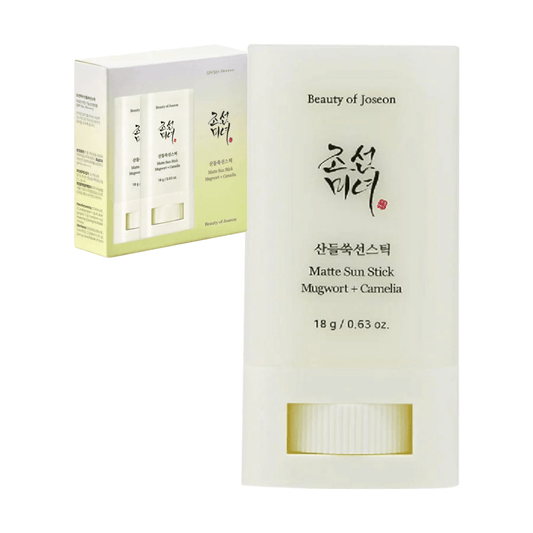
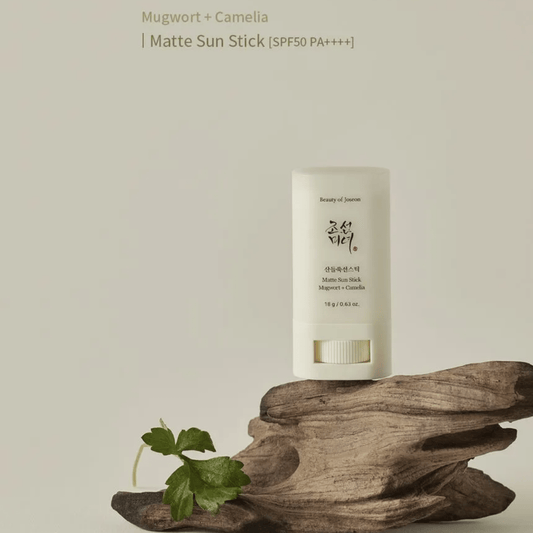

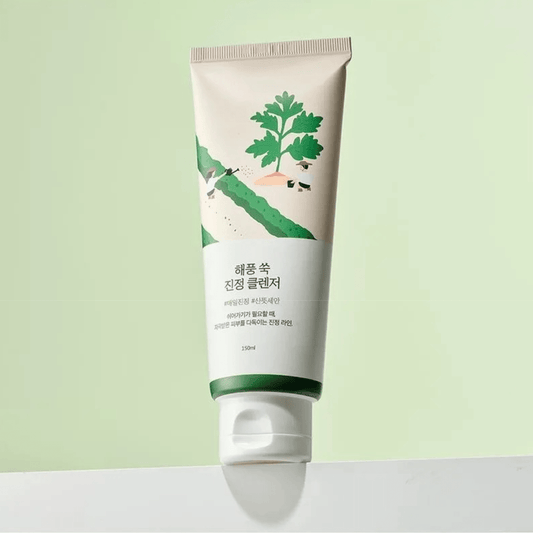

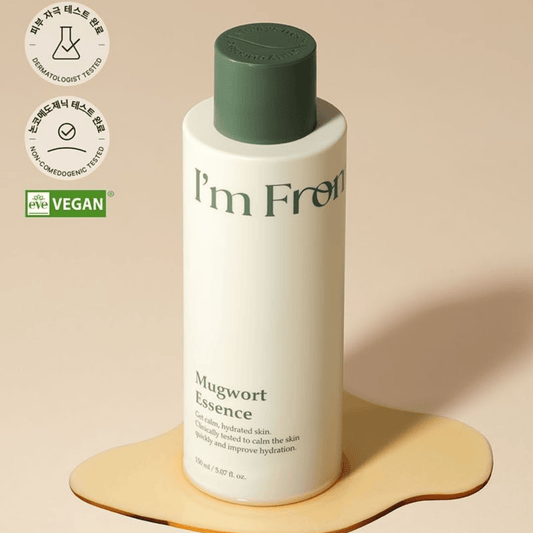

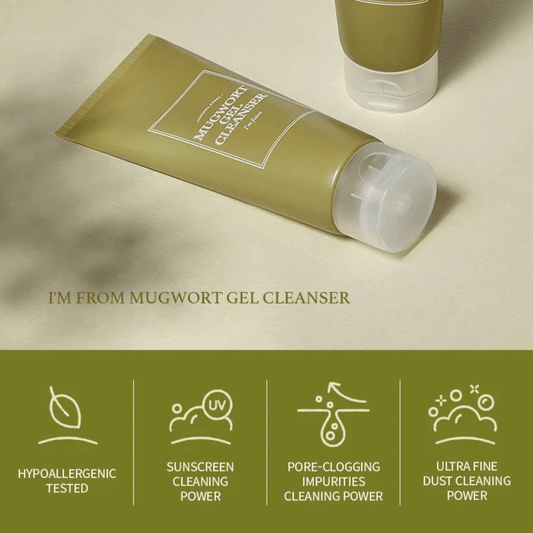


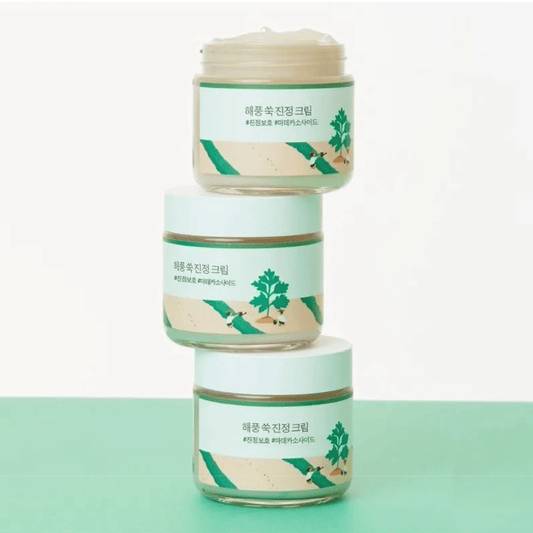

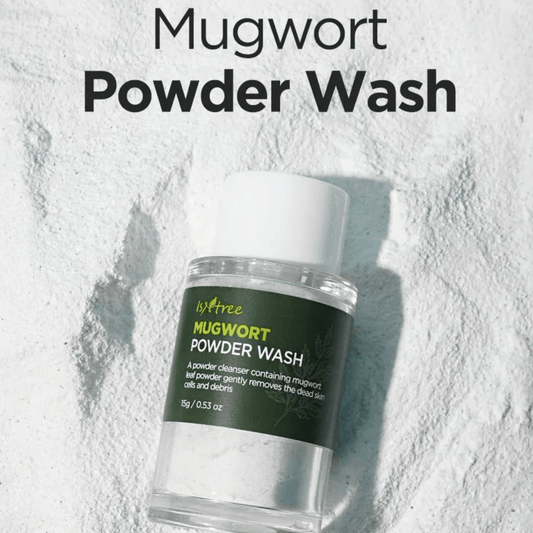

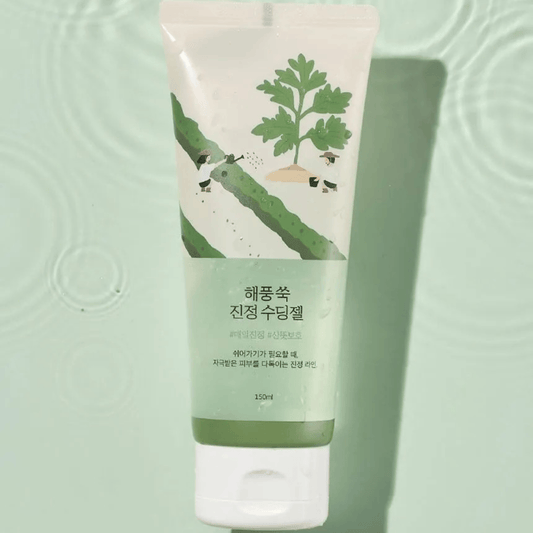
K-Beauty for Sensitive Skin with Mugwort centres on one of Korea's most cherished traditional skincare ingredients. Mugwort (ssuk) has been used in Korean herbal medicine for centuries for its calming, anti-inflammatory, and purifying properties. In modern Korean skincare, mugwort extract appears in products that soothe redness, reduce irritation, and support the barrier on sensitive skin.
How Mugwort Calms Sensitive Skin
Mugwort contains several active compounds that work together to calm the skin. Flavonoids in mugwort reduce inflammation by inhibiting the enzymes that trigger redness and swelling. Vitamin E provides antioxidant protection against environmental stressors. Minerals including calcium and potassium support cell function and hydration. Mugwort also has natural purifying properties that help maintain a healthy skin surface without being harsh or antiseptic. For sensitive skin, mugwort provides a broad spectrum of calming and protective benefits through a single, gentle botanical ingredient.
- Flavonoids reduce inflammation by inhibiting trigger enzymes
- Vitamin E provides antioxidant environmental protection
- Minerals support cell function and skin hydration
- Natural purifying properties maintain a healthy skin surface
Is Mugwort Safe for Very Reactive Skin Types
Yes. Mugwort extract in Korean skincare formulations has a very low irritation profile. It does not sting, does not cause peeling, and does not trigger photosensitivity. There is no adjustment period needed. Mugwort can be used daily, morning and evening, from the first application. The only caution is for people with known allergies to plants in the Asteraceae family (which includes mugwort, artemisia, ragweed, and chrysanthemums). Patch-testing on the inner arm for three days before facial use is a sensible precaution for anyone with plant-based allergies.
- Very low irritation profile in formulated products
- No stinging, peeling, or photosensitivity
- Safe for daily use from first application
- Patch-test if allergic to Asteraceae family plants
Mugwort vs Artemisia for Sensitive Skin
Mugwort and artemisia are closely related and often used interchangeably in Korean skincare marketing. Artemisia is the genus name, and mugwort (Artemisia vulgaris or Artemisia princeps) is one species within that genus. Different artemisia species have slightly different active compound profiles, but for sensitive skincare purposes, the calming and anti-inflammatory effects are similar. Korean products labelled "mugwort" and those labelled "artemisia" provide comparable soothing benefits. The key difference is in the specific formulation and supporting ingredients rather than the choice between mugwort and artemisia as a label term.
- Artemisia is the genus; mugwort is one species within it
- Different species have slightly different active profiles
- Both provide comparable calming and anti-inflammatory benefits
- Formulation and supporting ingredients matter more than the label term
Korean Mugwort Products Best for Redness
Mugwort toners provide a calming first layer after cleansing that prepares the skin for the rest of the routine. Mugwort essences deliver concentrated anti-inflammatory compounds in the treatment step. Mugwort sheet masks offer an intensive calming session for actively red or irritated skin. Mugwort sleeping masks provide extended overnight soothing while the skin repairs itself. For redness specifically, look for products that combine mugwort with centella or niacinamide, as these ingredients address redness through complementary pathways for a more thorough calming effect.
- Mugwort toners: calming first layer after cleansing
- Mugwort essences: concentrated anti-inflammatory treatment
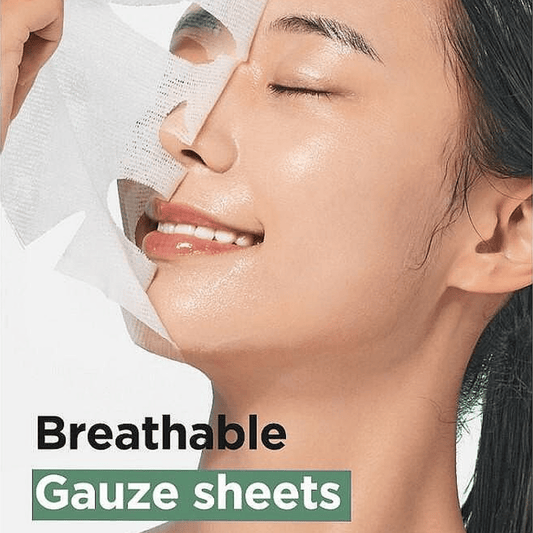
- Mugwort sheet masks: intensive calming for active redness
- Combine with centella or niacinamide for thorough redness care
Explore the collection above to find Korean mugwort products that calm and soothe sensitive skin.