


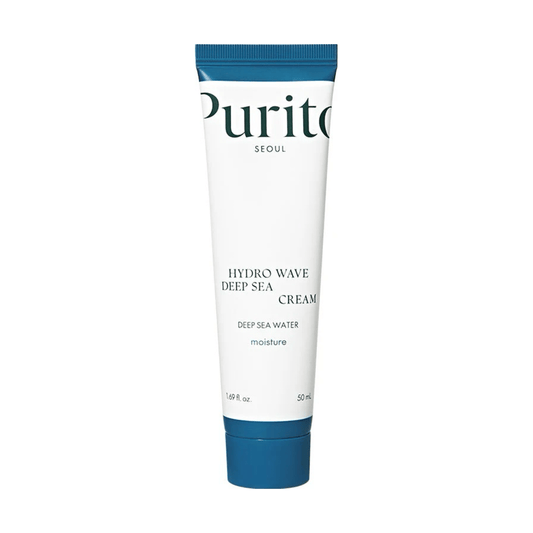










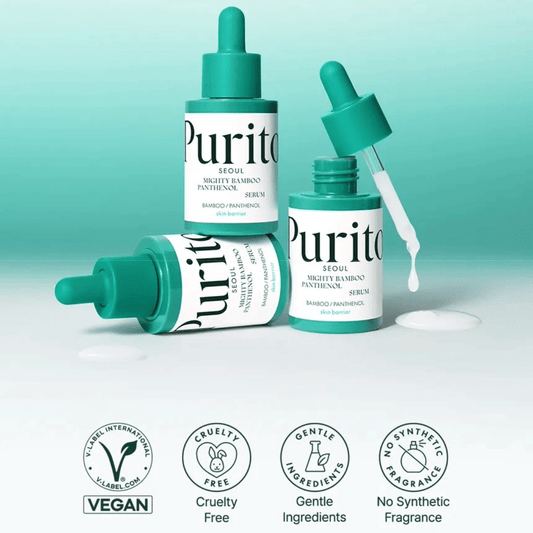


K-Beauty for Sensitive Skin with Allantoin highlights a quiet but highly effective ingredient that works behind the scenes in many Korean formulations. Allantoin soothes irritation, supports cell renewal, and helps the skin retain moisture. It rarely appears as a headline ingredient, but it is one of the most reliable and gentle actives for sensitive skin.
How Allantoin Soothes and Protects Sensitive Skin
Allantoin works by calming irritation and reducing the inflammatory response that causes redness and discomfort. It also has keratolytic properties, meaning it gently loosens dead skin cells on the surface without the harshness of chemical exfoliants. This dual action soothes and smooths at the same time. Allantoin is also a moisturiser in its own right. It helps the skin hold onto water, keeping the outermost layer hydrated and the barrier more intact. For sensitive skin, this combination of calming, smoothing, and moisturising makes allantoin an ideal supporting ingredient in almost any routine step.
- Calms irritation and reduces inflammatory response
- Gently loosens dead cells without harsh exfoliation
- Helps the skin hold onto water for lasting hydration
- Smooths, soothes, and moisturises simultaneously
Is Allantoin Suitable for Very Reactive Skin
Yes. Allantoin has one of the lowest irritation profiles of any active skincare ingredient. It is used in sensitive skin products, baby products, and post-procedure recovery products precisely because of its gentleness. It does not cause stinging, peeling, purging, or photosensitivity. There is no concentration threshold at which it becomes irritating for normal use. For very reactive skin that struggles with even gentle actives, allantoin is one of the safest ingredients to introduce. It can be used twice daily without any adjustment period or gradual introduction.
- One of the lowest irritation profiles of any active ingredient
- Used in baby products and post-procedure care for its gentleness
- No stinging, peeling, purging, or photosensitivity
- Safe for twice-daily use with no adjustment period
Can Allantoin Help Repair a Weakened Skin Barrier
Allantoin supports barrier repair through its cell renewal properties. By encouraging the skin to produce fresh, healthy cells more efficiently, it helps the barrier rebuild its structure naturally. It works best alongside ceramides and panthenol, which provide the lipid and moisture support that complements allantoin's cell renewal action. During active barrier damage, allantoin helps speed recovery without adding any stress to the skin. It is a particularly useful ingredient during the repair phase when stronger actives need to be set aside temporarily.
- Encourages fresh, healthy cell production for barrier rebuilding
- Works best alongside ceramides and panthenol
- Speeds recovery without adding stress to the skin
- Ideal for the repair phase when actives are paused
Where to Find Allantoin in Korean Skincare Products
Allantoin appears across many product types: toners, essences, serums, moisturisers, sleeping masks, and sunscreens. It is rarely the featured ingredient on the label but often sits in the middle of the ingredient list, providing quiet support. Check the ingredient list of centella or panthenol products, as allantoin is frequently included alongside these calming ingredients. Korean products that list allantoin alongside ceramides, centella, and panthenol tend to be particularly well suited for sensitive skin because they cover calming, hydration, and barrier support in a single formula.
- Appears in toners, essences, creams, masks, and sunscreens
- Often a supporting ingredient rather than a headline one
- Frequently paired with centella and panthenol in Korean formulas
- Products with allantoin plus ceramides offer broad sensitive skin support
Explore the collection above to find Korean allantoin products that gently support and soothe sensitive skin.