



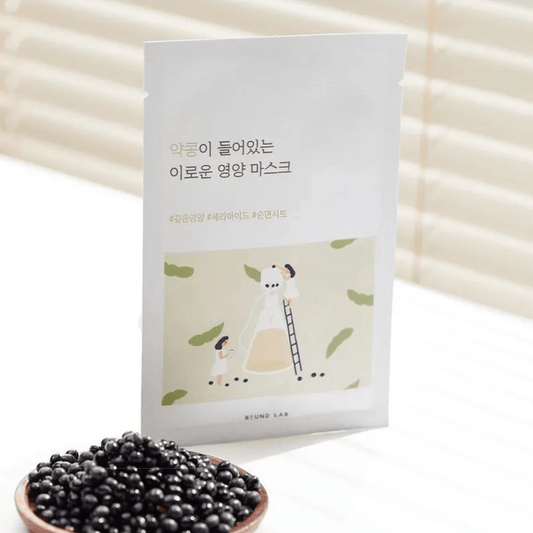

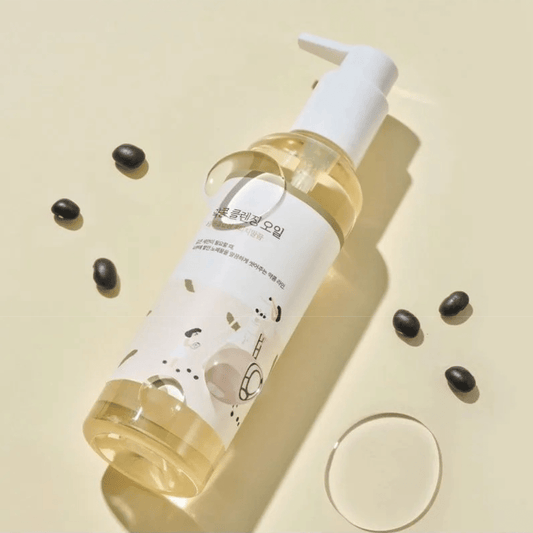

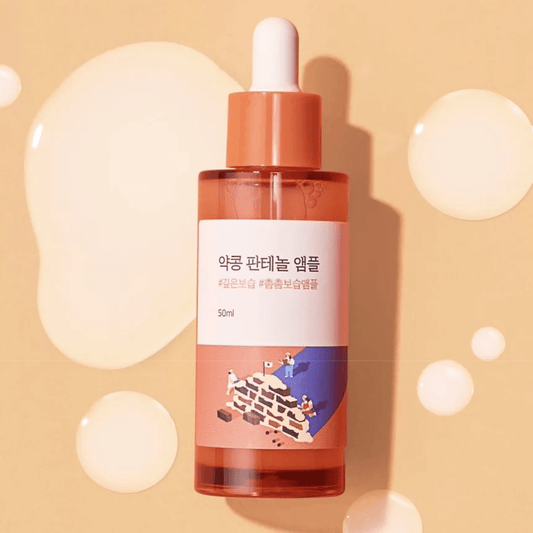

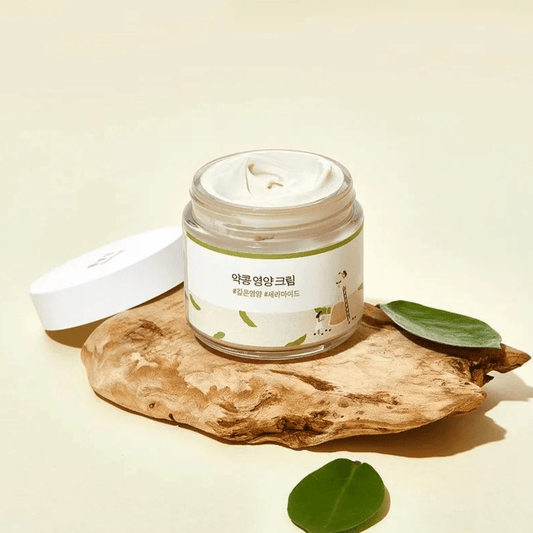








Soybean (Glycine max) has a long history in Korean beauty -- fermented soy products have been part of Korean daily life for centuries, and K-beauty brands have developed this heritage into premium skincare formulations using fermented soybean extracts. For dry skin, soybean offers a multi-benefit package: linoleic acid to support the barrier, isoflavones to gently brighten and support firmness, and fermented forms that deliver concentrated amino acids and vitamins the skin can absorb effectively.
How Soybean Benefits Dry Skin
Soybean oil is rich in linoleic acid (omega-6), an essential fatty acid that strengthens the skin barrier's lipid structure. Dry skin often has a linoleic acid deficit in its barrier, making topical application meaningful for barrier repair. Soy isoflavones -- particularly genistein and daidzein -- are phytoestrogens that may support collagen production and help inhibit tyrosinase, adding gentle brightening to the mix. Fermented soybean produces additional bioactive peptides and increases the bioavailability of all these compounds.
- Linoleic acid strengthens the dry skin barrier's lipid structure
- Isoflavones support gentle brightening through tyrosinase inhibition
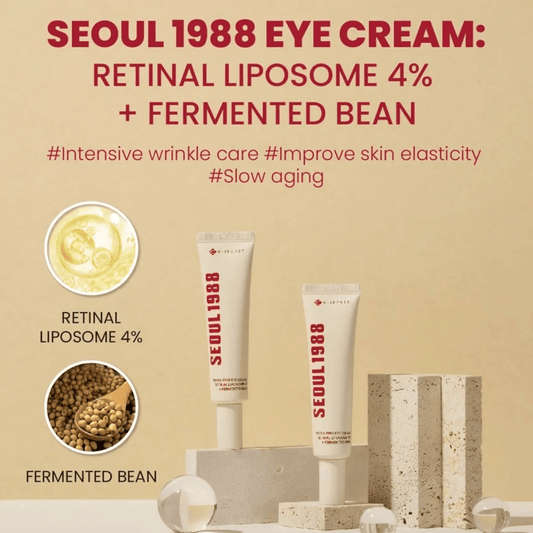
- Fermentation increases bioavailability and adds amino acid content
- Soy lecithin acts as an emollient and absorption enhancer
Korean Fermented Soy Products
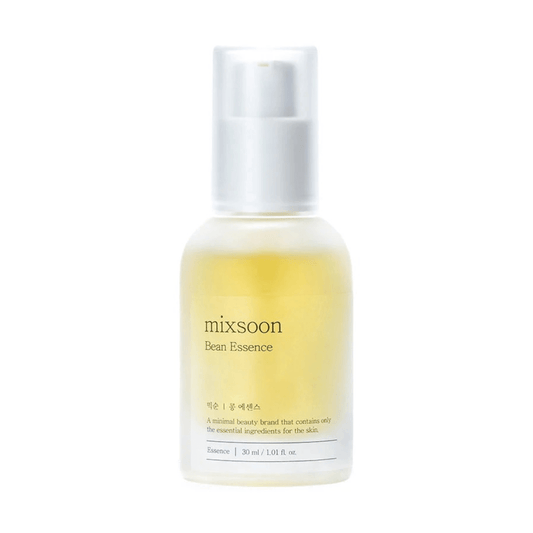
Korean skincare uses soy in both raw and fermented forms, but fermented soybean extract is particularly valued because the fermentation process converts it into smaller, more absorbable molecules while creating beneficial new compounds. First treatment essences and premium essences often feature fermented soy filtrate alongside other fermented ingredients. Hanbang-focused Korean brands like Sulwhasoo use fermented soybean as part of traditional herbal formulations for mature, dry skin.
- Fermented soy filtrate in first treatment essences
- Premium hanbang lines featuring traditional soy ferments
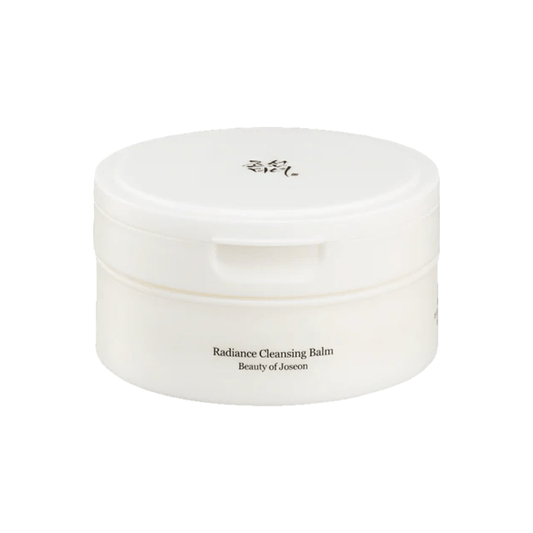
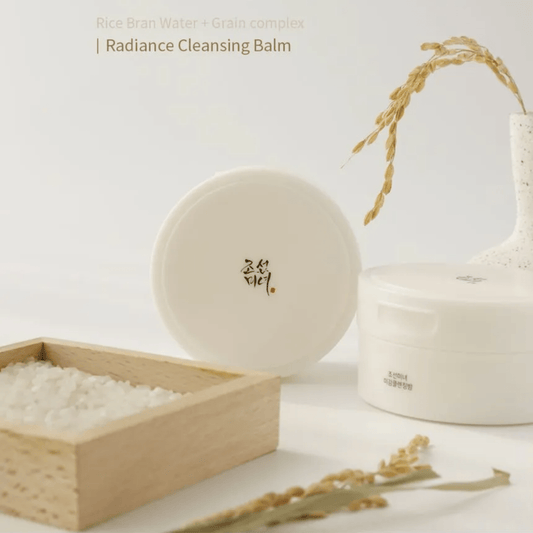
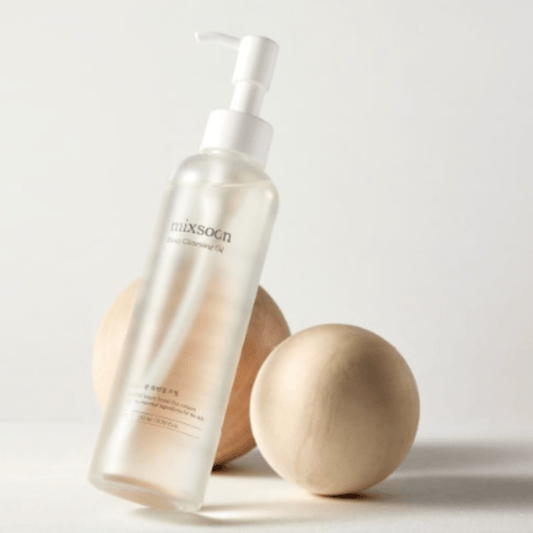
- Soybean oil in cleansing oils and emollient formulas
- Soy lecithin as an absorption enhancer in lightweight serums
Routine Placement
Soybean products fit at multiple points in a dry skin routine. Soy cleansing oils go in the first cleanse step. Fermented soy essences go after toner in the treatment phase. Soy-based moisturisers seal the routine. For maximum benefit to dry skin, using soy products in both the essence and moisturiser steps provides both internal hydration delivery and surface sealing with nourishing fatty acids.
- Cleansing oils: first step of the evening double-cleanse
- Fermented essences: treatment step after toner
- Moisturisers: sealing step with emollient fatty acids
- Morning and evening use without adjustment
Results on Dry Skin
Consistent soybean skincare on dry skin shows improvement in barrier resilience, surface softness, and overall complexion brightness over four to eight weeks. The barrier-strengthening effect of linoleic acid takes several weeks to become apparent, while the hydration and radiance from fermented soy filtrate are often noticeable sooner. Those with soy allergies should patch test carefully before adding soy-prominent products to their routine.
- Barrier resilience improvement over four to eight weeks
- Radiance and hydration improvement often sooner
- Patch test if you have a soy allergy
- Works well alongside niacinamide and hyaluronic acid
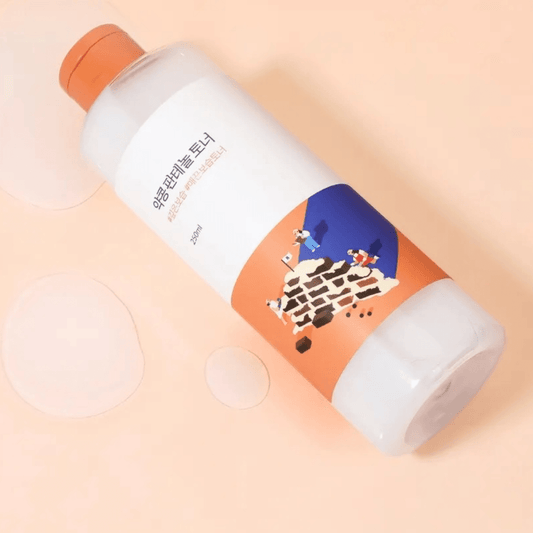
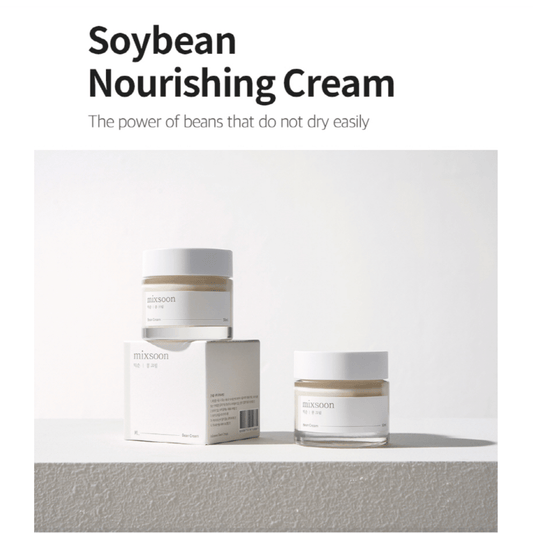
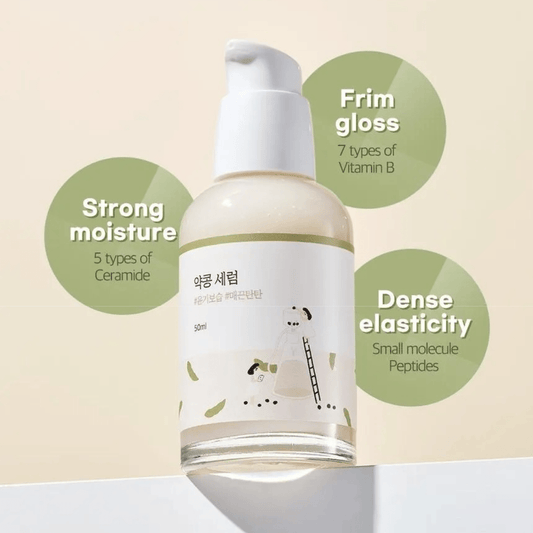
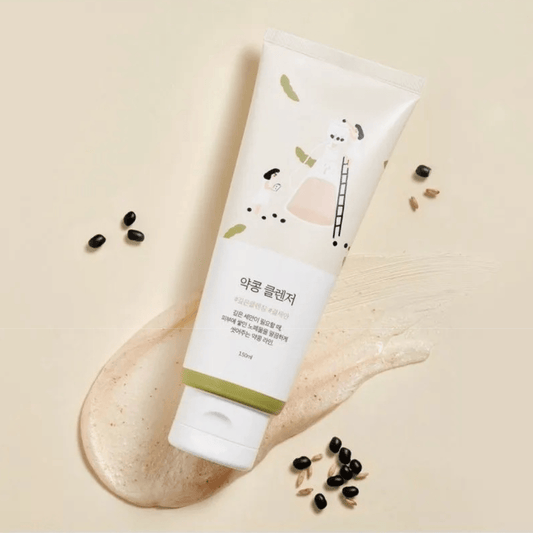
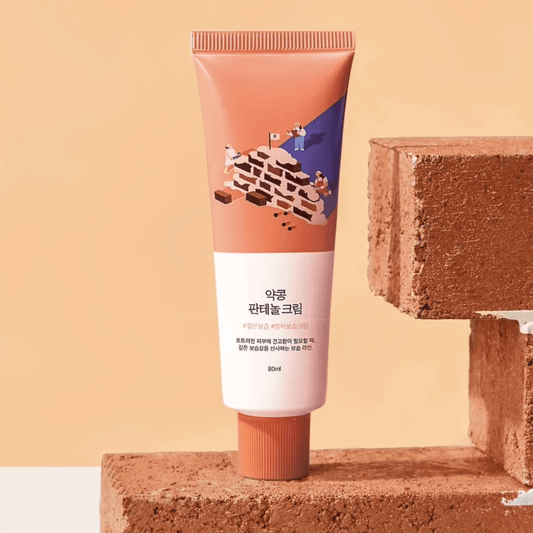
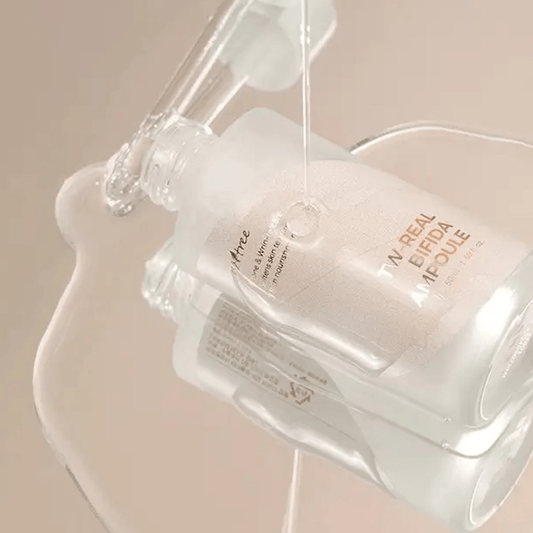
Find Korean soybean products for dry skin below -- fermented soy essences, linoleic-rich oils, and nourishing moisturisers that support the barrier while brightening the complexion.