






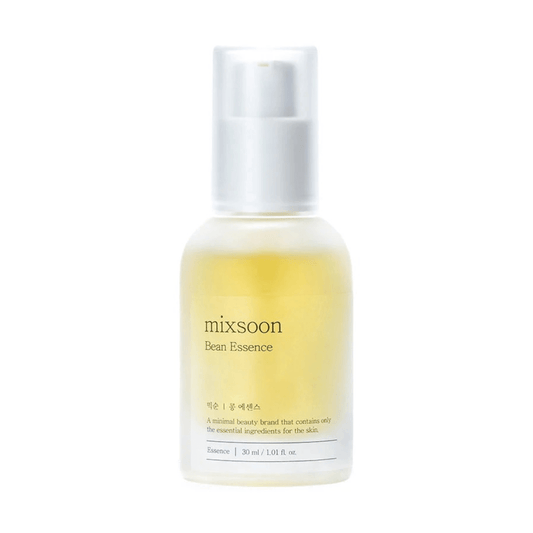


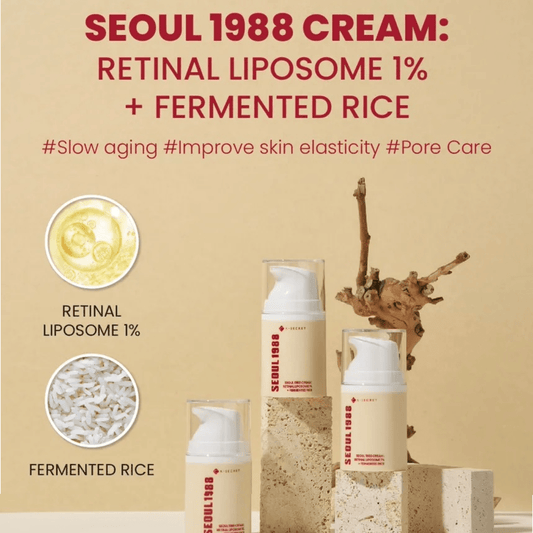



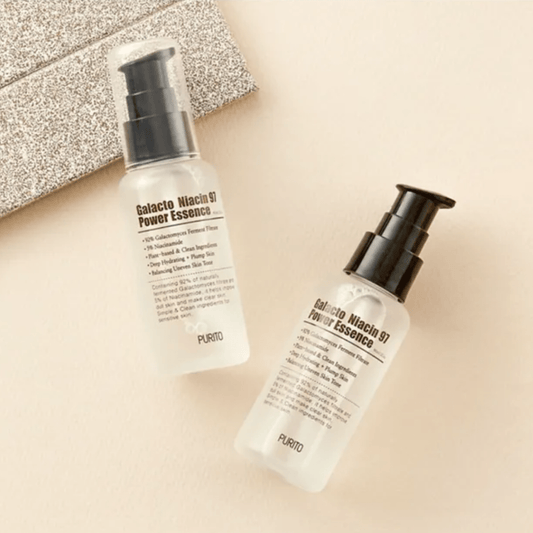



Fermented skincare is one of Korean beauty's most significant contributions to the global industry. The process of fermenting ingredients -- using bacteria, yeast, or fungi to break down plant materials -- creates smaller molecules, higher concentrations of amino acids and vitamins, and new beneficial byproducts not present in the original ingredient. For dry skin, this matters because smaller molecules penetrate the barrier more effectively, and the amino acids produced during fermentation are core components of the skin's Natural Moisturising Factor.
What Fermentation Does
Fermentation converts large molecules into smaller, more bioavailable ones that reach deeper into the skin. The process also creates beneficial organic acids, peptides, and B vitamins that were not present in the original botanical. These compounds support cell renewal, hydration, and a more radiant complexion. Ferment filtrates -- the liquid produced by fermentation -- are rich in all these components and represent one of the most nutrient-dense ingredients in Korean skincare. Galactomyces ferment filtrate, used in SK-II Pitera, is one of the most famous examples.
- Smaller molecules penetrate dry skin barriers more effectively
- Amino acids replenish the Natural Moisturising Factor
- Organic acids support gentle, natural cell renewal
- B vitamins and minerals nourish skin from within
Types of Korean Fermented Ingredients
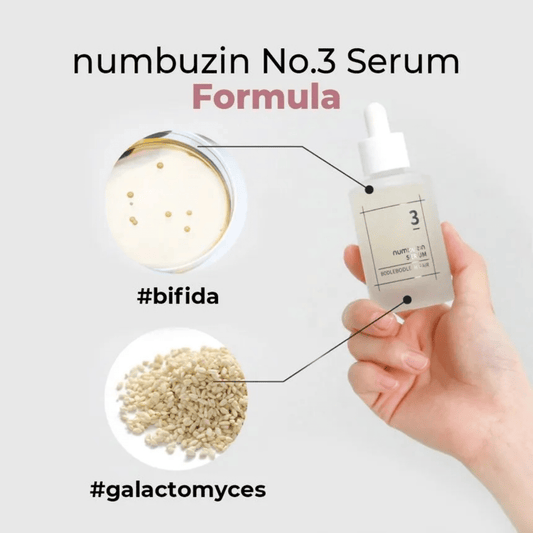
Korean skincare ferments many substrates. Galactomyces (from yeast) is the most well-known, used in premium first treatment essences. Saccharomyces ferment filtrate provides similar benefits. Fermented rice filtrate (sake) is rich in amino acids, vitamins, and kojic acid for gentle brightening. Bifida ferment lysate supports the skin's barrier and microbiome. Fermented centella, fermented ginseng, and fermented black bean extracts also appear in Korean formulations, each amplifying the benefits of their original ingredient through fermentation.
- Galactomyces -- iconic ferment for radiance and hydration
- Saccharomyces -- similar brightening and NMF-supporting profile
- Fermented rice -- amino acids and mild kojic acid brightening
- Bifida ferment -- barrier and microbiome support
How to Use Fermented Products
First treatment essences -- the most iconic fermented product format -- go on immediately after cleansing, before toner. They represent the first active step of a Korean routine and set the foundation for everything that follows by improving skin's absorption of subsequent products. Other fermented serums and essences slot into the standard treatment step after toner. Both morning and evening use is appropriate for most fermented products. Those with yeast-related skin conditions (fungal acne, malassezia) should exercise caution with yeast-derived ferments.
- First treatment essence: immediately after cleansing, before toner
- Other fermented serums: in the treatment step after toner
- Morning and evening use for most fermented products
- Caution for malassezia-prone skin with yeast-derived ferments
What Dry Skin Gains
For dry skin, consistent use of fermented products typically shows improvement in skin's natural moisture retention, surface radiance, and texture smoothness over four to eight weeks. The amino acids replenish NMF, supporting the skin's internal moisture-retention mechanisms. The radiance improvement is often the first visible sign -- fermented ingredients tend to give dry, dull skin a more luminous appearance within one to two weeks of starting use.
- Improved natural moisture retention over four to eight weeks
- Radiance improvement often visible within one to two weeks
- Smoother surface texture as NMF is replenished
- Enhanced absorption of other routine products applied after
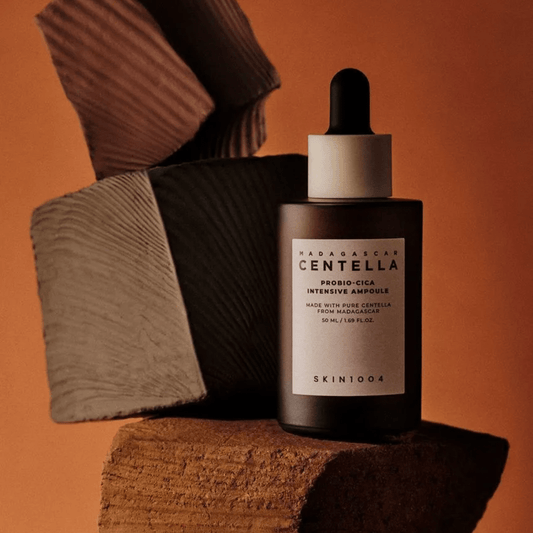
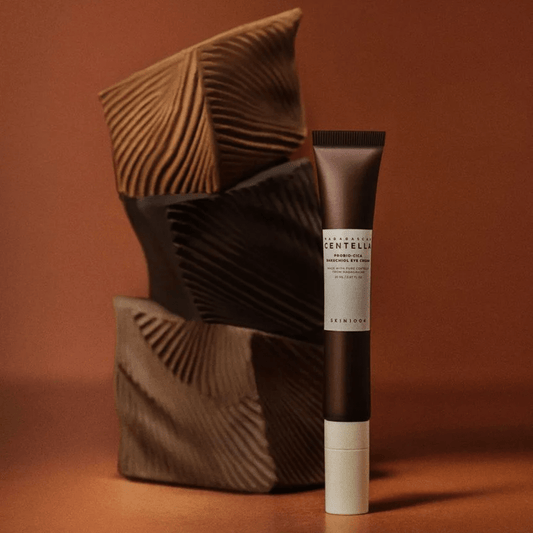
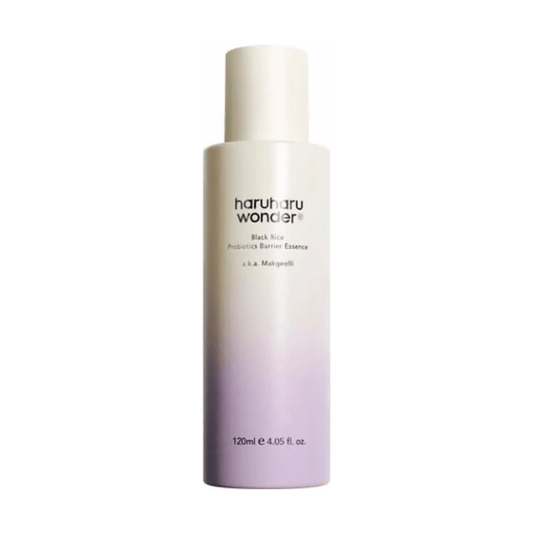
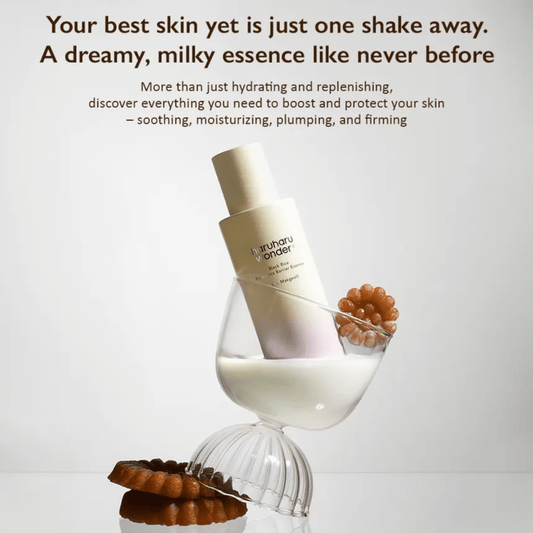
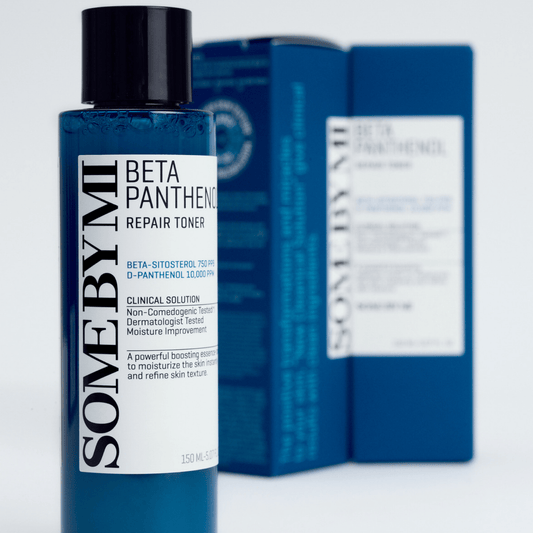
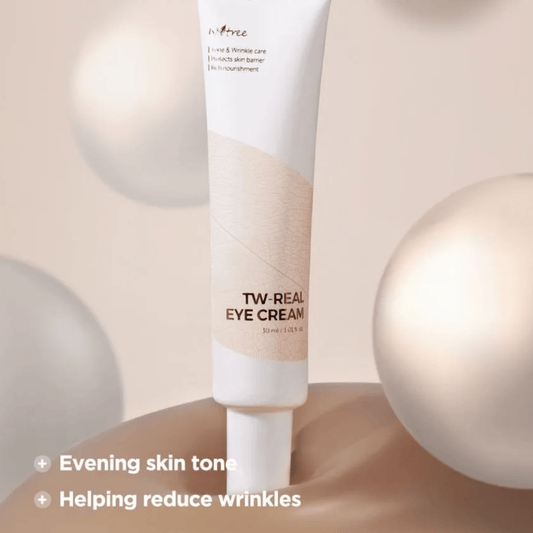
Find Korean fermented skincare for dry skin below -- first treatment essences, fermented serums, and essences that deliver deep hydration and lasting radiance.