

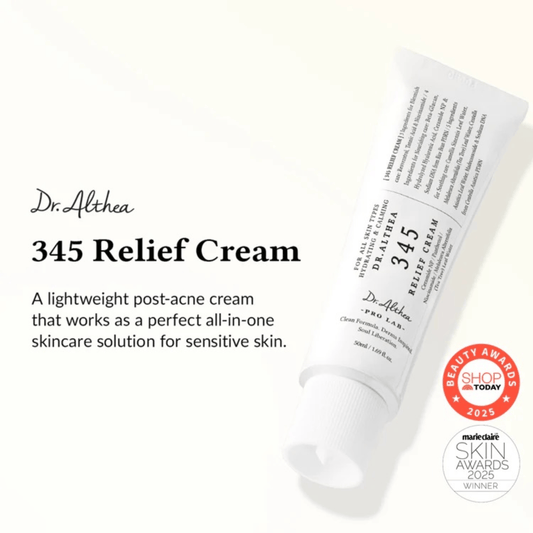
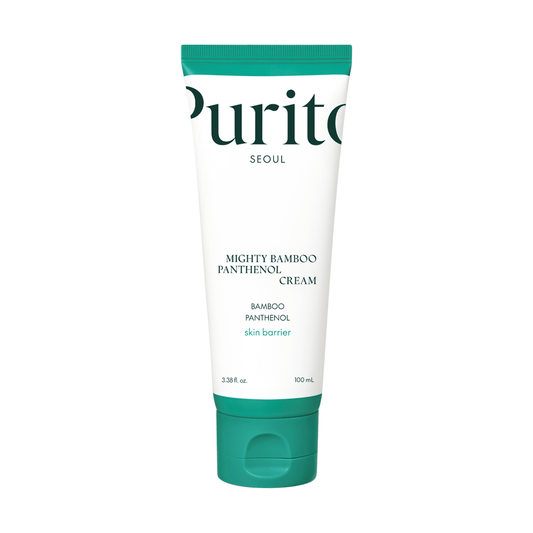
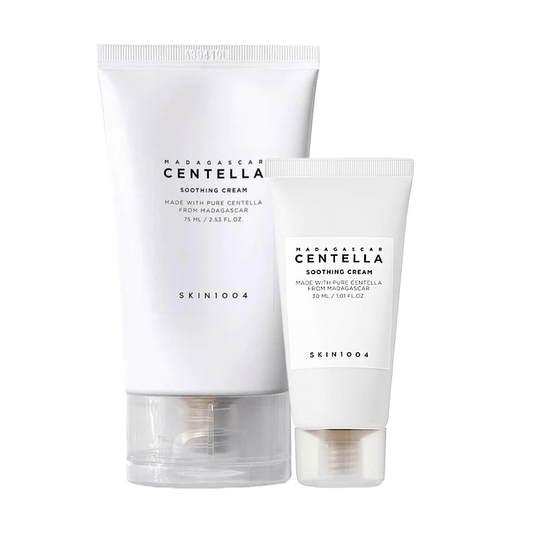
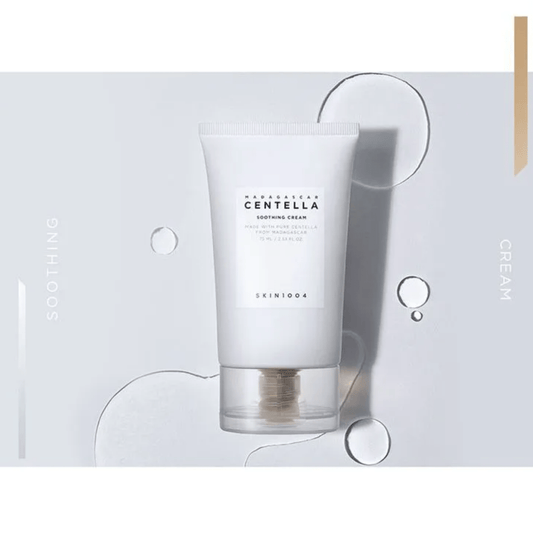
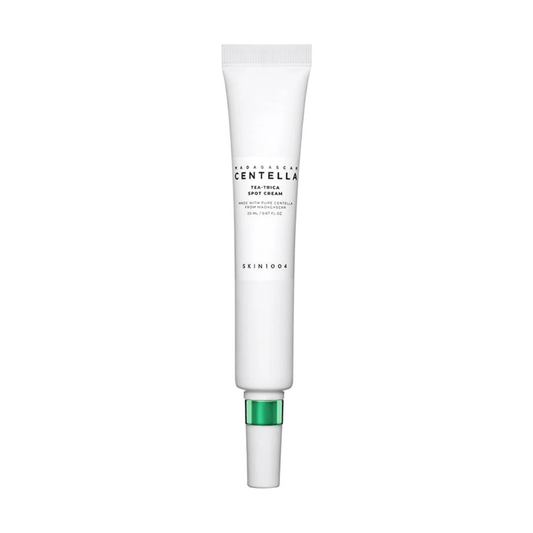
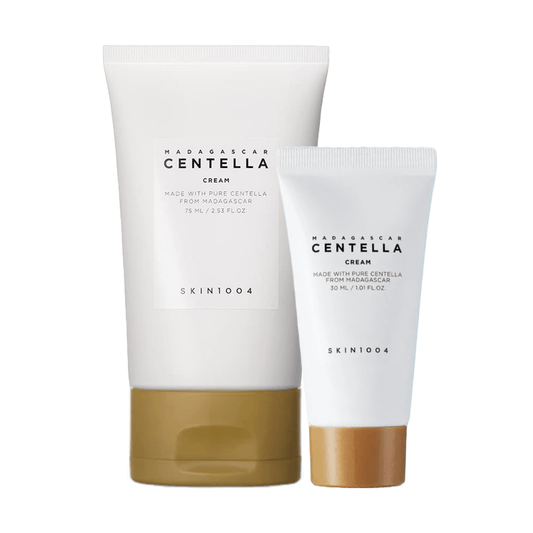
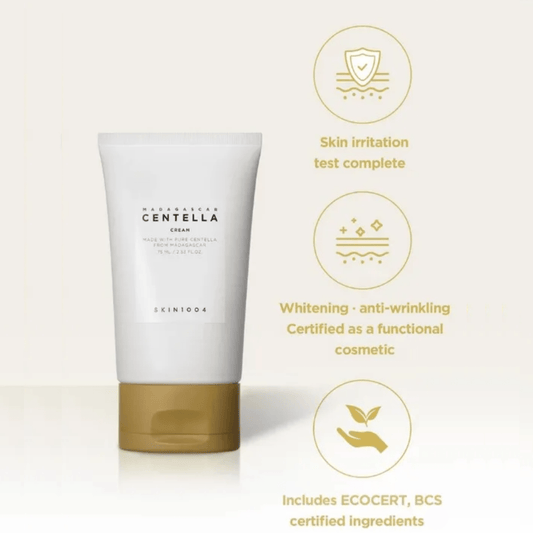

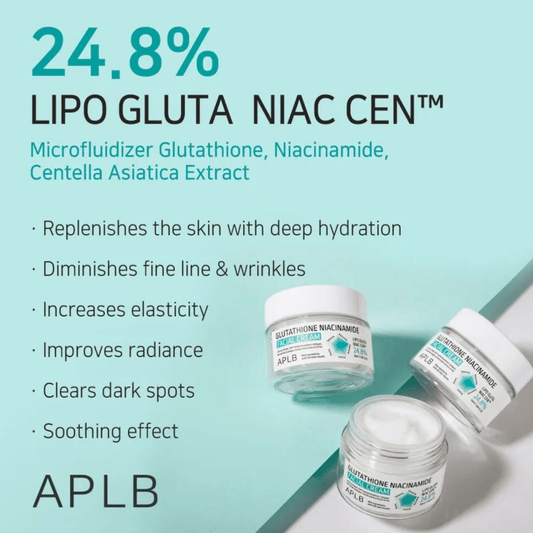



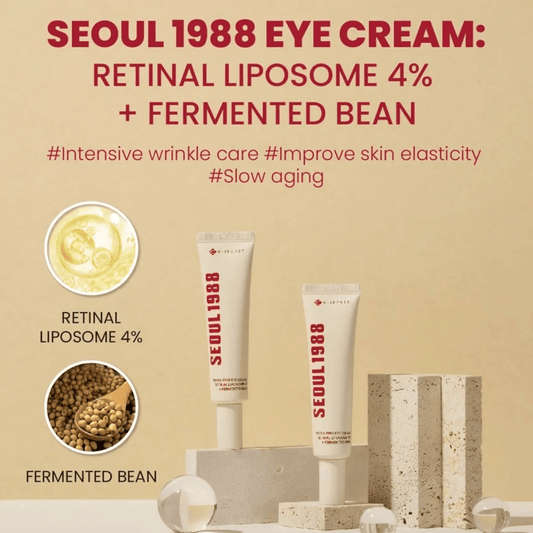

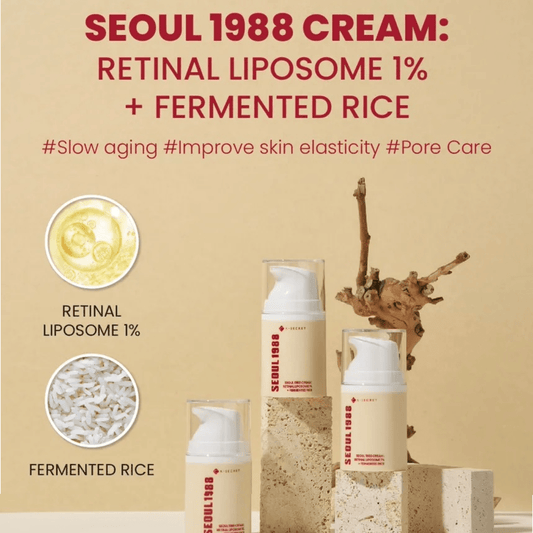

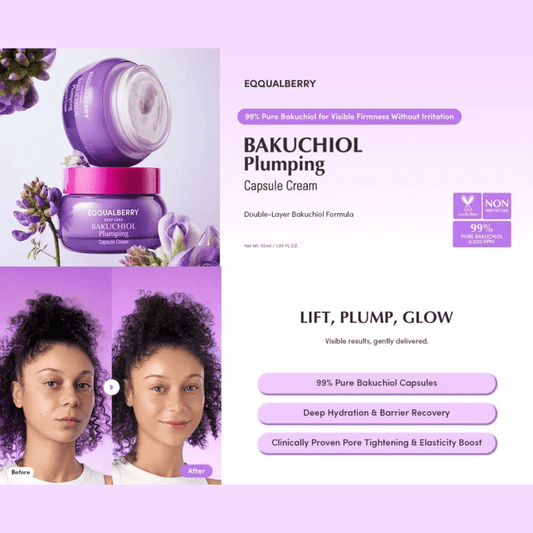

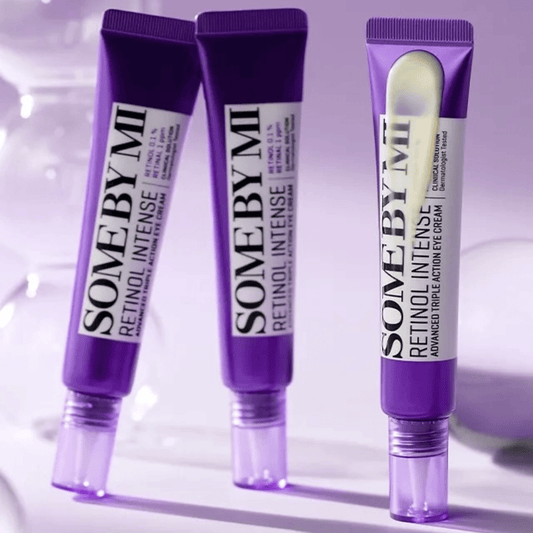

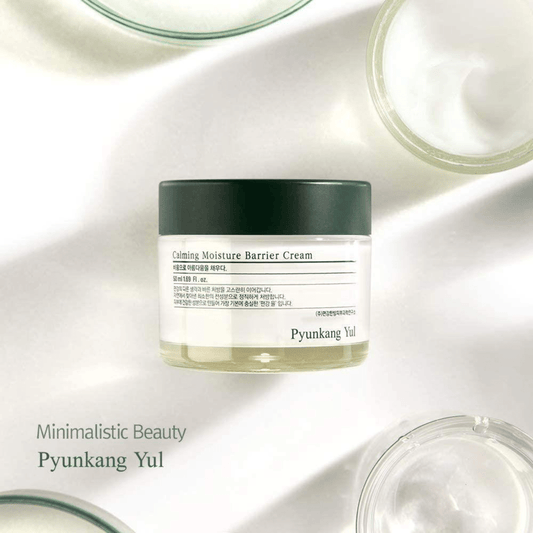

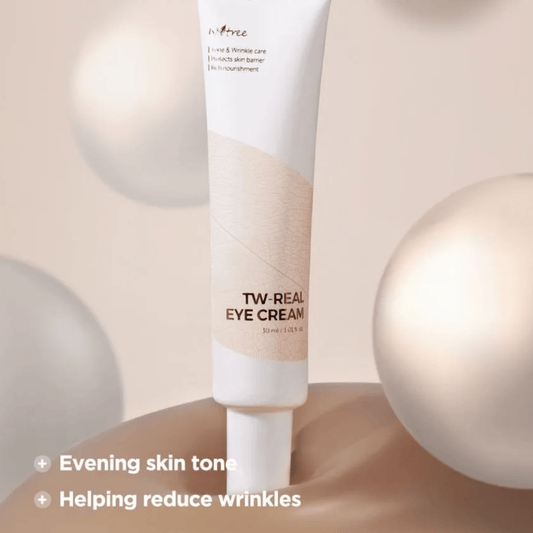

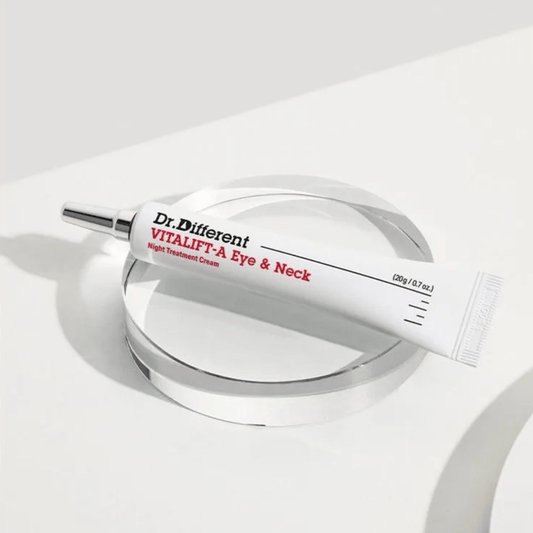

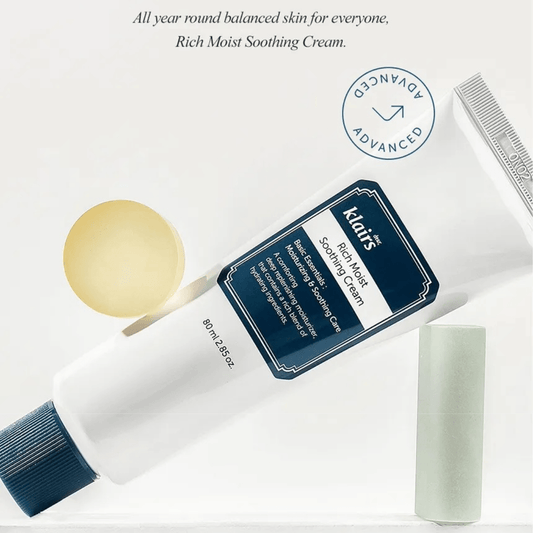

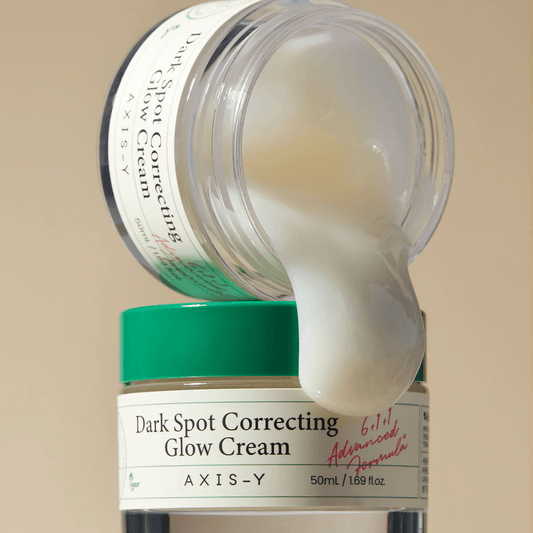
K-Beauty Creams for Uneven Tone address the patches, discolouration, and inconsistency that make skin look more troubled than it actually is. Korean skincare has developed some of the most effective and gentle approaches to Uneven Tone in the world, and in a cream format, those actives come with the comfort and barrier support that consistent daily use requires.
What Ingredients Help a Cream Correct Uneven Tone
Korean brightening actives work through several different mechanisms, and the best creams for Uneven Tone combine more than one. Niacinamide inhibits melanin transfer to the skin surface, the most common and reliable brightening approach in Korean skincare. Tranexamic acid targets UV-induced and inflammation-driven pigmentation at the production stage. Arbutin, a gentler alternative to hydroquinone, gradually fades brown patches and post-breakout marks. Vitamin C derivatives provide antioxidant protection while directly brightening the surface. Together, these ingredients address Uneven Tone from multiple angles for a more complete and lasting result. Uneven skin tone results from irregular melanin distribution, post-inflammatory pigmentation, vascular redness, and the dullness of accumulated dead skin cells at the surface.
- Niacinamide to inhibit melanin surface transfer
- Tranexamic acid for UV and inflammation pigmentation
- Arbutin to fade brown patches and marks
- Vitamin C derivatives for protection and brightness
How Long a Cream for Uneven Tone Takes to Show Results
Surface-level discolouration, recent post-breakout marks and mild sun spots, typically responds within four to six weeks of consistent twice-daily use. More established, deeper pigmentation takes longer: eight to twelve weeks before a clear change is visible. Consistency is more important than concentration: a moderate-strength brightening cream used every morning and evening outperforms an intensive formula used sporadically. Daily SPF is non-negotiable alongside any Uneven Tone cream, UV exposure continues to drive pigmentation and will reverse any brightening progress made by the cream if the skin is left unprotected. Uneven skin tone results from irregular melanin distribution, post-inflammatory pigmentation, vascular redness, and the dullness of accumulated dead skin cells at the surface.
- Recent marks respond in four to six weeks
- Deeper pigmentation takes eight to twelve weeks
- Twice daily consistency outperforms occasional intensive use
- Daily SPF is essential for lasting results
Can You Use a Cream for Uneven Tone on Sensitive Skin?
Yes, Korean brightening creams are generally well-suited to sensitive skin because they use gentle actives at moderate concentrations rather than the aggressive, high-dose approaches that can cause irritation. Niacinamide, arbutin, and tranexamic acid are all well-tolerated on reactive skin types. If your Uneven Tone is accompanied by redness or sensitivity, look for a Korean cream that combines brightening actives with centella asiatica or allantoin, these calm the inflammation that often drives pigmentation while the brightening ingredients address the visible result. Sensitive skin is characterised by a lower irritation threshold, it reacts to stimuli that normal skin tolerates without issue, including temperature, friction, and ingredients.
- Gentle Korean actives suit sensitive skin
- Niacinamide, arbutin, and tranexamic acid well-tolerated
- Combine with centella for reactive skin with redness
- Calming inflammation also reduces pigmentation drivers
Explore the collection above. K-Beauty Creams for Uneven Tone deliver real brightening results with the gentleness and consistency that defines Korean skincare.