
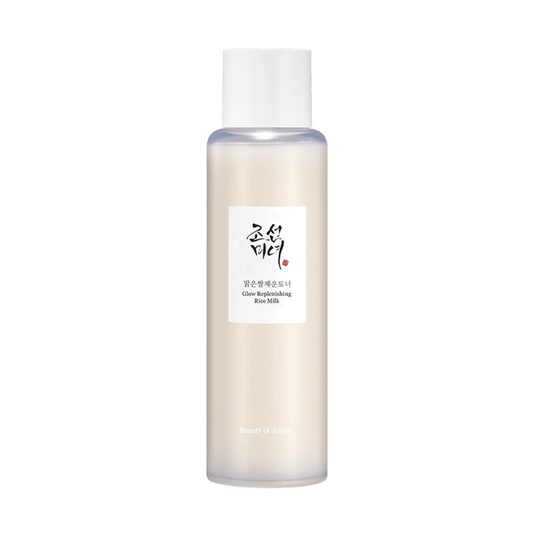
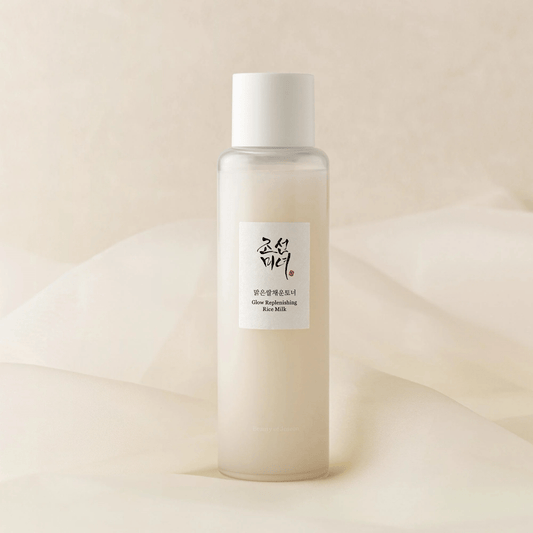

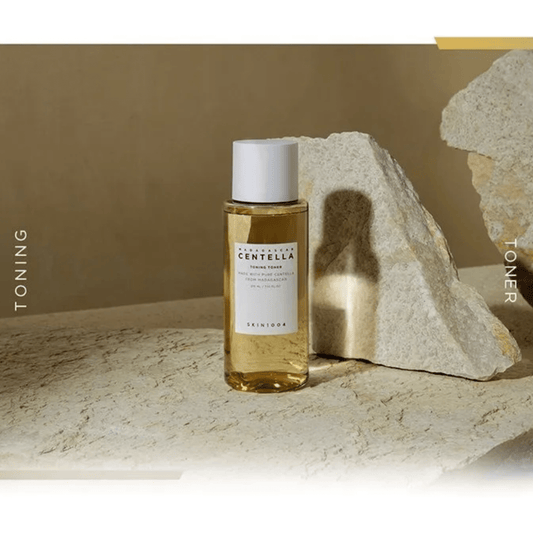
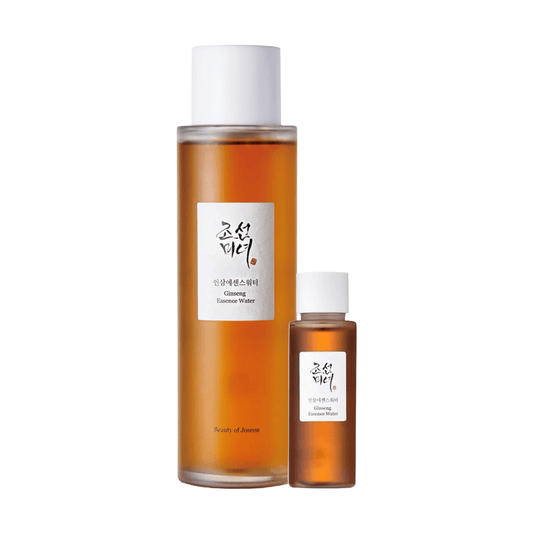


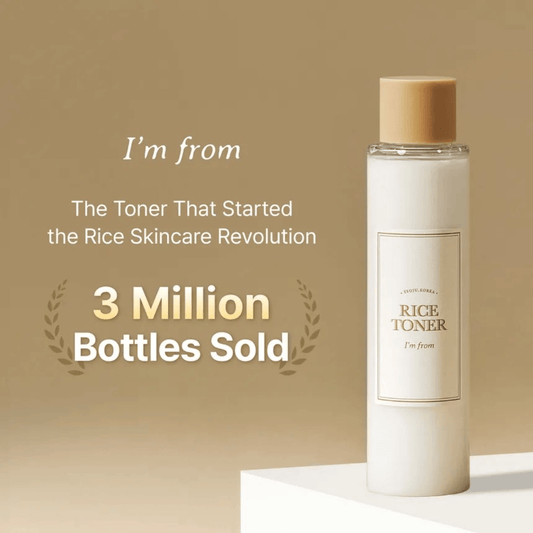

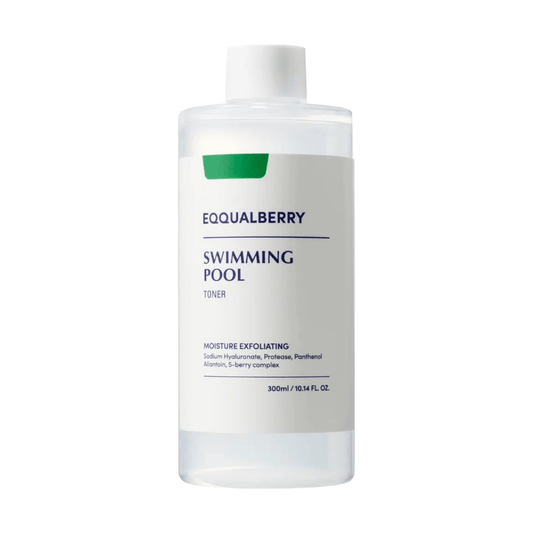

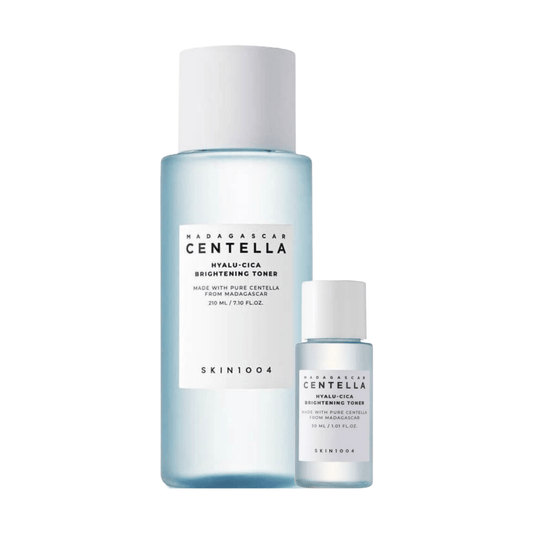






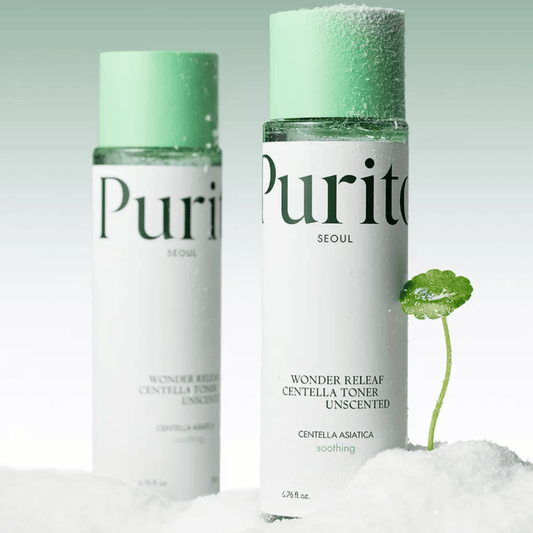
Hydrating Toners close the cleansing step and open the treatment step. Applied to freshly washed skin, they restore a soft, balanced feel and ensure the skin is ready to absorb what comes next. When the formula is right, a good toner is one of the most rewarding parts of a routine.
What Makes a Toner Hydrating Rather Than Stripping
The difference between a hydrating toner and a stripping one comes down to the ingredient list. Alcohol-heavy formulas evaporate quickly and leave the skin feeling tight - that sensation is not cleanliness, it is disruption. A genuinely hydrating toner replaces lost moisture immediately after washing. Look for humectants like hyaluronic acid, glycerin, or beta-glucan, and avoid anything that lists alcohol as a top ingredient. The feel after application should be soft, not dry.
- Avoid alcohol as a primary ingredient
- Look for hyaluronic acid or glycerin
- Should feel soft, not tight, after use
- Fragrance-free formulas are gentler
Hands or Cotton Pad
Both application methods work, but they deliver different experiences. A cotton pad offers light physical contact that can help with even distribution and removes any final traces of residue. Patting in with clean hands is gentler, wastes less product, and is often preferable for sensitive or dry skin. Try both and use the method that feels most comfortable for your skin type. Whichever you choose, press rather than wipe to encourage absorption rather than drag.
- Cotton pad for thorough distribution
- Hands for a gentler, less wasteful application
- Always press, never drag
- Either method works on most skin types
Can a Hydrating Toner Replace an Essence
A good hydrating toner does some of the same work as an essence - it conditions and softens. For minimal routines, a well-formulated hydrating toner may be enough. However, if your skin is very dry or dehydrated, adding an essence on top of the toner gives an extra layer of conditioning before your serum. Think of the toner as the base and the essence as an optional deepening step, rather than direct replacements for each other.
- A hydrating toner can work alone for simple routines
- An essence deepens hydration on dry skin
- Both complement each other well
- Try starting with just the toner and building from there
Ingredients That Work Best
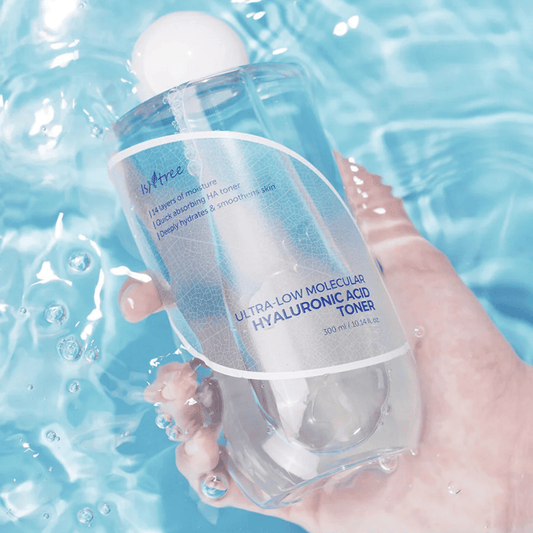
For a hydrating toner to genuinely condition the skin, it needs humectants that attract moisture and emollients that smooth the surface. Hyaluronic acid is the most widely used. Ceramides support barrier integrity. Niacinamide balances and brightens gently. Allantoin and panthenol soothe and soften. The best hydrating toners combine several of these in a lightweight, water-based formula that absorbs quickly without leaving a sticky finish on the skin.
- Hyaluronic acid for moisture attraction
- Ceramides for barrier support
- Niacinamide for gentle balance
- Panthenol and allantoin for softness
Sensitive and Eczema-Prone Skin
For easily sensitised skin, a hydrating toner is one of the safest and most beneficial steps to add. Choose formulas that are free from fragrance, dyes, and alcohol, and look for barrier-supporting ingredients like ceramides and beta-glucan. Avoid toners with exfoliating acids unless designed specifically for sensitive use. Applied gently twice daily, a calming hydrating toner can help reduce the feeling of tightness and support a more settled, comfortable complexion over time.
- Fragrance-free and alcohol-free formulas only
- Ceramides and beta-glucan for barrier support
- Avoid acids on reactive skin
- Twice-daily use builds comfort over time
From first-step hydration to barrier-supporting care, you will find a range of hydrating toners here that feel gentle from the very first use.
