
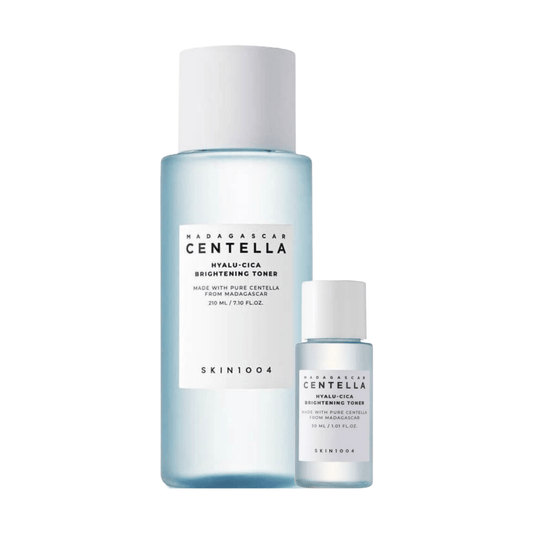
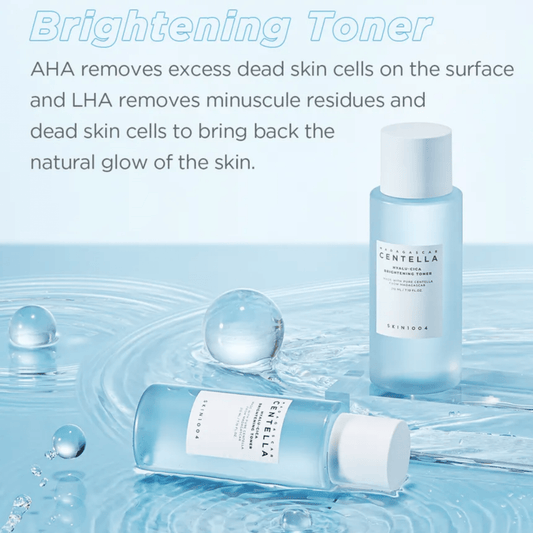

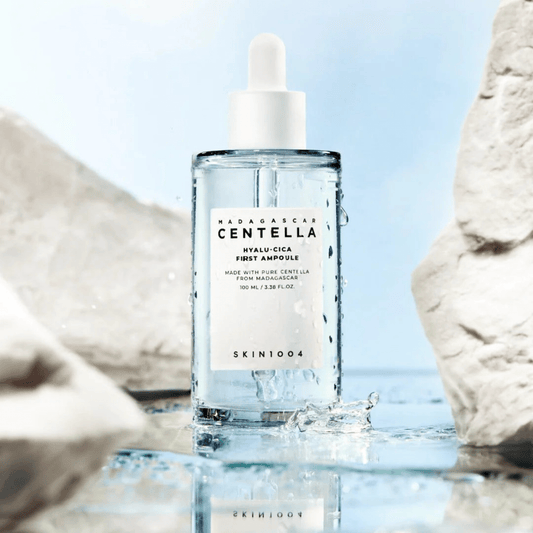


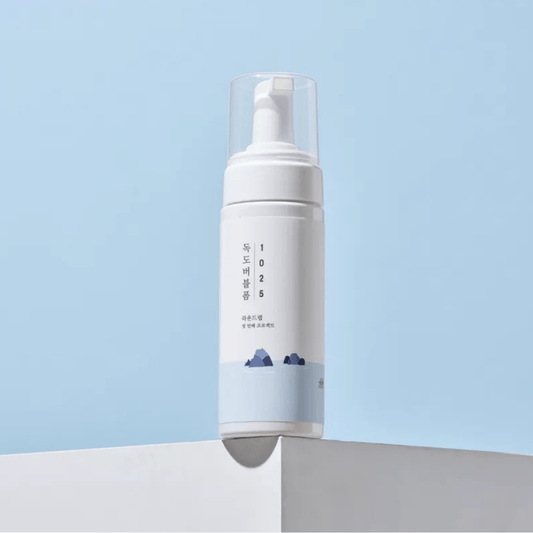

Hyaluronic acid works best when paired with the right supporting ingredient for your skin's needs. K-Beauty Hyaluronic Acid with Salicylic Acid combines two complementary actives in Korean formulas that layer smoothly, absorb quickly, and deliver moisture your skin holds onto through the entire day.
The Role of Salicylic Acid in This Blend
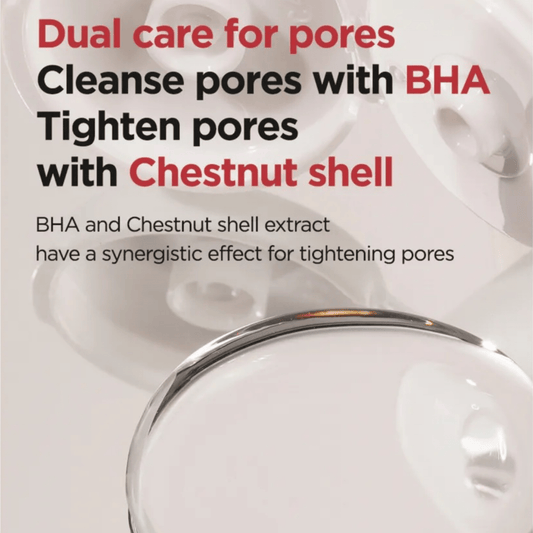
Salicylic Acid brings targeted support that complements hyaluronic acid's moisture-drawing ability well. Salicylic acid is a beta-hydroxy acid (BHA) derived originally from willow bark. It is oil-soluble, which means it can penetrate into pores to exfoliate from within. While hyaluronic acid pulls water into the upper layers of the skin, salicylic acid adds its own gentle benefit to help the skin feel softer, calmer, and more settled throughout the day. Korean brands often combine these two in serums and essences where both ingredients can absorb fully without one blocking the other. The pairing creates a routine step that handles hydration and targeted care at the same time, keeping your steps minimal and your skin comfortable.
- Salicylic Acid adds its own targeted skin support
- Hyaluronic acid draws moisture into upper layers
- Korean formulas keep both ingredients working
- One step covers hydration and gentle care
How Your Skin Benefits from This Blend
Combining hyaluronic acid with salicylic acid creates a product that addresses more than one concern at the same time, which makes your routine more efficient. The hydrating base from hyaluronic acid helps with tightness, dullness, and surface dryness that makes skin look tired. Salicylic Acid adds its own set of targeted benefits that complement the moisture layer underneath. Customers searching for salicylic acid are usually dealing with blackheads, breakouts, or oily/congested skin. Together they help the skin look calmer, softer, and more balanced throughout the day. The gentle nature of both ingredients makes this pairing comfortable for skin that reacts easily to stronger actives or heavy, rich textures.
- Addresses tightness and surface dryness
- Salicylic Acid adds targeted care for visible concerns
- Calmer, more balanced-looking skin overall
- Gentle enough for reactive or sensitive skin
The Sensory Feel of This Hydrating Pairing
Products combining hyaluronic acid with salicylic acid tend to have a smooth, gel-like texture that glides on easily and absorbs within moments. The hyaluronic acid base gives a slightly slippery feel during application, but it settles quickly without leaving a sticky film behind. Salicylic acid products are typically clear, lightweight, and watery. The finish is dewy rather than greasy, with skin feeling plumper, softer, and smoother to the touch after application. These Korean formulas sit well under moisturiser and sun protection without pilling, heaviness, or adding unwanted weight. The result is a calm, fresh, comfortable feeling that lasts through the morning or evening.
- Smooth gel-like texture glides on easily
- Absorbs quickly without a sticky film
- Dewy finish rather than greasy or heavy
- Layers cleanly under moisturiser and SPF
Morning and Evening Routine Placement
Apply products with hyaluronic acid and salicylic acid to damp skin right after toning for the best possible absorption. This step sits between toner and moisturiser in both morning and evening routines. In the morning, it creates a hydrated, calming base under sun protection. In the evening, it supports overnight recovery while you sleep. Always follow with a moisturiser to lock the moisture in place. Hyaluronic acid draws water into the skin effectively, but without a sealing layer on top, that moisture can escape. Both morning and evening use is safe and gives the best steady results.
- Apply to damp skin right after toning
- Use morning and evening for steady results
- Follow with moisturiser to seal moisture in
- Keep the layer thin for full absorption
Scroll up to explore the complete range. Each product here brings soft, lasting moisture your skin holds onto through the day. Find the one that works best for your routine.