

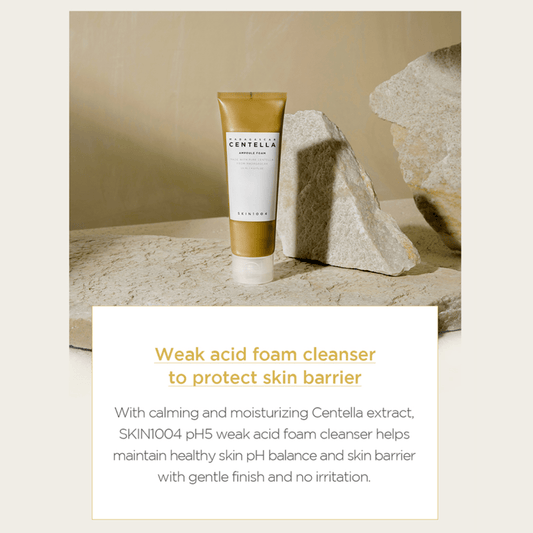




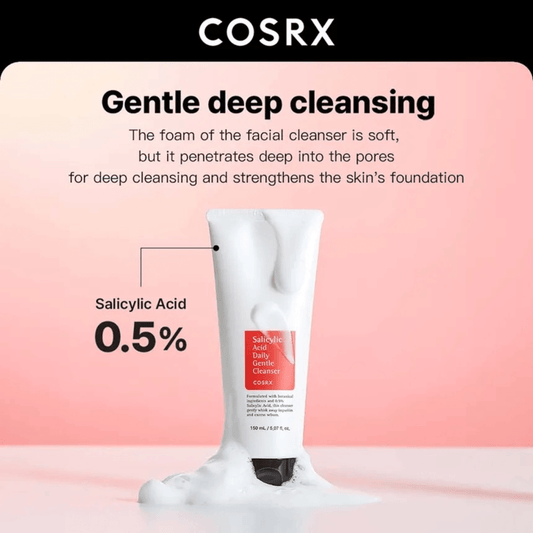

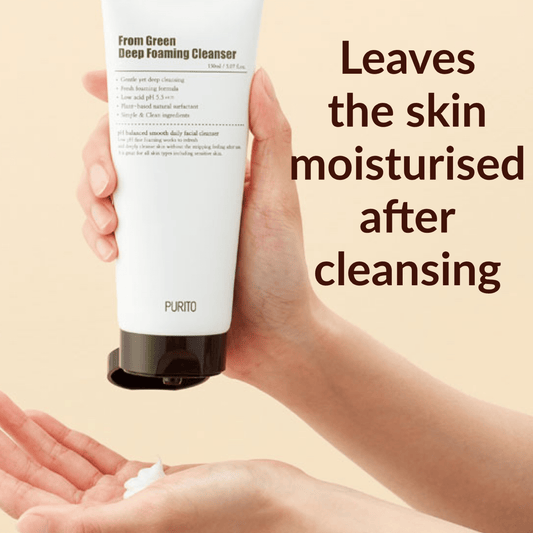

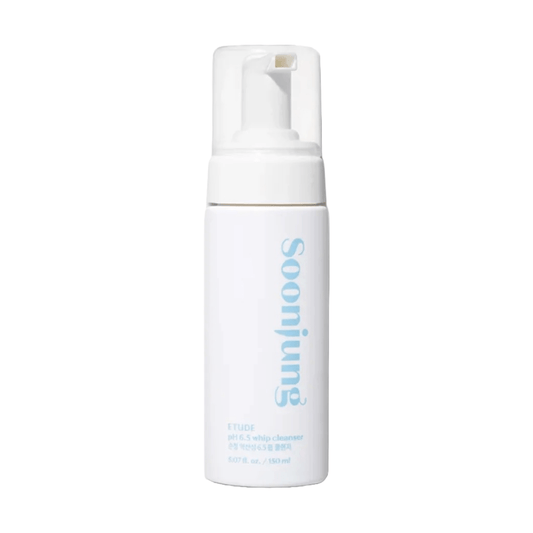


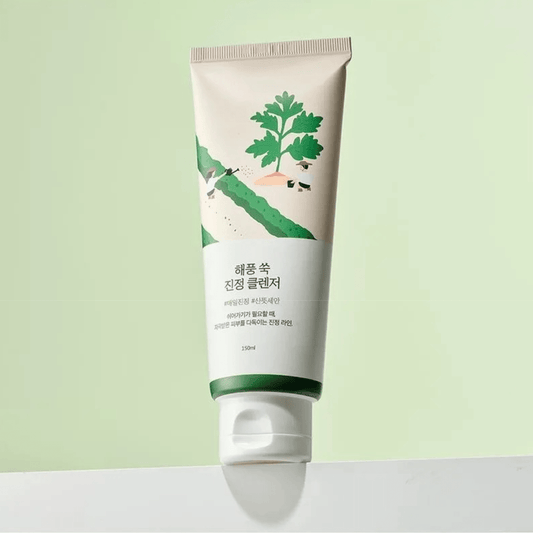

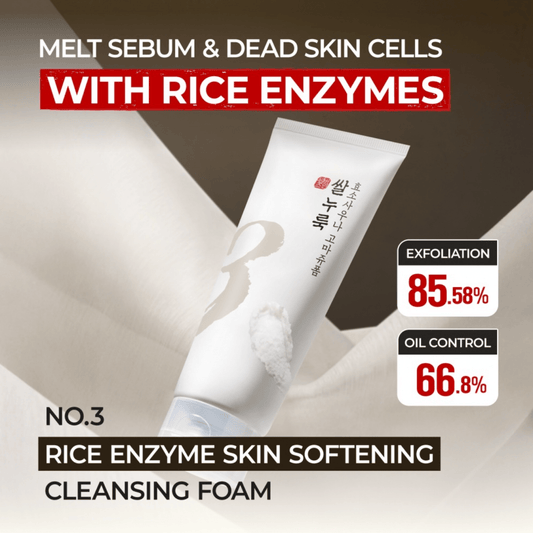

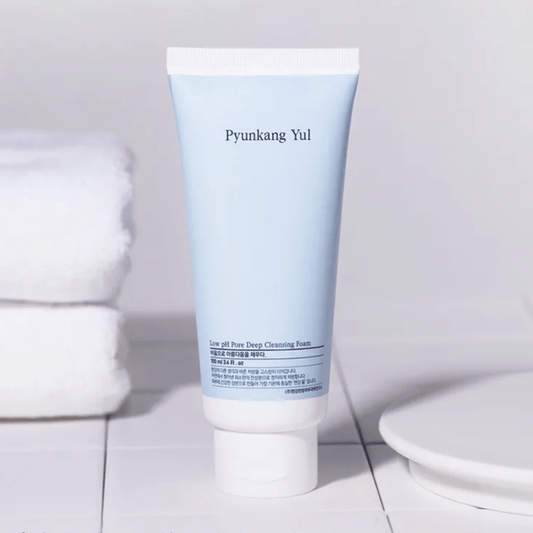


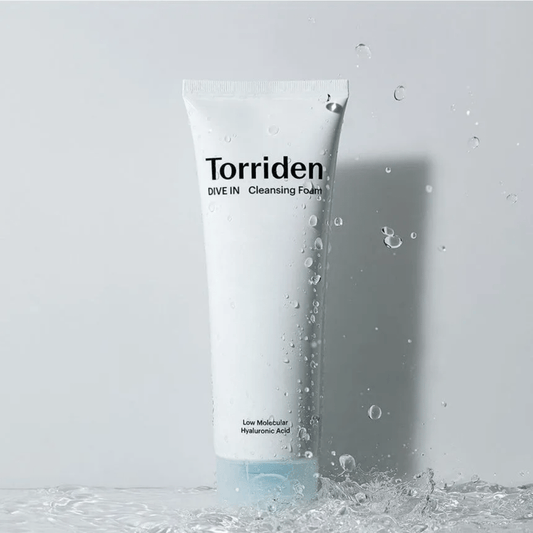



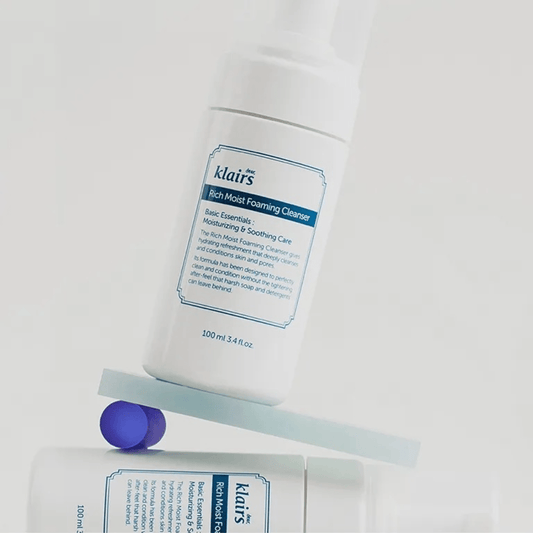

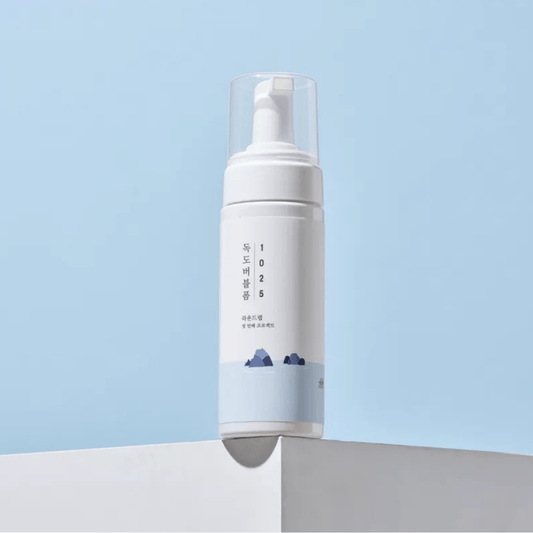
Cleansing Foams are a staple in many skincare routines because they deliver a satisfying, thorough cleanse in a texture that feels light and easy to use. The foam lather helps the formula spread evenly across the skin, ensuring even coverage without any dragging or friction. When the formula is chosen carefully, foaming cleansers can be gentle enough for daily use on most skin types.
Are Foaming Cleansers Suitable for Dry or Sensitive Skin
Older-generation foaming cleansers often used harsh surfactants that disrupted the skin barrier. Modern foam cleansers have changed significantly - many now use mild, skin-compatible surfactants that cleanse effectively without stripping. For dry or sensitive skin, look for foam cleansers with added glycerin or ceramides, which help replace any moisture lost during cleansing. Fragrance-free formulas are the safest choice for reactive skin types.
- Modern foam formulas are significantly gentler
- Glycerin and ceramides restore moisture during cleansing
- Choose fragrance-free for dry or sensitive skin
- Mild surfactants cleanse without stripping
Foam vs Gel Cleanser - What is the Difference
A gel cleanser is a transparent or translucent product that you lather on the skin by hand. A foaming cleanser either comes pre-foamed in a pump dispenser or foams up when activated with water. Both remove impurities effectively. The foam format tends to feel lighter and more even in coverage. Gel cleansers can feel more controlled and are sometimes preferred by oily skin types who like a more substantial product in hand. Both can be gentle or potent depending on the formula.
- Foam: pre-lathered, light, even coverage
- Gel: transparent, lathered by hand
- Both are effective at removing daily impurities
- Gel suits oily skin; foam suits most types
Do Foam Cleansers Disrupt the Moisture Barrier
The surfactants that create foam are the key factor. Harsh surfactants like sodium lauryl sulphate can strip the skin's natural oils and leave it feeling tight. Gentler alternatives - such as sodium cocoyl isethionate, which produces a rich foam while keeping the skin feeling soft - are far less disruptive. If your skin feels tight after using a foam cleanser, the formula likely contains surfactants that are too strong for your skin type. Switching to a gentler formula often resolves this quickly.
- Harsh surfactants cause tightness and dryness
- Sodium cocoyl isethionate is a gentler choice
- Tightness after cleansing signals the wrong formula
- Gentle surfactants clean without disrupting the barrier
Morning and Evening Use
Foam cleansers work well both morning and evening. In the morning, a gentle foam removes overnight oils and prepares the skin for moisturiser and SPF. In the evening, foam cleansers suit people who do not wear heavy makeup or sunscreen - for those who do, an oil or balm cleanser should precede the foam step. Most foam cleansers are mild enough for twice-daily use when the formula is well chosen.
- Morning: removes overnight oils before moisturiser
- Evening: fine for light makeup and no SPF days
- Follow with oil or balm first for heavy makeup
- Twice-daily use is fine with a gentle formula
Explore the range and find a foam cleanser that works with your skin type. The right formula leaves every cleanse feeling refreshing and comfortable - never tight.
