
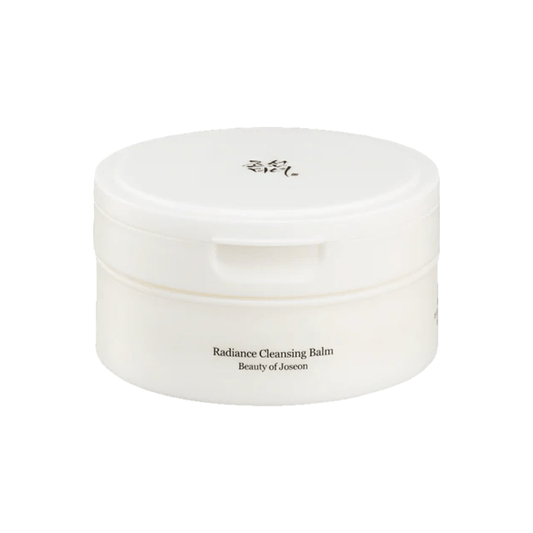
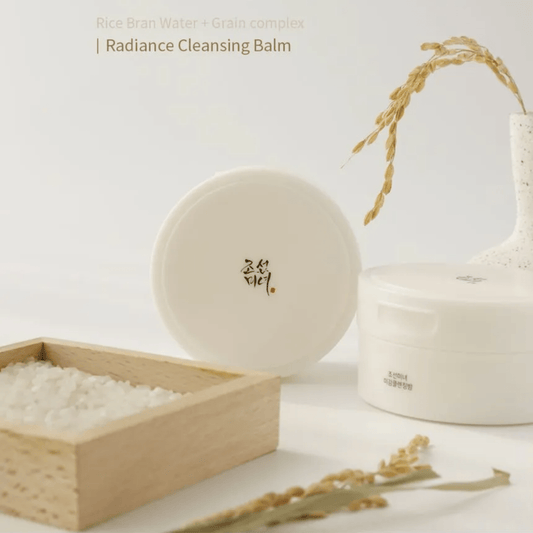

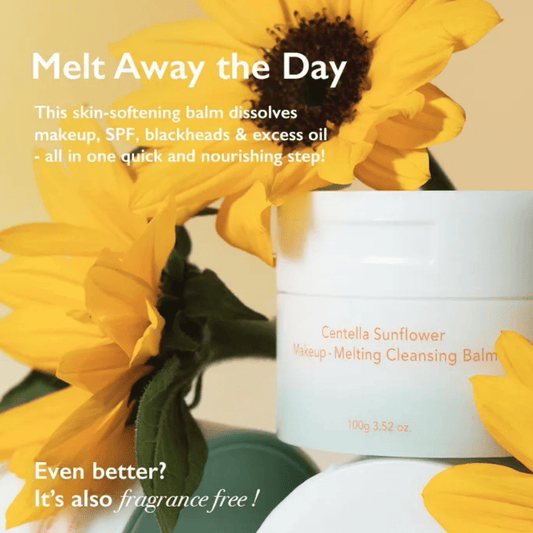

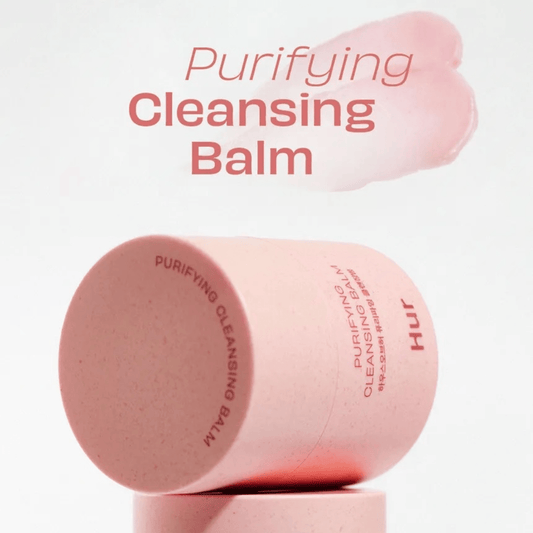
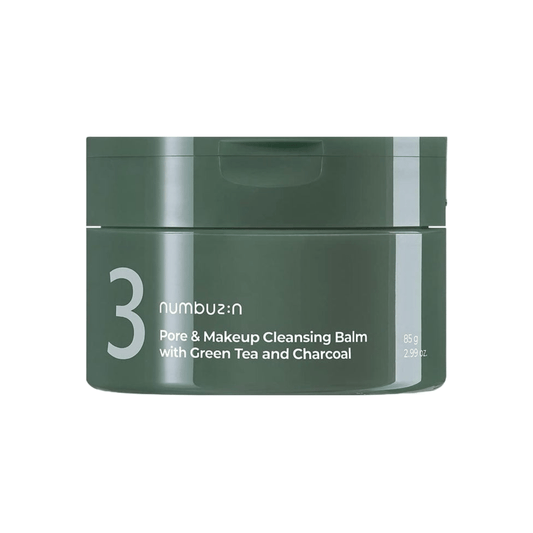
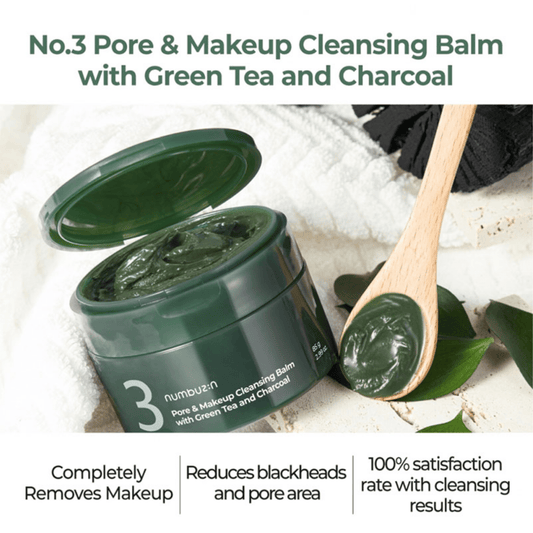

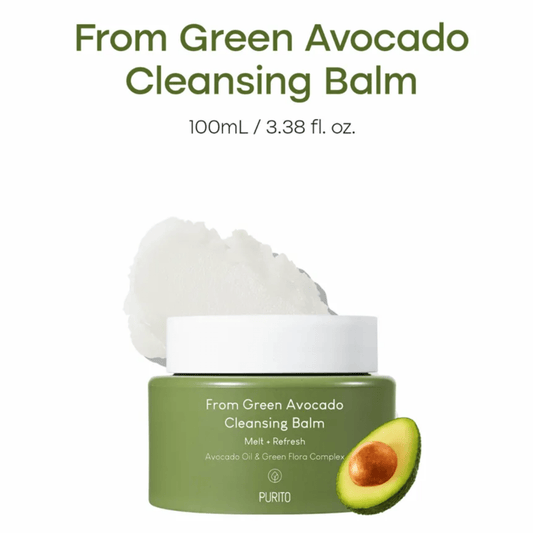

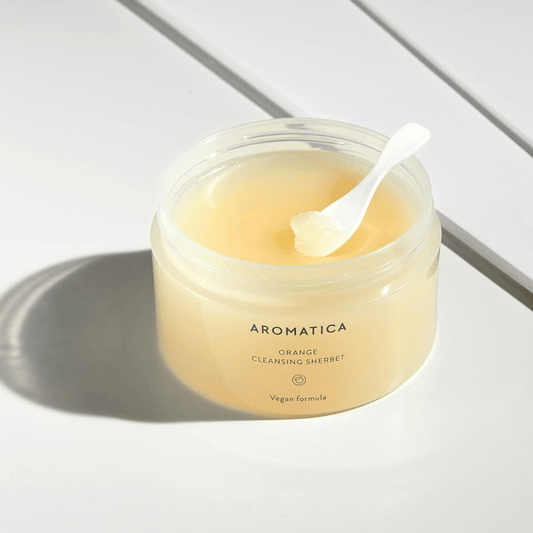

Cleansing Balms are designed to make makeup and SPF removal as gentle as possible. The balm texture transforms into a silky oil when massaged onto dry skin - dissolving waterproof formulas and daily wear without the need for scrubbing. For people who find traditional cleansers too drying, this format is one of the most nourishing options available.
Balm vs Cleansing Oil - What is the Difference
A cleansing oil comes in a liquid form and is applied directly to dry skin. A cleansing balm starts as a solid or semi-solid texture, which melts into an oil upon contact with the warmth of the skin. Both formats dissolve makeup and sunscreen effectively. The balm tends to feel richer and more controlled in application - there is no risk of dripping, and the texture makes it easy to massage the product into the skin thoroughly before emulsifying or rinsing. Many people find the balm format more comfortable in colder months.
- Oil: liquid format, applied to dry skin directly
- Balm: solid format, melts on skin contact
- Both dissolve makeup and SPF effectively
- Balms feel more controlled and less messy
Suitability for Oily and Blemish-Prone Skin
Oily skin can use cleansing balms - the key is choosing a non-comedogenic formula. A well-formulated balm dissolves excess sebum and pore build-up without adding more oil to the skin. Because balms emulsify and rinse clean, they do not leave a greasy residue on the skin's surface. People with blemish-prone skin should look for formulas without heavy waxes or comedogenic oils such as coconut oil. Light plant oils like squalane are far gentler on pore-prone skin.
- Choose non-comedogenic formulas
- Avoid heavy waxes and coconut oil
- Squalane-based formulas suit pore-prone skin
- Emulsifies cleanly - no greasy residue left behind
The Double-Cleanse Step
A cleansing balm is almost always used as the first step in a double-cleanse routine. After massaging the balm into dry skin and emulsifying with water, follow with a gentle water-based cleanser to remove any remaining residue and properly cleanse the skin. This two-step approach gives the most thorough result for people who wear SPF, makeup, or both. On days when no SPF or makeup has been worn, the balm alone may be sufficient.
- Use as first-step in a double cleanse
- Follow with a water-based second cleanser
- Balm alone is fine on no-SPF, no-makeup days
- Always emulsify fully before rinsing
How to Use a Cleansing Balm Correctly
Scoop a small amount - about the size of a pound coin - onto dry hands. Apply to dry skin and massage gently in circular motions for 30 to 60 seconds, focusing on areas with heavier coverage. Add a little water to emulsify; the texture will turn milky. Rinse thoroughly with lukewarm water. Avoid hot water, which can strip the skin. Wipe away gently with a soft cloth if needed.
- Apply to dry skin before adding water
- Massage for 30-60 seconds before emulsifying
- Use lukewarm water - not hot
- A soft cloth helps remove residue fully
Browse the range and find the balm that suits your skin type and your nightly routine. A well-chosen first step makes everything that follows more effective.
