
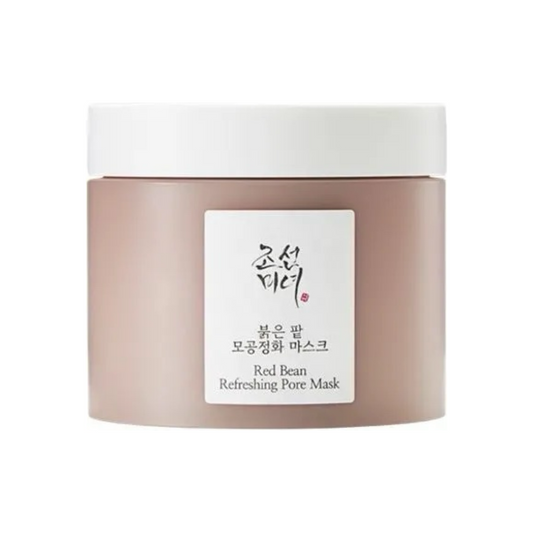
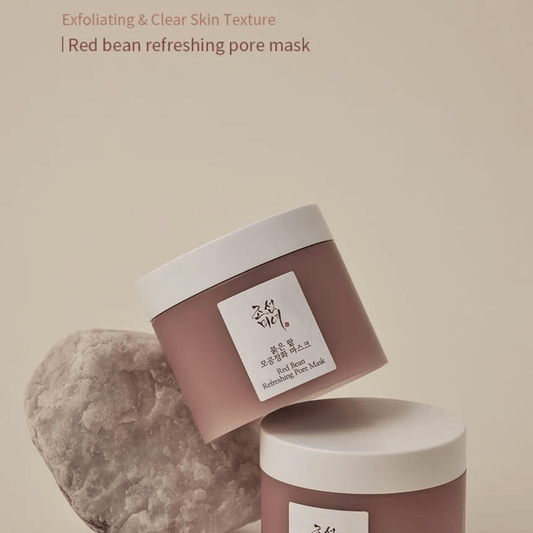
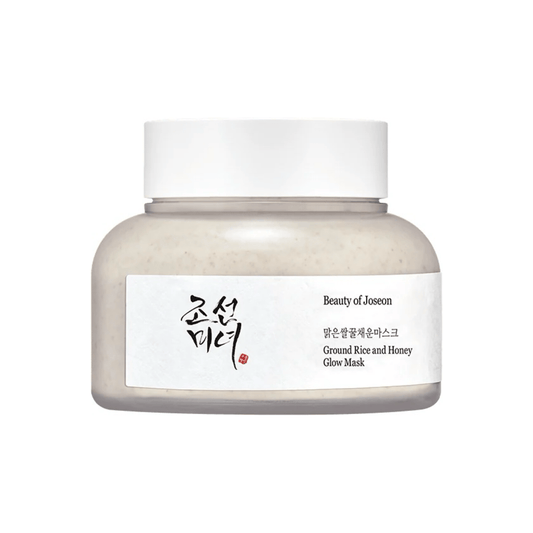
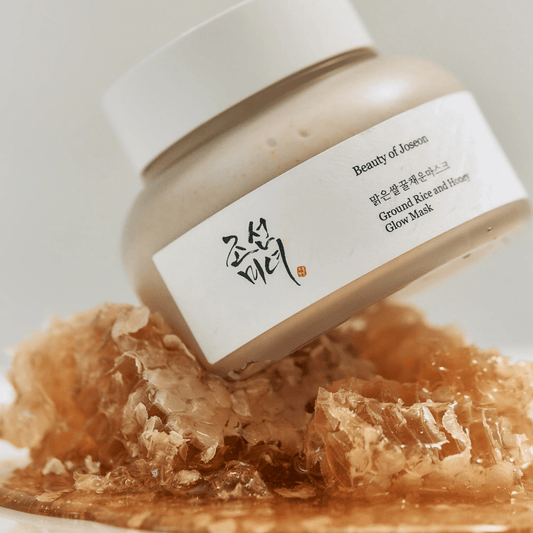
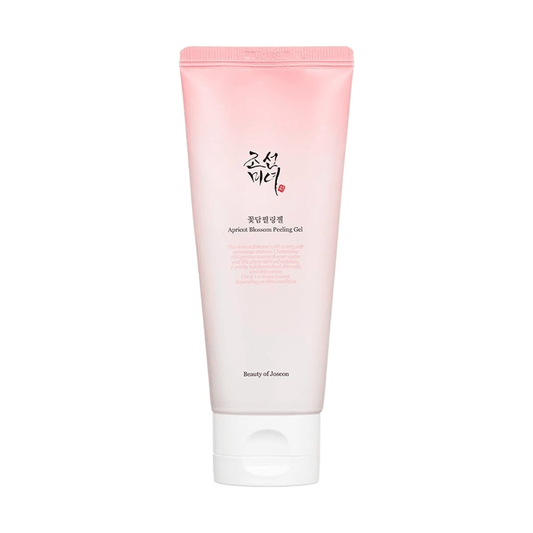
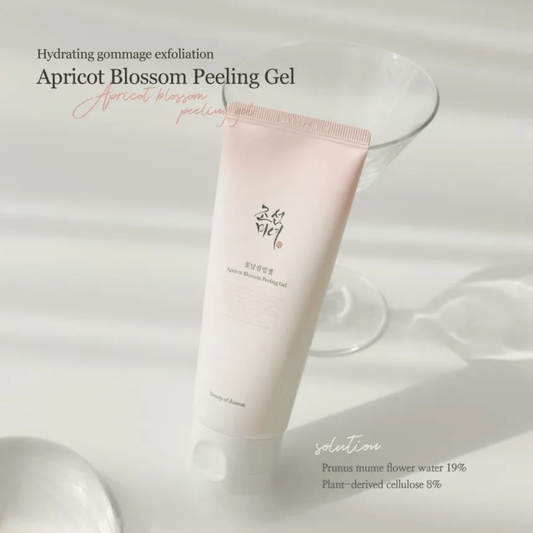

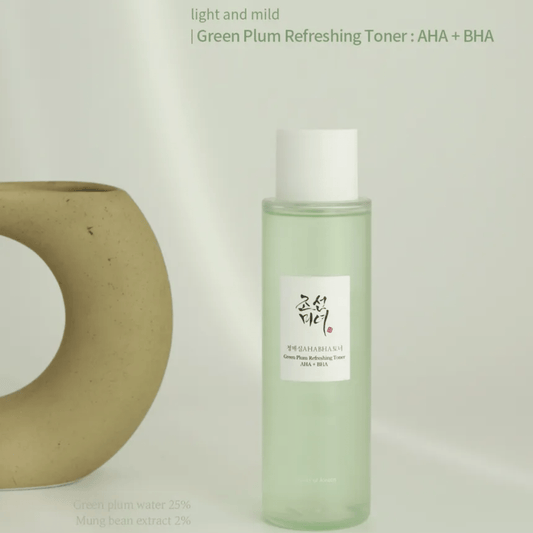
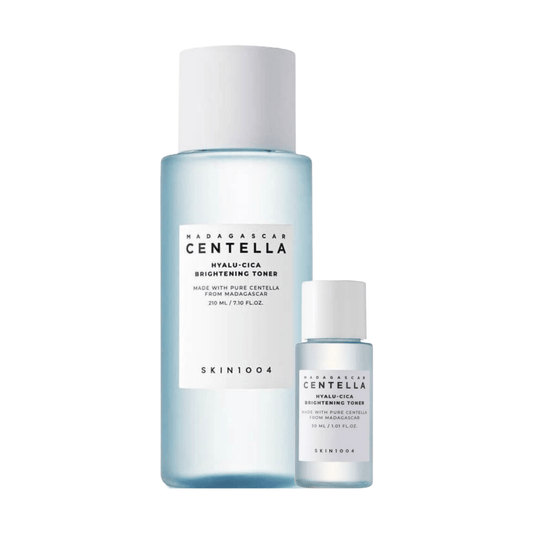
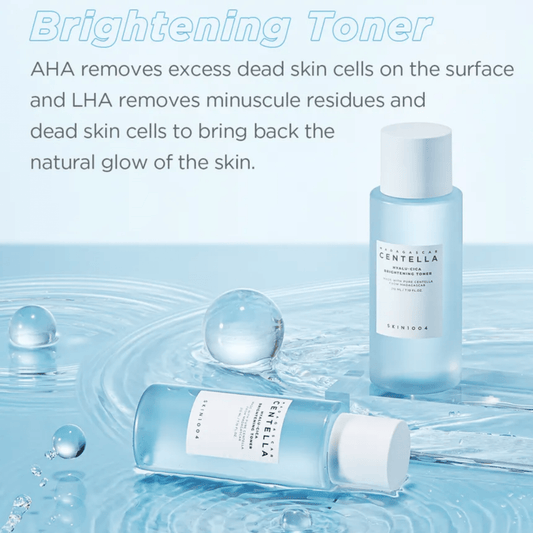

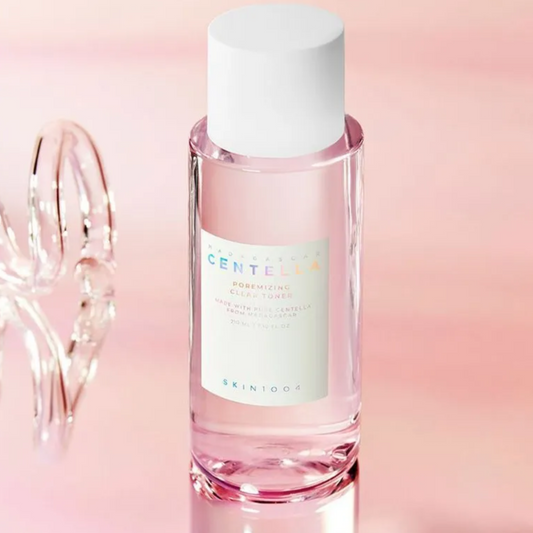

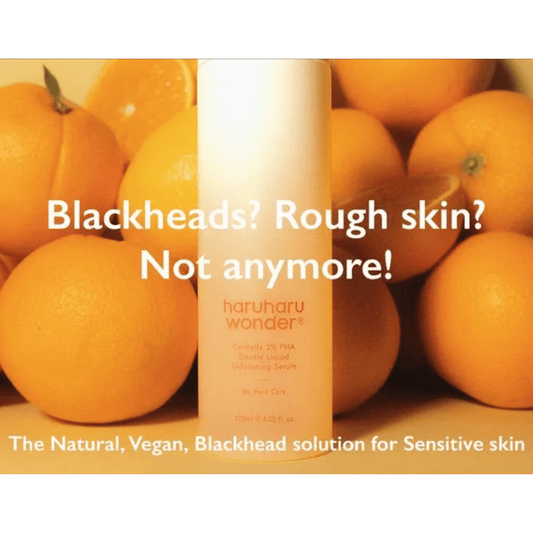

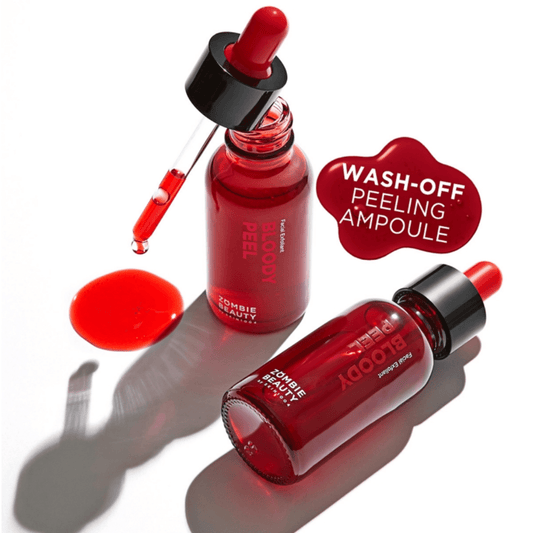

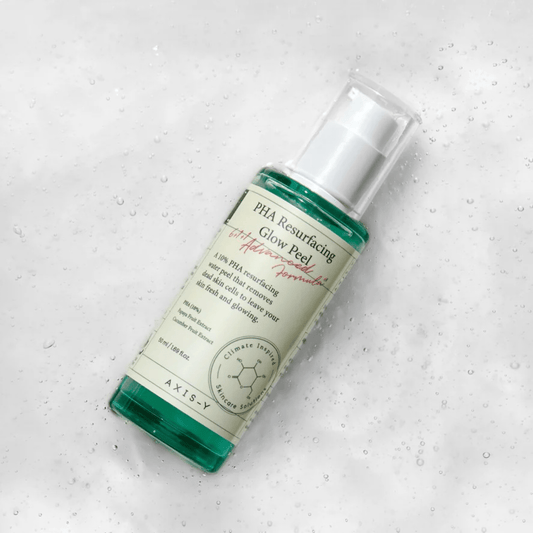

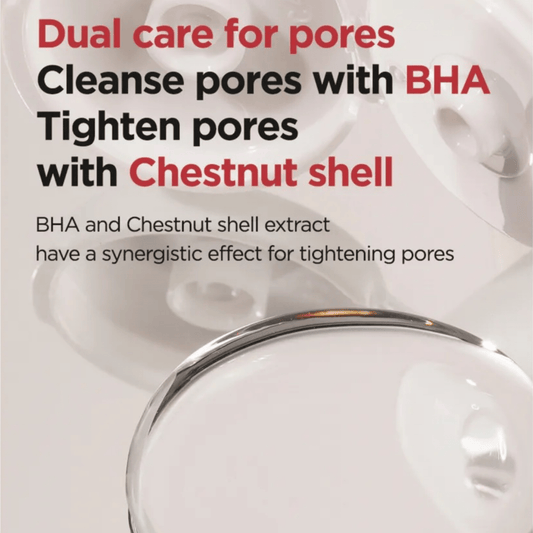

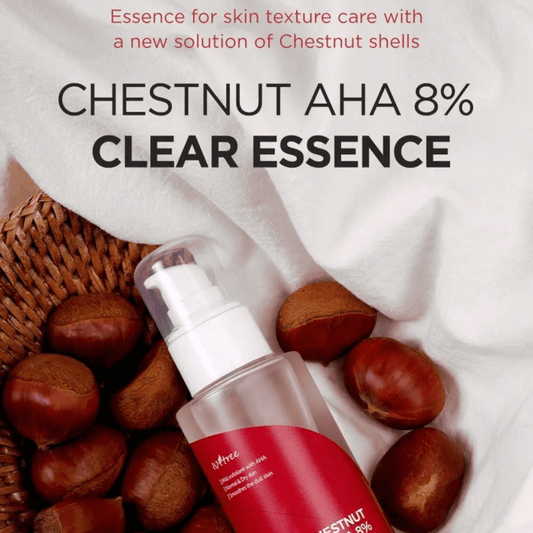

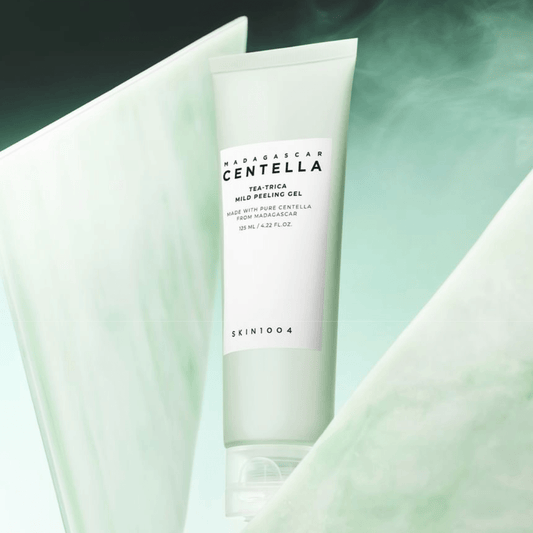


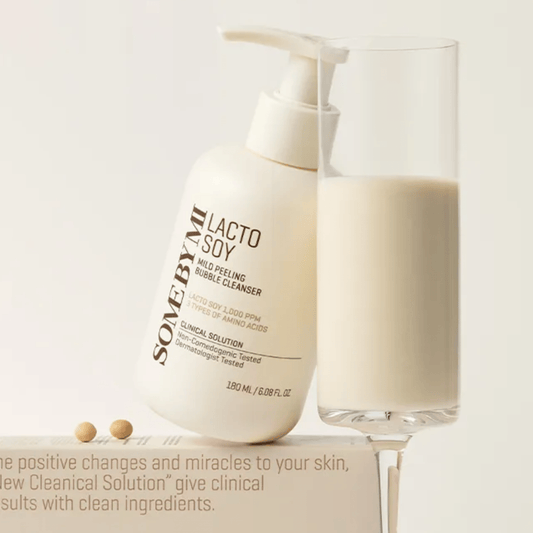

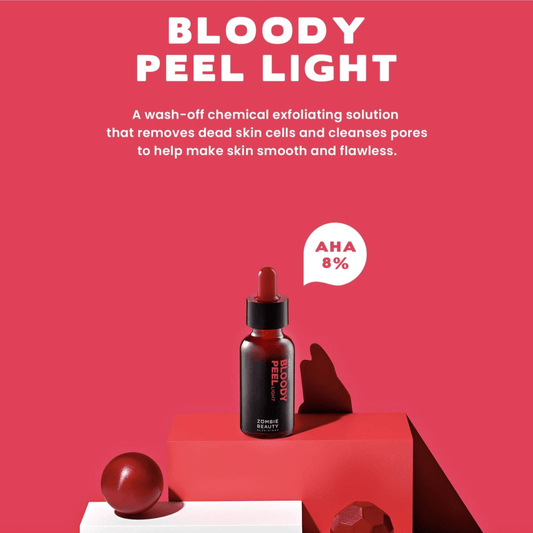


Chemical Exfoliators are one of the most effective ways to improve skin texture, even out tone, and keep your complexion looking fresh. Unlike physical scrubs, they dissolve dead skin cells rather than scrubbing them away - making them gentler and more consistent in their results.
AHAs, BHAs, and PHAs Explained
The three main families of chemical exfoliants each work a little differently. AHAs - such as glycolic acid and lactic acid - work on the skin's surface, helping to brighten tone and smooth texture. They are particularly effective for dry or sun-exposed skin. BHAs, such as salicylic acid, are oil-soluble and penetrate deeper into pores, making them well-suited to oily or blemish-prone skin. PHAs are the gentlest of the three - they exfoliate at a slower rate and are more comfortable for sensitive or reactive skin.
Choosing the right family
- AHAs brighten and smooth surface skin
- BHAs clear and balance oily pores
- PHAs soothe and gently resurface
- Combination formulas target multiple concerns
How Often to Exfoliate
Frequency depends on the strength of the formula and how your skin responds. Beginners or those with sensitive skin should start with once or twice a week, then build gradually. More resilient skin may tolerate three to four uses per week with lower-concentration formulas. The most important sign to watch for is any redness, tightness, or increased sensitivity - these are signals to ease back. Over-exfoliating is a common mistake that weakens the skin barrier, so less is often more, especially at first.
- Start once or twice per week
- Build slowly based on how skin responds
- Redness or tightness means scaling back
- Avoid daily use unless formula is very mild
Using Exfoliants on Sensitive Skin
Sensitive skin can use chemical exfoliants - it just requires choosing the right formula at the right strength. PHAs are the most forgiving option for reactive skin. Lactic acid at low concentrations is also well-tolerated. Patch testing before full use is always a sensible step. Look for formulas that include calming ingredients like niacinamide - a form of vitamin B3 that helps reduce visible redness - or panthenol, which supports skin recovery. Avoid formulas with fragrance or alcohol, as these can compound irritation.
- PHAs are the gentlest starting point
- Low-strength lactic acid is well tolerated
- Always patch test first
- Avoid fragrance and alcohol in the formula
Morning, Evening, and What Comes After
Most chemical exfoliants are best used in the evening, when the skin can rest and recover overnight. AHAs in particular increase sun sensitivity, so evening use is preferred and morning SPF is essential on the days you exfoliate. After applying your exfoliant, follow with a hydrating toner or essence to restore comfort, then moisturise to support the skin barrier. Avoid using retinol or vitamin C on the same evening as a strong exfoliant - let each active work on its own night for best results.
- Evenings are the safest time for exfoliation
- Morning SPF is essential the following day
- Follow with hydration and moisture
- Avoid layering with retinol on the same night
Explore the range to find a formula that fits your routine. Whether you are starting gently or targeting a specific concern, there is a chemical exfoliant here to help your skin look and feel its clearest.
