
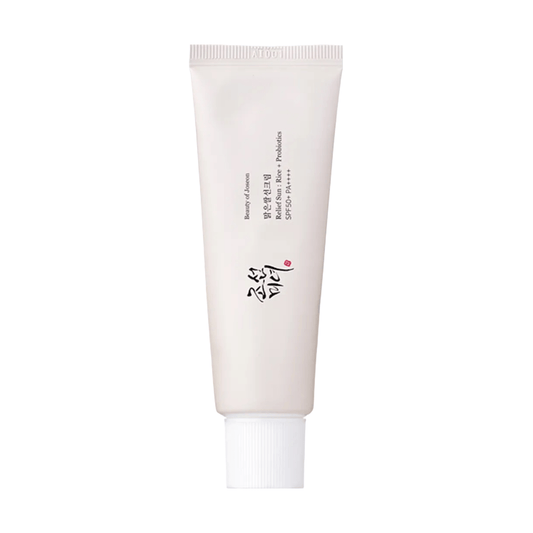
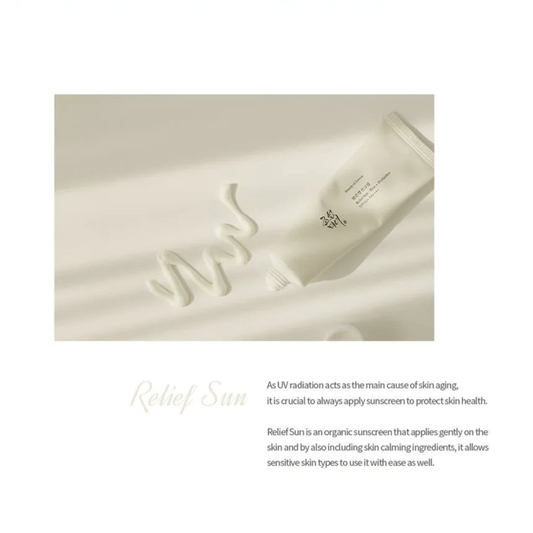
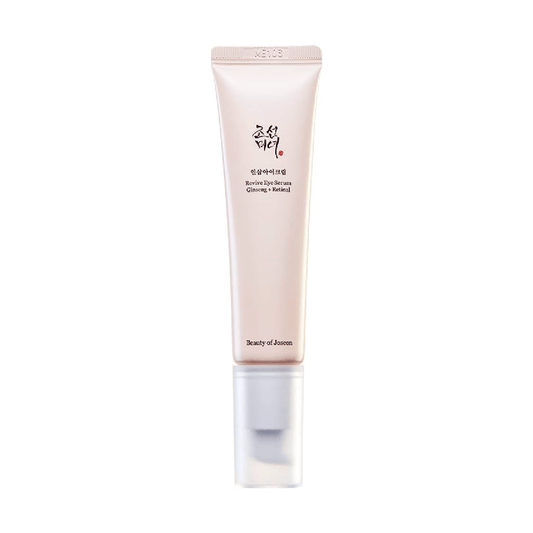
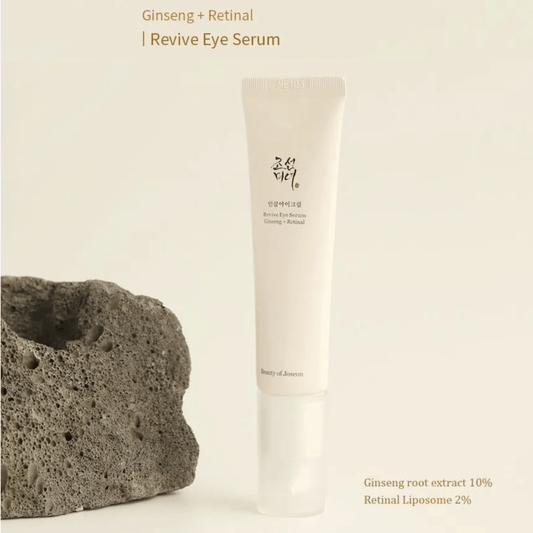

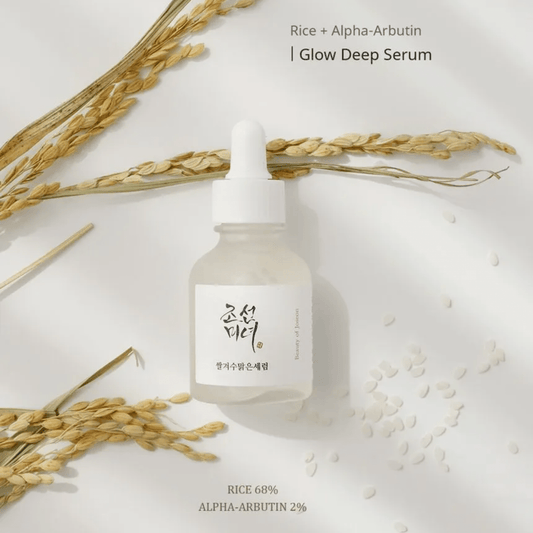

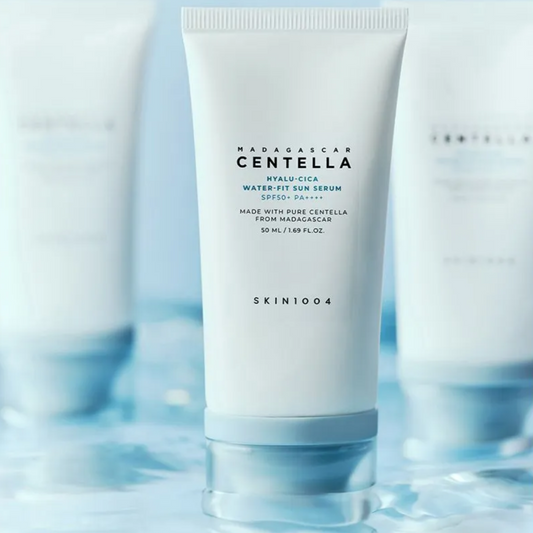

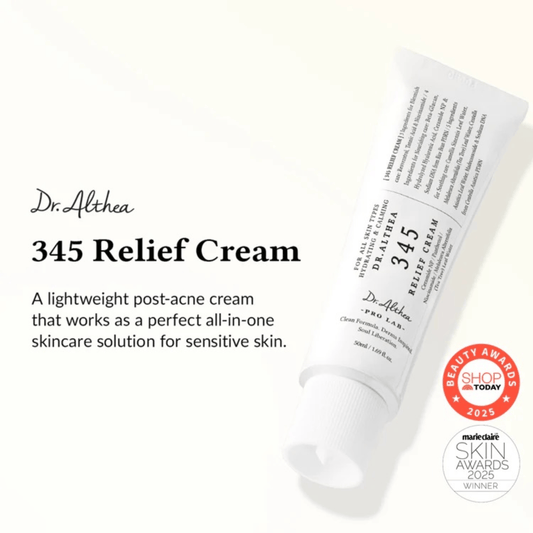

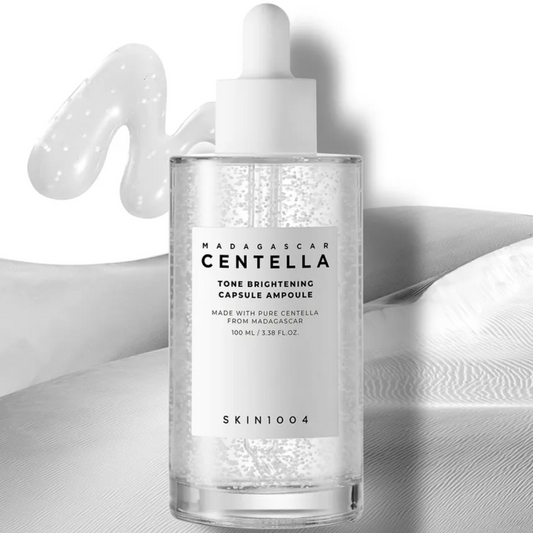

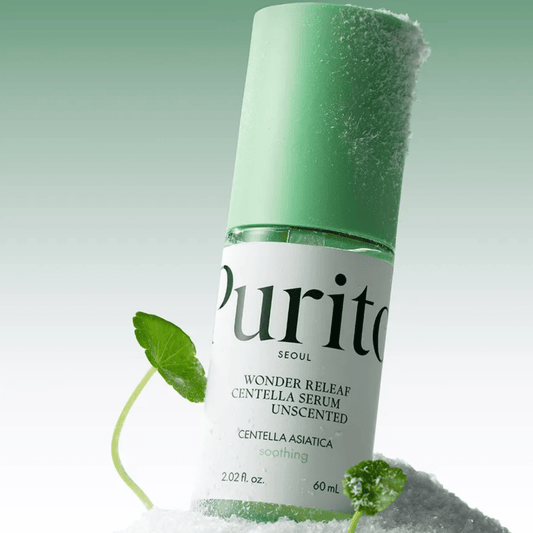
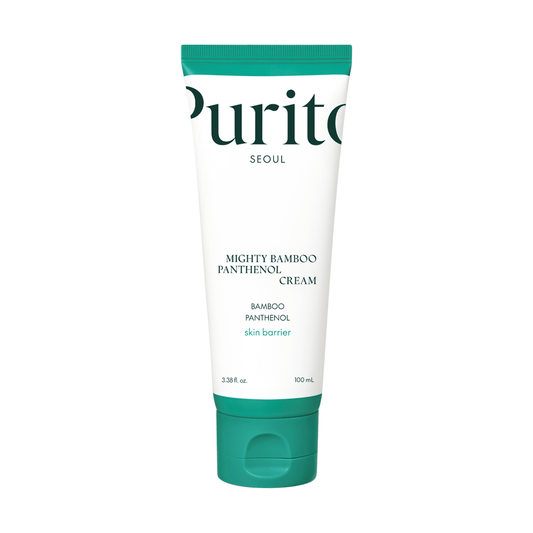

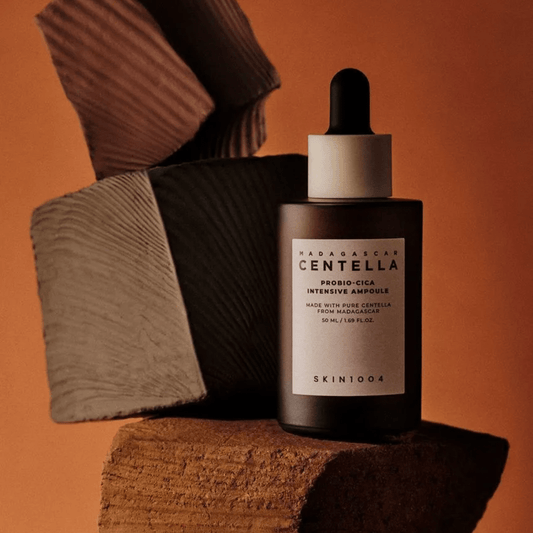

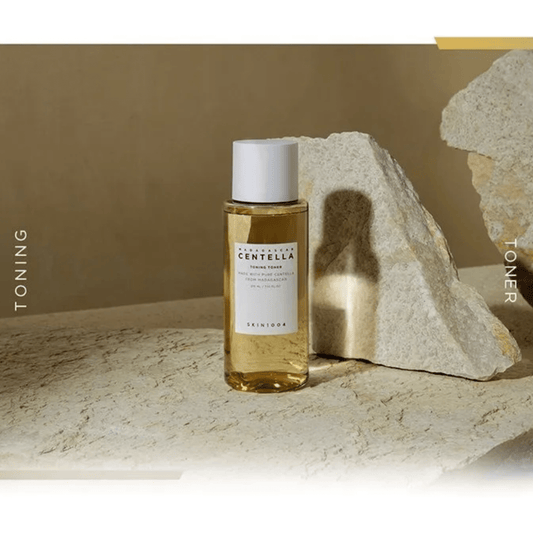
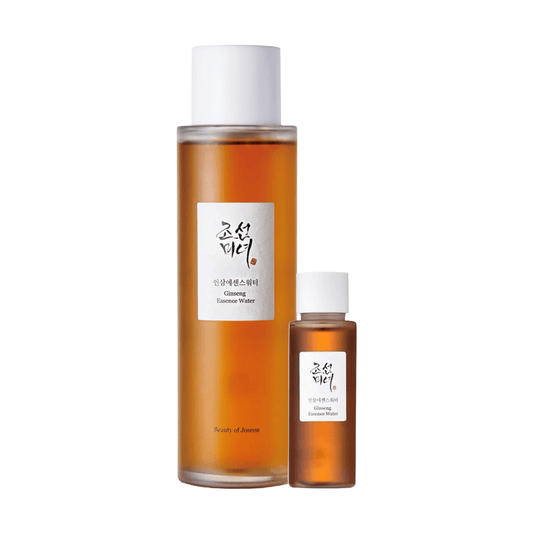
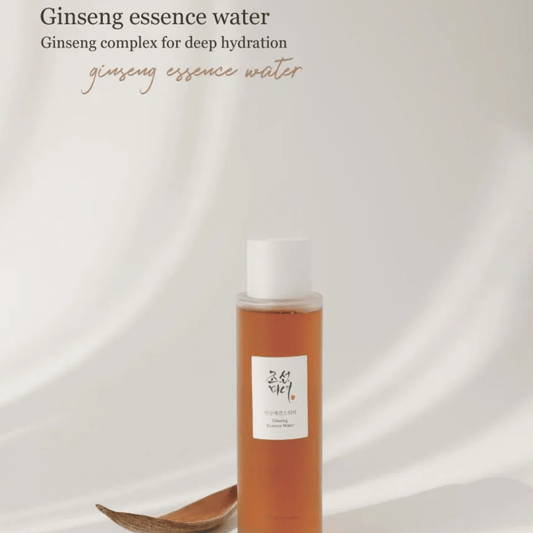
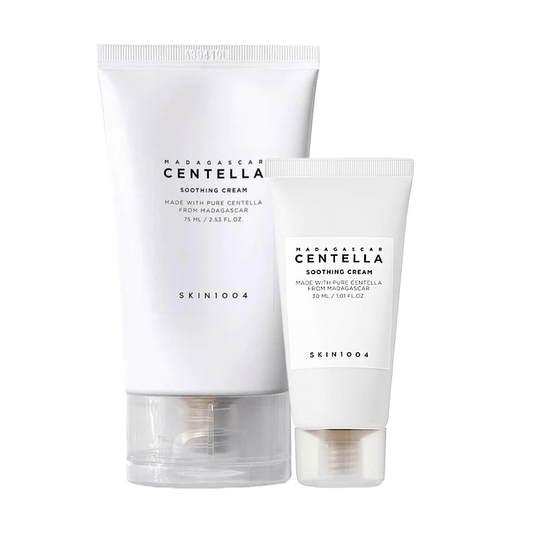
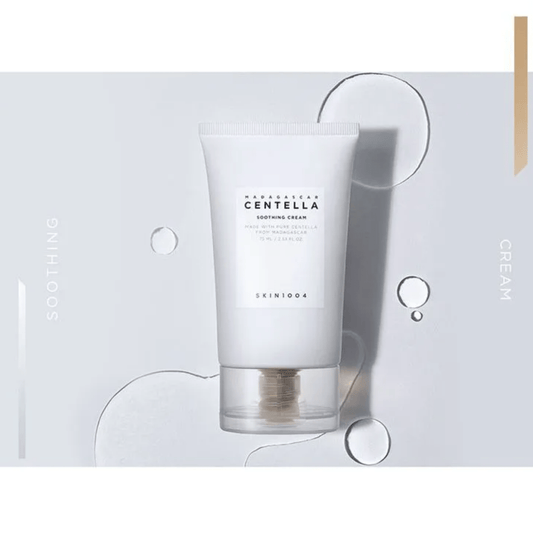

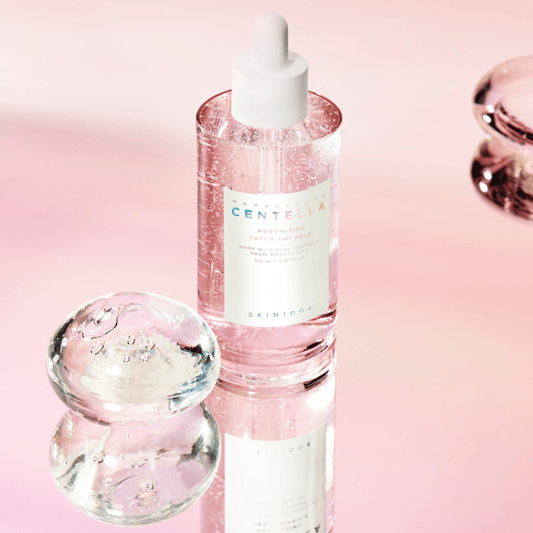

Brightening K-Beauty for Sensitive Skin brings two goals together that can often feel at odds. Korean skincare is well suited to this balance, favouring slow, steady ingredients over strong actives. Here you will find brightening products that work with reactive skin, not against it.
Gentle Ingredients That Even Out Tone
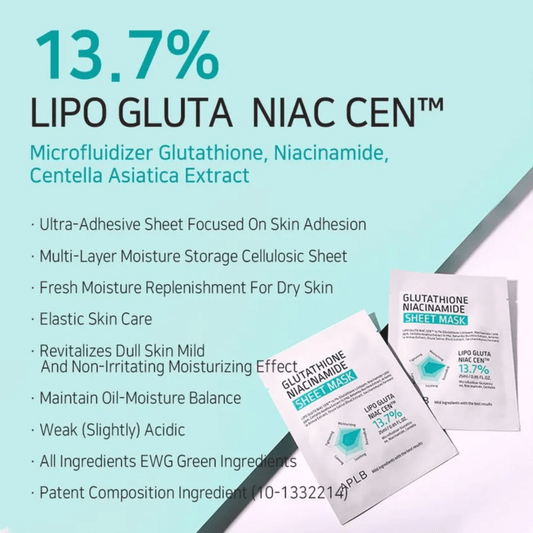
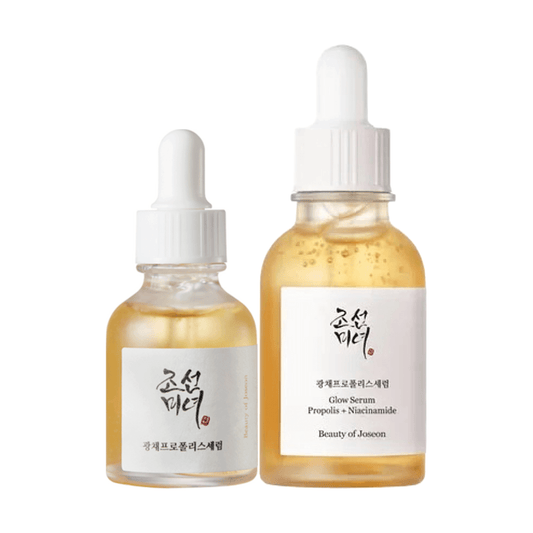
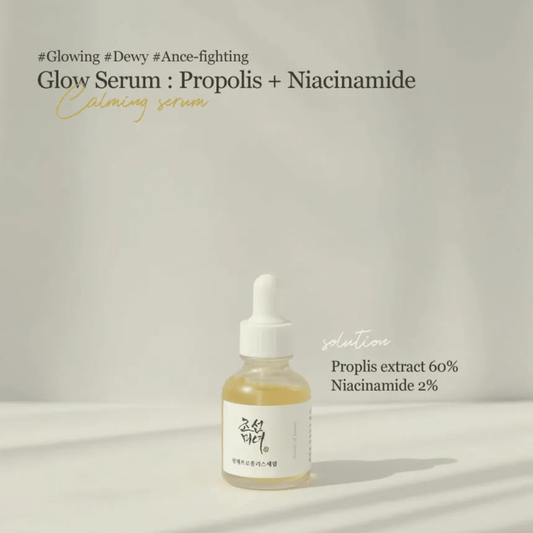
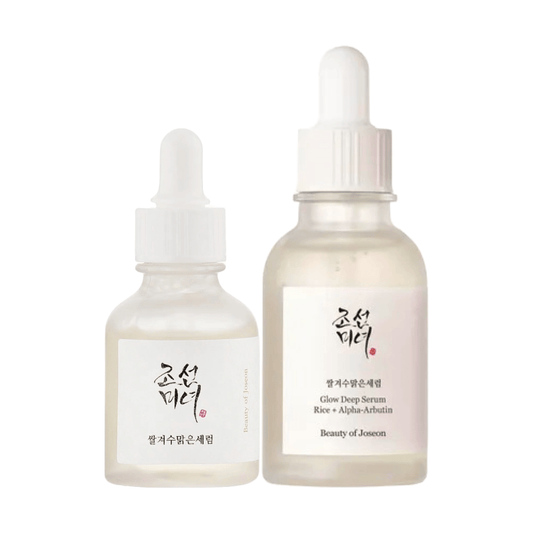
Brightening Korean skincare leans on ingredients that work softly rather than quickly. For sensitive skin, this matters. Harsh actives can leave skin red, tight, or sore, so the best choices are ones that lighten tone gradually over time. Niacinamide is a standout: it reduces the look of uneven tone and helps balance moisture at the same time. Tranexamic acid works in a similar way, fading dark spots steadily without the tingle that some actives bring. Rice extract and liquorice root are plant-sourced options that brighten with a soothing touch. Kojic acid, derived from fermented grains, can also even out skin tone over weeks. Many of these ingredients come in toners, essences, and serums, so you can choose a texture that layers comfortably into your existing routine.
- Niacinamide: evens tone softly
- Tranexamic acid: fades spots steadily
- Rice extract: gentle plant brightening
- Liquorice root: calming and brightening
- Kojic acid: gradual tone correction
Vitamin C and What to Watch For
Vitamin C is one of the most popular brightening ingredients, but pure ascorbic acid can sting or flush sensitive skin. Korean formulators often use stabilised forms instead: ascorbyl glucoside and sodium ascorbyl phosphate both brighten tone without the sharp edge. These softer derivatives still support a more even complexion; they simply take a little longer to show results. When building a brightening routine for sensitive skin, it is worth knowing what to step around. Strong exfoliants used too often can thin the skin barrier and make the skin more reactive over time. Synthetic fragrance is another common trigger, so fragrance-free formulas are a safer default. If you are introducing a new brightening product, starting with two or three evenings a week gives your skin time to settle before you use it daily.
- Ascorbyl glucoside: stable vitamin C form
- Sodium ascorbyl phosphate: easy on reactive skin
- Avoid: strong daily exfoliants
- Avoid: synthetic fragrance
- Patch test new actives first
How to Build a Brightening Routine That Works
A brightening routine for sensitive skin works best when it builds slowly. Starting with one brightening step, rather than layering several at once, gives the skin time to adjust. A brightening serum or essence usually sits in the middle of a routine, after cleansing and toning, before moisturiser. SPF in the morning is essential: UV exposure deepens uneven tone over time, so sun protection is part of the brightening process. At night, a brightening serum or sleeping mask can work quietly without extra steps on top. Consistency over weeks, not intensity in a single session, is what brings a steadier, softer-looking complexion.
- Start with one brightening step
- Serum or essence: mid-routine placement
- Apply SPF every morning
- Night use: serum or sleeping mask
- Build up gradually over weeks
Browse the collection above and find the step that fits your routine. Whether you are starting with a brightening serum or looking for something to layer at night, there is a calm option here for your skin.