












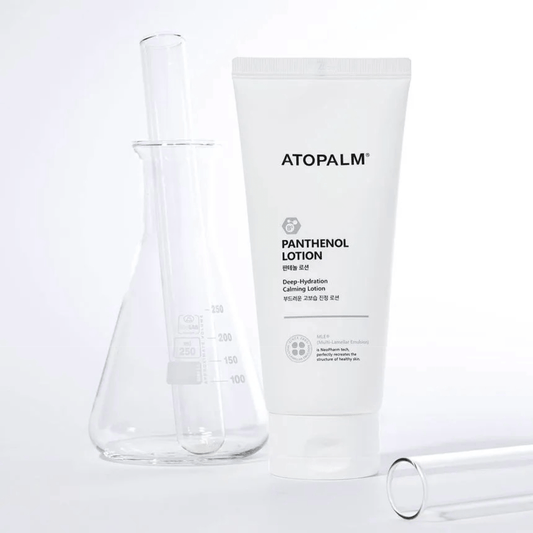

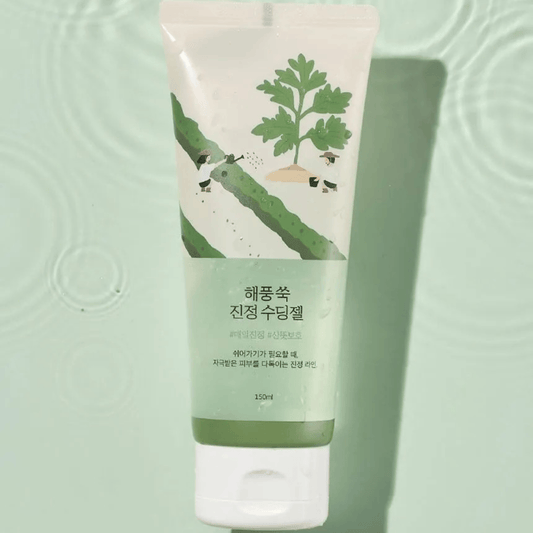


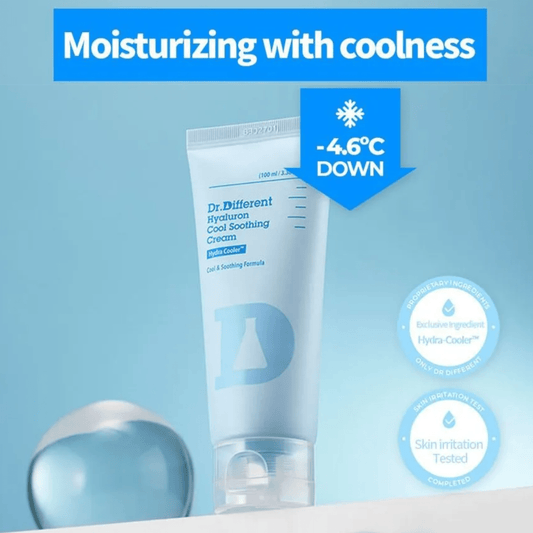
Finding the right Barrier Supporting Korean Moisturiser is easier when you know what to look for. This page covers the textures, ingredients, and routine steps that make the most difference, so you can choose with confidence and start seeing the results in your skin.
Textures That Feel Right on Reactive Skin
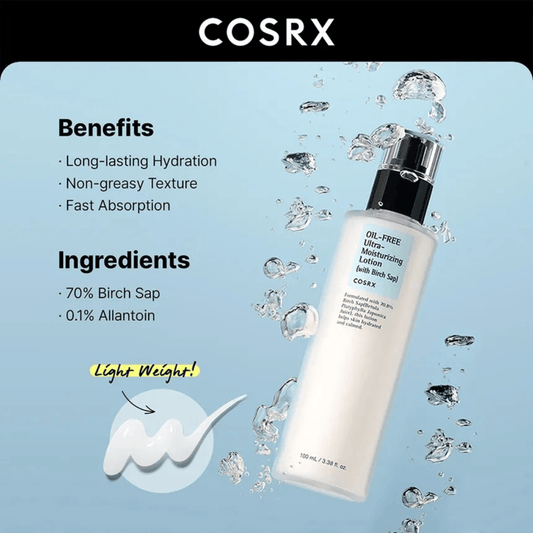
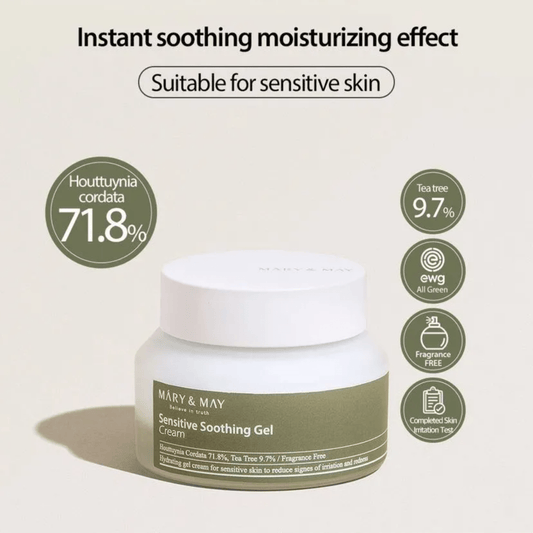
Barrier supporting moisturisers come in a range of textures, so there is a format to suit every preference. Lightweight gel creams absorb quickly and leave skin feeling refreshed without heaviness. Richer, velvety creams take a little longer to sink in and feel more comforting on skin that tends to feel tight or dry. Some balm-style formulas are thicker still, giving a gentle, protective finish. The key is to match the texture to how your skin behaves: if it leans oily or combination, a silky gel works well; if it leans dry or sensitive, a soft cream gives steady, calming support. Either way, none of these should feel heavy or greasy by the end of the morning.
- Gel creams: light, fast-absorbing, refreshing
- Soft creams: velvety, comforting, protective
- Balm formulas: rich, restorative, deeply nourishing
- Lightweight textures: non-greasy, smooth, calming
Ingredients That Work With Your Skin
A good barrier supporting moisturiser draws on a small set of well-understood ingredients that help your skin stay balanced and hold onto moisture. Ceramides are one of the most useful: they are fats that naturally occur in healthy skin, and they help keep the surface smooth and resilient. Ingredients such as panthenol soothe redness and help calm skin that feels easily irritated. Niacinamide helps even out tone and keeps the skin surface calm. Hyaluronic acid draws moisture into the skin so it feels plumper and more comfortable. Together, these ingredients work quietly in the background, restoring what daily life and environmental exposure can gradually strip away.
- Ceramides: restore the skin surface
- Panthenol: soothe redness and irritation
- Niacinamide: calm and balance tone
- Hyaluronic acid: draw moisture into skin
What to Look Past When Choosing
When choosing a barrier supporting moisturiser, it helps to look at the ingredient list as well as the claims on the front. Fragrances, both synthetic and natural, are a common cause of sensitivity and are worth avoiding if your skin reacts easily. Alcohol high up in the ingredient list can disrupt moisture balance and leave skin feeling tight. Essential oils, though natural, can also irritate skin that is already compromised. Instead, look for short, clean formulas with a focus on the soothing and hydrating ingredients above. A simple list with familiar names tends to be kinder to reactive skin than a long list of unfamiliar compounds.
- Avoid synthetic fragrances
- Avoid high-percentage alcohol
- Avoid essential oils on reactive skin
- Look for short, focused ingredient lists
Where Moisturiser Fits in Your Routine
In a multi-step routine, moisturiser comes near the end. After cleansing and any toning or essence steps, your skin is at its most receptive. Applying a serum or ampoule before your moisturiser means those lighter formulas absorb first, and the moisturiser then comes in over the top to help hold that hydration in place. In the morning, a moisturiser with sun protection built in keeps things simple. In the evening, a slightly richer formula gives the skin time to restore overnight. Even a short two-step routine, cleanser followed by moisturiser, is enough to make a difference if you are building a new habit.
- After cleanser and toner
- Over serum or essence
- Morning: light, protective formula
- Evening: richer, restorative formula
Browse the full range above and take your time. Your skin responds well to consistency, and finding the right formula is the first step. Scroll up to explore the collection.