












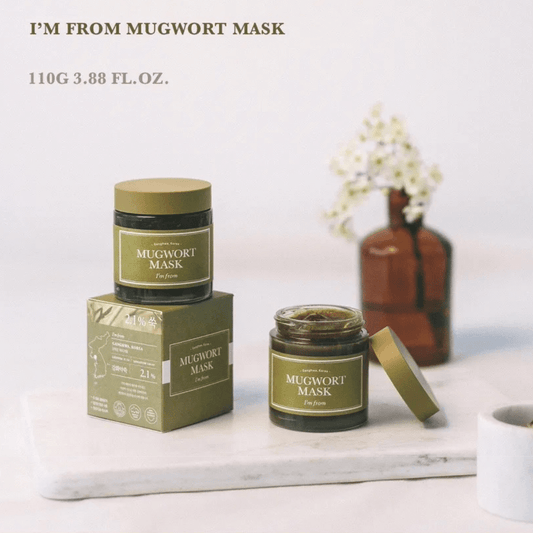

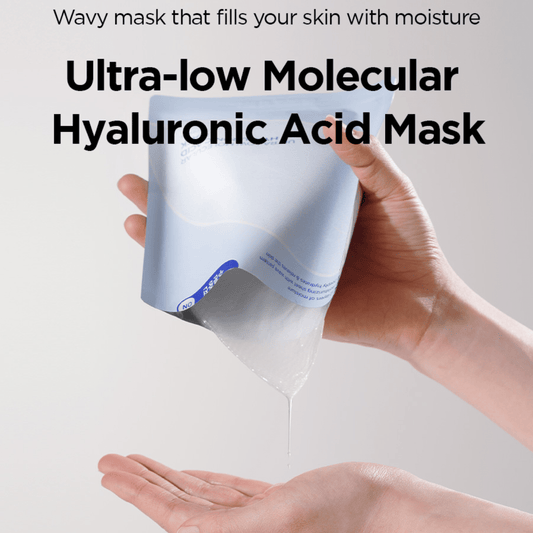


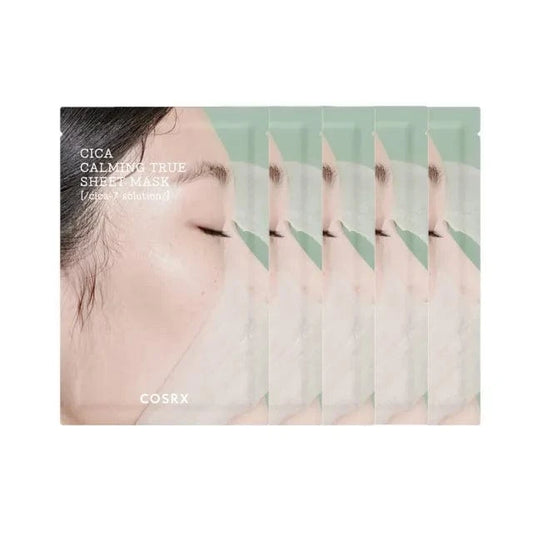

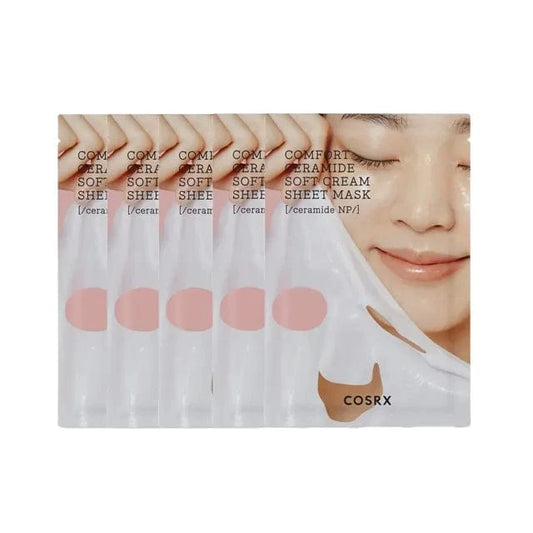
Choosing a Barrier Supporting Korean Mask means looking for formulas that work with your skin, not against it. The best options give skin what it needs to feel calm and nourished. This guide covers who these masks suit, how to use them, what sets them apart, and what to expect when you try one.
Skin That Benefits Most
Those with a sensitive or weakened barrier benefit most from a barrier supporting mask. Dry skin types often find these masks deeply nourishing, as they help restore what daily cleansing and exposure can strip away. Reactive skin that flushes, flakes, or feels tight after washing is another strong match. Even oily or combination skin can have a fragile barrier, especially when stripped back by over-cleansing or drying conditions. If your skin tends to feel raw after a shower, or stings when you apply products, a barrier supporting mask can help bring things back into balance. It offers a calm, restorative step for anyone whose skin needs steadying.
- Dry and tight skin types
- Sensitive or reactive skin
- Skin weakened by over-cleansing
- Oily skin with a fragile barrier
- Skin that stings or flushes easily
Morning, Evening, or Both
Barrier supporting masks are flexible enough to fit wherever your skin needs them most. In the morning, they give skin a soothing, settled base before sunscreen and the day ahead. In the evening, they let skin absorb the ingredients it needs overnight, waking up feeling soft and smooth. Some formulas suit short contact time: apply, wait ten minutes, and rinse. Others are leave-on, worn through the night for a deeper, more comforting effect. The best time to use one is when your skin signals it needs extra care: after a long flight, during cold weather, or following a period of stress.
- Morning: soothing base before SPF
- Evening: overnight nourishing step
- Short-contact: rinse after ten minutes
- Leave-on: sleep with it on
- As needed: after stress or cold weather
What Makes These Masks Different
A regular face mask often targets surface concerns: clearing pores, brightening tone, or controlling oil. A barrier supporting mask works differently. Its focus is on strengthening and protecting the skin's outer layer, so external stressors cause less disruption. Regular masks may contain active ingredients that can temporarily sensitise the skin. Barrier supporting formulas tend to lean on ceramides that help skin stay smooth and less reactive, fatty acids to hold moisture in, and soothing botanical extracts to keep reactivity low. The ingredients are gentle and work with your skin rather than acting on it. The result is a calmer, more settled complexion rather than an immediate visible change.
- Ceramides that help skin stay smooth
- Fatty acids to hold moisture in
- Soothing botanical extracts
- Gentle, skin-compatible formulas
- Less likely to cause sensitivity
What to Expect on Your Skin
Barrier supporting masks tend to feel soft and comfortable from the first application. Many have a velvety, cream-like texture that spreads easily and does not drag or pull at the skin. Sheet mask versions feel cooling and calming on contact, releasing a lightweight essence that absorbs quickly without leaving a sticky layer. Cream and sleeping pack formats feel richer, sitting on the skin with a gentle, protective weight. After rinsing, or in the morning after a leave-on formula, skin typically feels smooth and settled. The sensory experience is deliberate: these masks are designed to feel as calming as they are effective, offering a gentle moment of care in your routine.
- Velvety, cream-like spread
- Cooling, calming sheet mask contact
- Lightweight essence absorption
- Richer, comforting sleeping pack feel
- Smooth, settled finish after use
Browse the full collection above to find the mask that fits your skin and your routine. A quick ten-minute boost or an overnight step, the right mask is already here for your skin.