

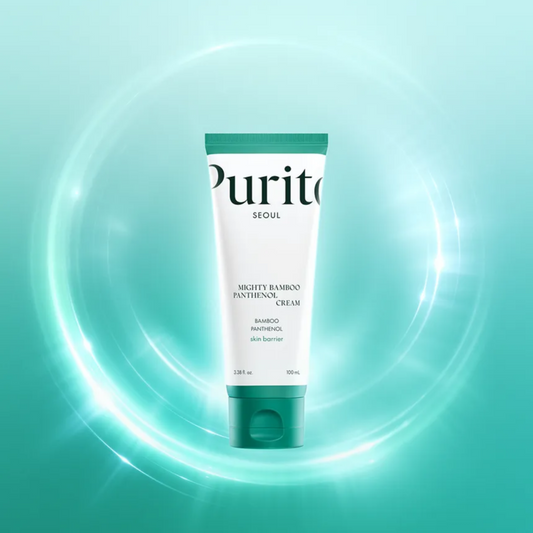

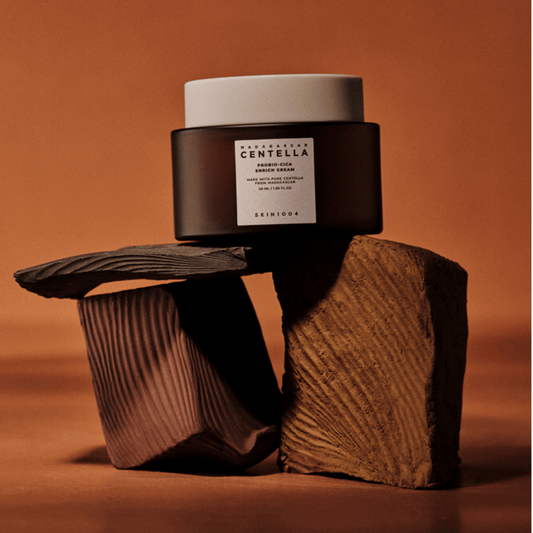
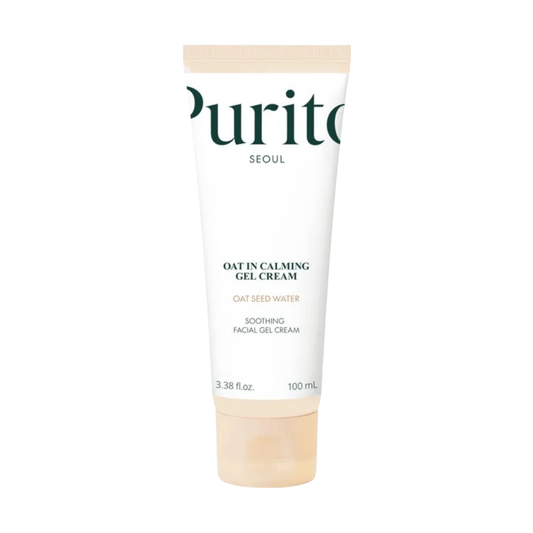
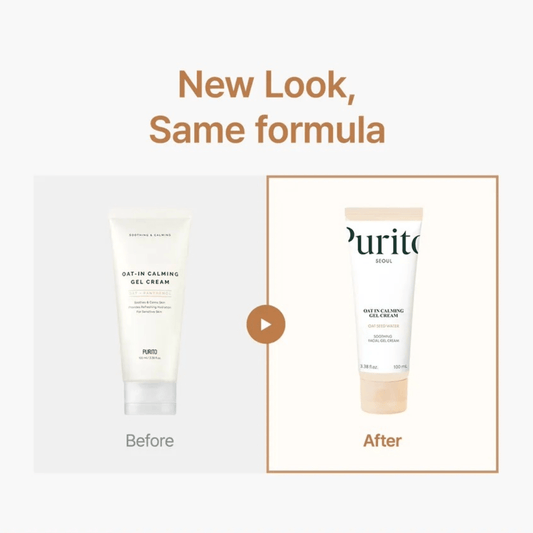





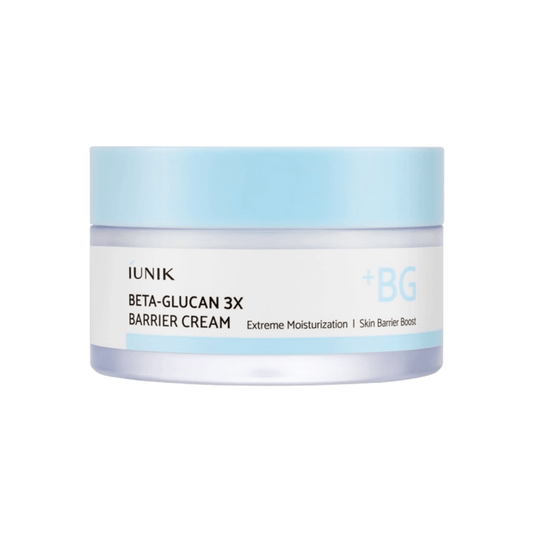
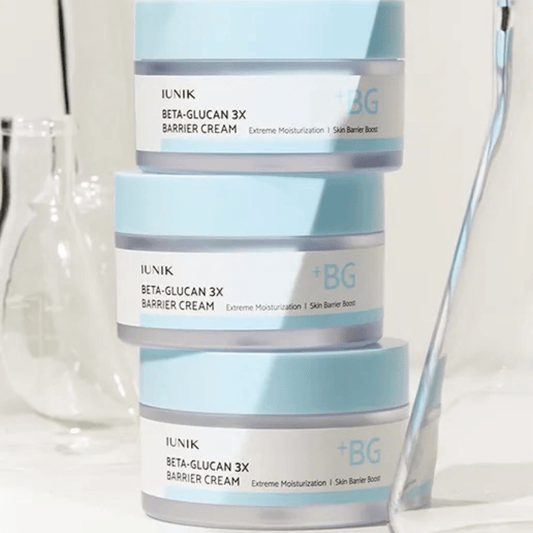
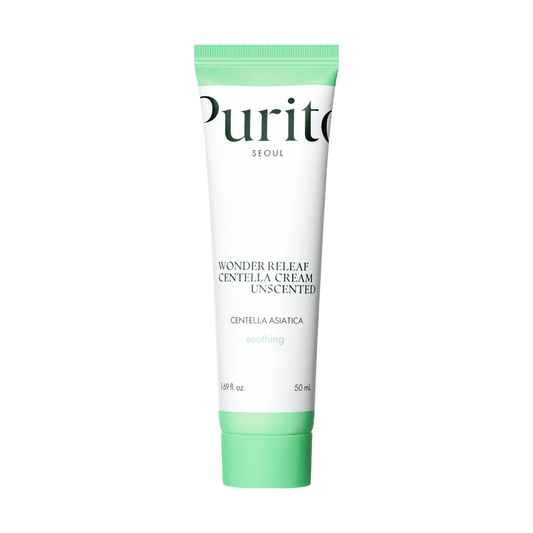
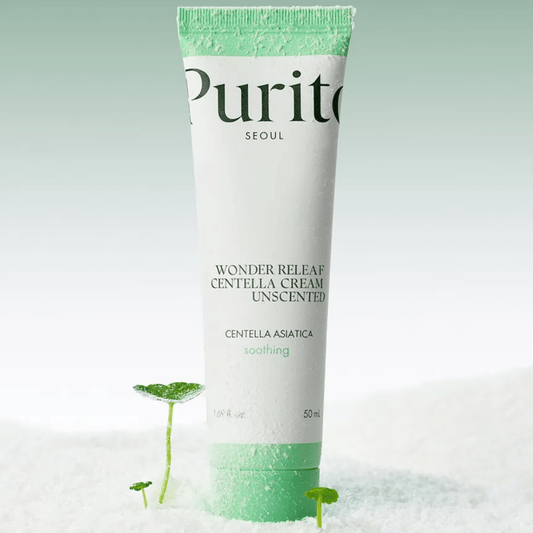
Choosing the right Barrier Supporting Korean Cream means looking beyond texture alone. The barrier is your skin's first line of defence , when it is working well, skin feels balanced, holds moisture, and reacts less to the world around it. The sections below cover what to look for, what to skip, and what to expect.
Ingredients That Actually Strengthen the Barrier
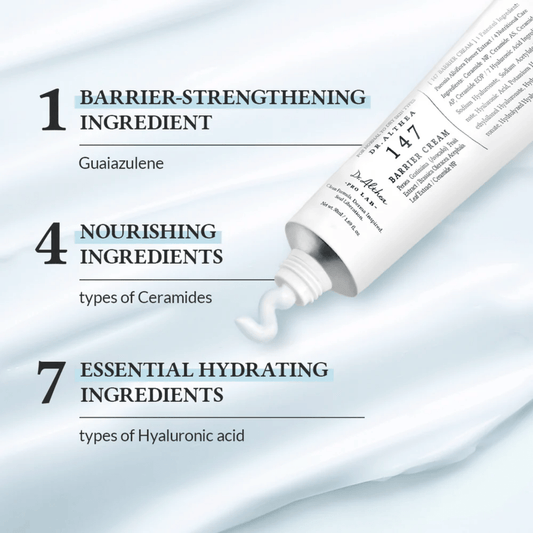
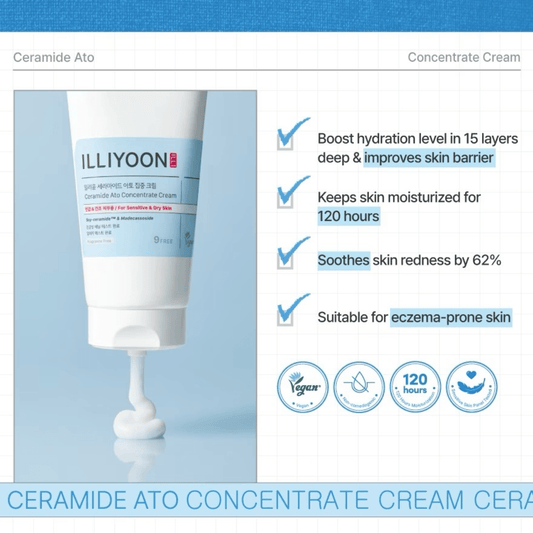
Ceramides are the cornerstone of any barrier supporting formula. They replenish the lipid matrix that holds skin cells together, helping skin hold onto moisture and stay resilient against daily stressors. Alongside ceramides, niacinamide helps calm visible redness and supports an even tone, while panthenol draws moisture into the skin and keeps it there throughout the day. Shea butter and plant oils add a protective layer that softens and smooths the surface. Together, these ingredients work as a team , each one targeting a different layer of skin health so the barrier stays strong and comfortable from morning to night.
- Ceramides for skin cohesion
- Niacinamide to calm visible redness
- Panthenol for lasting moisture
- Shea and plant oils for protection
What to Skip When Choosing Your Cream
Choosing the right cream means knowing what to avoid. Fragrances, both synthetic and natural, are the most common trigger for barrier disruption, so a fragrance-free formula is a strong starting point. Alcohol-heavy creams can strip the surface layer and leave skin feeling tight. Harsh exfoliants like AHAs and BHAs are best saved for other steps in your routine, not your barrier cream. Strong preservatives and colourants can also irritate sensitised skin. When the barrier needs support, the goal is to add, not strip. A simple, short ingredient list with well-researched actives is usually a reliable sign.
- Fragrance and synthetic scents
- Alcohol-heavy formulas
- AHAs and BHAs in a cream
- Harsh preservatives and dyes
Where a Barrier Cream Fits in Your Routine
A barrier supporting cream belongs at the end of your routine. After cleansing, toning, and applying any serums or essences, the cream goes on last to seal in everything that came before it. This layering approach lets the lighter, water-based steps do their work first. Apply a small amount to slightly damp skin , this helps the formula spread evenly and settle in. In the morning, follow with an SPF. At night, the cream works quietly as you sleep, reinforcing the lipid layer so skin feels softer and more comfortable in the morning. Use twice daily for steady, gradual results.
- After serums and essences
- Apply to slightly damp skin
- Morning: follow with SPF
- Night: leave as the final step
What You Can Expect to See Over Time
Barrier work is steady, not sudden. In the first week, most people notice their skin feels less tight after washing and more comfortable through the day. By weeks two and three, redness and sensitivity often begin to settle. With consistent use over four to six weeks, the surface texture tends to smooth out as the lipid layer rebuilds. Skin that once reacted to wind, temperature changes, or new products gradually becomes more resilient. Fine lines caused by dehydration look softer. The overall tone appears more balanced and settled. These are the visible signs of a barrier that is doing its job well.
- Less tightness after cleansing
- Settled, less reactive skin
- Smoother surface texture
- More resilient day to day
Browse the full range above and find the cream that fits your routine. Skin that is just beginning to feel sensitive and skin that has been reactive for years will both find a gentle starting point here.