

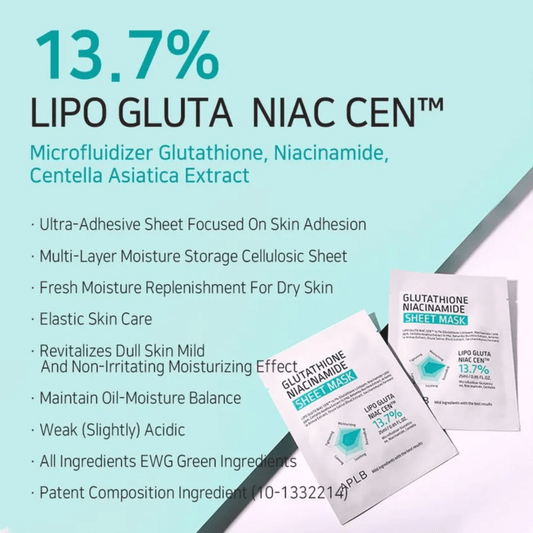

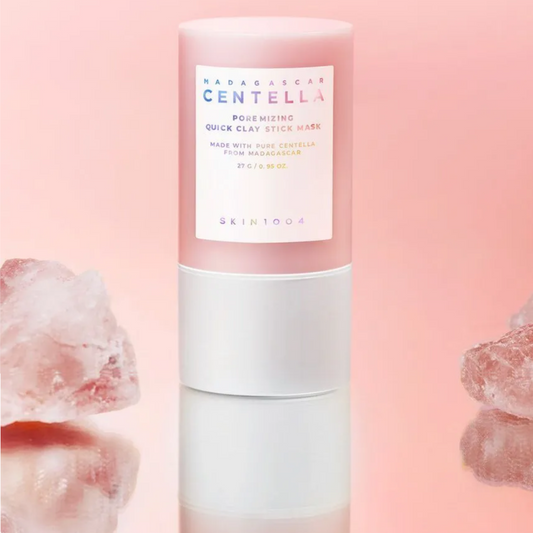
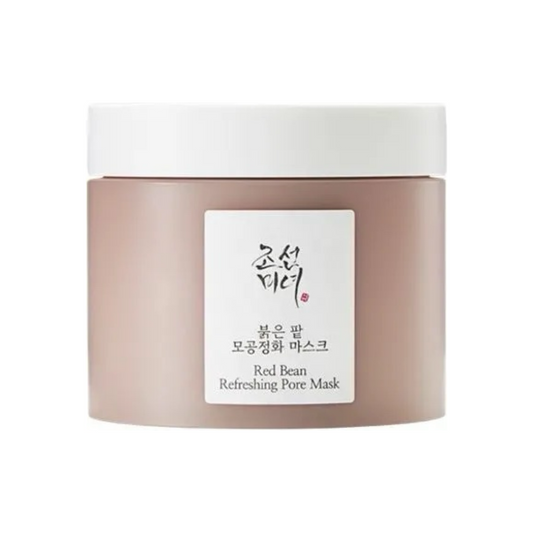
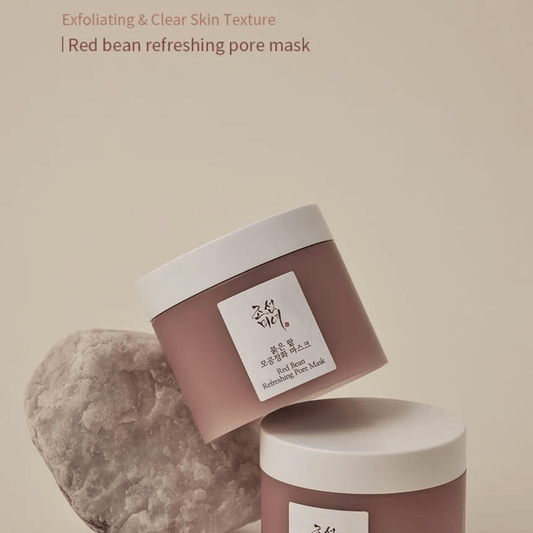





Masks are one of the most versatile categories in skincare. They deliver targeted, intensive care in a short time - more concentrated than everyday products and more focused than a standard routine step. Used regularly, the right mask keeps the skin balanced, clearer, and better prepared for everything else you apply.
Choosing the Right Mask for Your Skin Type
The most important factor when choosing a mask is your skin type. Clay masks are best for oily, congested, or combination skin - they draw out excess oil and clear pores effectively. Sheet and hydrogel masks suit most skin types and are particularly nourishing for dry or dehydrated skin. Sleeping masks are an excellent option for dry or mature skin that needs overnight restoration. Exfoliating masks - those containing acids or enzymes - work well for dull or uneven-toned skin and can address both oiliness and rough texture at once. Sensitive skin benefits most from calming formulas with minimal actives and no fragrance.
Mask types by skin concern
- Clay - oily, congested, combination skin
- Sheet and hydrogel - dry, dehydrated skin
- Sleeping masks - dry or mature skin needing overnight care
- Exfoliating - dull, textured, uneven-toned skin
Clay, Sheet, or Sleeping Mask - How to Decide
Each format has its own strengths. Clay masks are the most effective format for deep cleansing - they absorb oil and draw impurities from the pores in fifteen to twenty minutes. Sheet masks are lighter and more nourishing - they deliver hydrating, brightening, or calming actives to the skin's surface quickly and efficiently. Sleeping masks are applied at night and left on until morning, acting as an intensive overnight treatment that restores moisture and supports skin recovery while you sleep. Many routines include more than one type - a clay mask mid-week and a nourishing sheet mask closer to the weekend, for example.
- Clay - deep cleansing and pore care
- Sheet - quick hydration and targeted actives
- Sleeping - overnight restoration and moisture
- Rotate formats based on the week's skin needs
How Often Should You Mask
Frequency depends entirely on the format and your skin. Clay masks are typically used once or twice a week. Sheet and hydrogel masks can be used daily if the formulas are gentle, though most people find two to three times a week more practical. Sleeping masks are used two to three times a week for most skin types. The key is to pay attention to how your skin responds - if it looks brighter and feels more balanced, your frequency is right. If it feels overwhelmed or sensitive, give it more time between sessions.
- Clay - once to twice per week
- Sheet and hydrogel - two to three times per week
- Sleeping masks - two to three times per week
- Reduce frequency if skin feels overwhelmed
Ingredients List - What to Look For
The ingredient list tells you exactly what a mask is designed to do. For hydration, look for hyaluronic acid, glycerin, and ceramides. For brightening, niacinamide and vitamin C derivatives are effective. For calming, centella asiatica and panthenol are reliable choices for reactive or sensitive skin. For exfoliation, AHAs and BHAs in moderate concentrations deliver a targeted resurfacing effect. Formulas with calming botanicals alongside their actives are better tolerated by sensitive skin. Fragrance is the most common cause of mask-related irritation - fragrance-free options are always a safer choice.
- Hydration - hyaluronic acid, glycerin, ceramides
- Brightening - niacinamide, vitamin C
- Calming - centella asiatica, panthenol
- Fragrance-free is the safest choice
Explore the full range of masks below to find the right format for your skin. Whether you are after deep cleansing, intensive moisture, or a calming weekly treatment, there is something here to suit every routine.
