


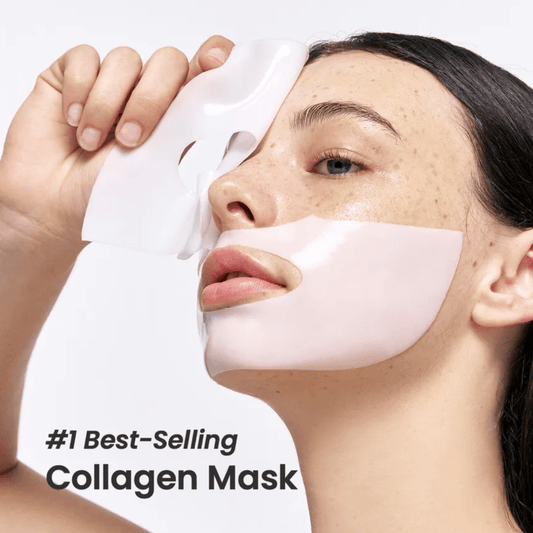

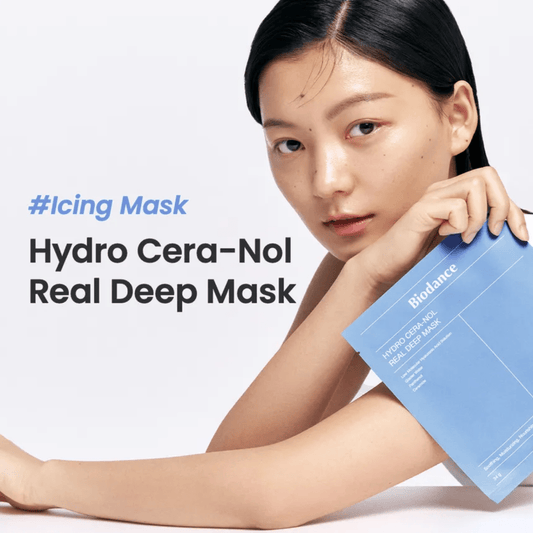
Hydrogel Masks stand apart from other masking formats through their texture and delivery method. The gel structure holds ingredients close to the skin and creates a seal that supports deeper absorption - making them one of the most effective formats for delivering intense hydration in a short time.
Hydrogel Masks vs Sheet Masks
Sheet masks are typically made from fabric or fibre - cotton, bamboo, or bio-cellulose - and soaked in a liquid serum. Hydrogel masks are made from a water-based gel material that holds the formula within its structure rather than as a soaking liquid. The gel material sits more firmly on the skin, conforms better to facial contours, and tends to stay in place more reliably. It also creates a mild occlusive effect - the seal between the mask and skin helps the formula absorb more efficiently. Hydrogel masks are generally thicker and more substantial in feel, and many users find them more cooling and soothing on application.
Key format differences
- Hydrogel - gel structure, better adhesion
- Sheet masks - fabric soaked in serum
- Hydrogel creates a mild seal for better absorption
- Hydrogel is cooling and conforms to face shape
How Long to Leave a Hydrogel Mask On
Most hydrogel masks are designed for fifteen to twenty minutes. Some intensive formulas recommend up to thirty minutes, though longer is not always better - once the gel has transferred its moisture and actives to the skin, additional time offers limited benefit and the mask may begin to reabsorb moisture from the skin as it dries. Follow the product instructions and use the time to rest. Refrigerating the mask before use adds a cooling sensation that can feel particularly refreshing and may help to visibly reduce puffiness, especially around the eyes.
- Fifteen to twenty minutes is usually optimal
- Longer does not always mean more benefit
- Remove before the mask starts to dry out
- Refrigerate before use for a cooling effect
Oily and Combination Skin
Hydrogel masks are not limited to dry skin - oily and combination skin types can benefit too, particularly if they experience dehydration alongside excess surface oil. A dehydrated but oily skin type still needs moisture to function well, and hydrogel masks deliver this without the heaviness of a rich cream. Look for formulas with balancing ingredients alongside the hydration - niacinamide helps regulate the appearance of oiliness, and lightweight plant hydrators provide moisture without clogging. Avoid hydrogel masks with heavy occlusives if your skin tends toward breakouts - the lighter the formula, the better for oilier skin.
- Oily skin can be dehydrated too
- Hydrogel delivers moisture without heaviness
- Niacinamide helps balance oily areas
- Choose lighter formulas for breakout-prone skin
Plumping Ingredients in Hydrogel Masks
The most effective hydrogel masks for visible plumping combine hyaluronic acid - which draws moisture into the skin and creates immediate volume in the surface layers - with supporting actives that seal and nourish. Peptides encourage skin structure and resilience over time. Ceramides strengthen the skin barrier, helping the skin retain the moisture it gains from the mask long after it is removed. Glycerin is a reliable hydrator found in most formulas. After removing the mask, press any remaining gel into the skin gently - it contains active residue worth keeping rather than rinsing away.
- Hyaluronic acid - immediate plumping effect
- Peptides - skin structure and resilience
- Ceramides - retain moisture after the mask
- Press leftover gel in - do not rinse away
Explore the full range of hydrogel masks below. Whether you are targeting dullness, dehydration, or simply want a calming treatment that delivers a real result, there is a hydrogel mask here for you.
