


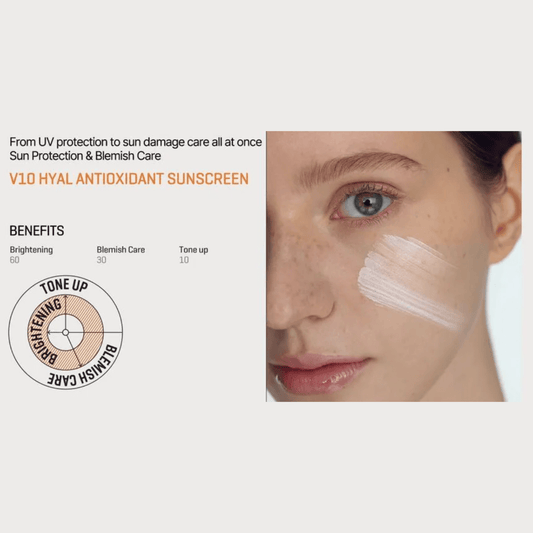

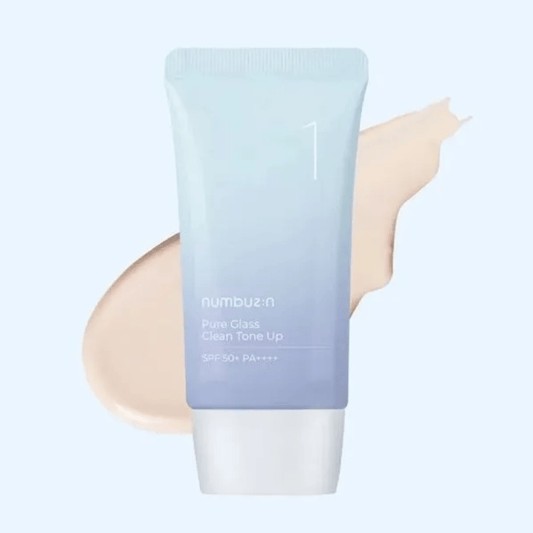
Hybrid Sunscreens bring together the two main approaches to UV protection in a single formula. By combining mineral and chemical filters, they balance the benefits of both - broad-spectrum coverage, a comfortable texture, and a finish suitable for a wide range of skin types and daily routines.
What Makes a Sunscreen Hybrid
A hybrid sunscreen contains both mineral UV filters - typically zinc oxide or titanium dioxide - and chemical UV filters such as avobenzone or octinoxate. Mineral filters work by sitting on the skin's surface and reflecting UV rays; chemical filters absorb UV and convert it to heat. Combining the two means neither ingredient needs to be used at a high concentration, which reduces the likelihood of a white cast from the mineral component and minimises irritation from chemical actives. The result is a formula that performs at a high level while feeling lighter and more cosmetically wearable than a pure mineral sunscreen.
Why the blend works well
- Mineral filters add physical UV reflection
- Chemical filters absorb and neutralise UV
- Lower concentrations needed for each filter type
- Better texture and finish than high-mineral formulas
Are Hybrid Sunscreens Better Than Single-Type Formulas
There is no single best approach to sun protection - it depends on skin type, priorities, and lifestyle. Hybrid sunscreens are a practical middle ground. Pure mineral formulas are gentler but can leave a white cast, particularly on deeper skin tones. Pure chemical formulas are lightweight but may not suit reactive or sensitive skin. Hybrids offer a compromise that suits a wider range of people - the mineral component adds safety and tolerance, while the chemical component improves the texture and wearability. For daily use in a busy routine, hybrids are often the most practical choice.
- Pure mineral - gentle but may leave a cast
- Pure chemical - lightweight but less suited to sensitive skin
- Hybrid - practical balance for most skin types
- Good daily choice for mixed or busy routines
White Cast and Sensitive Skin
Hybrid sunscreens are designed to minimise white cast - one of the most common complaints with mineral-dominant formulas. Because the mineral content is lower than in a pure physical sunscreen, the chalky residue is significantly reduced. On fairer skin tones, most hybrid sunscreens blend invisibly or leave only a very slight brightening effect. On deeper skin tones, it is still worth checking reviews or patch testing before committing. For sensitive or combination skin, the hybrid format is generally well tolerated - the lower chemical concentration reduces the risk of sensitivity, and the mineral component adds calm to the formula.
- Lower mineral content means reduced white cast
- Blends well on fair to medium skin tones
- Check reviews or patch test for deeper skin tones
- Generally well tolerated by sensitive and combination skin
Reapplication Through the Day
Hybrid sunscreens need reapplication every two hours during outdoor exposure, just like all sunscreen types. For daily use with makeup on top, a sun stick or misting SPF makes reapplication more practical without disturbing the rest of the look. When applying fresh in the morning, use enough to cover the face and neck - a half-teaspoon is the usual guide for the face alone. Applying too little dramatically reduces the effective SPF. Allow the formula to fully absorb before applying makeup on top, as this prevents pilling and extends the wear of both products.
- Reapply every two hours during outdoor exposure
- Use a sun stick or mist for reapplication over makeup
- Apply at least a half-teaspoon to the face and neck
- Allow full absorption before applying makeup
Explore the full range of hybrid sunscreens below. Whether you want an everyday SPF that blends invisibly, a comfortable formula for sensitive skin, or a reliable base for makeup, there is a hybrid sunscreen here for you.
