













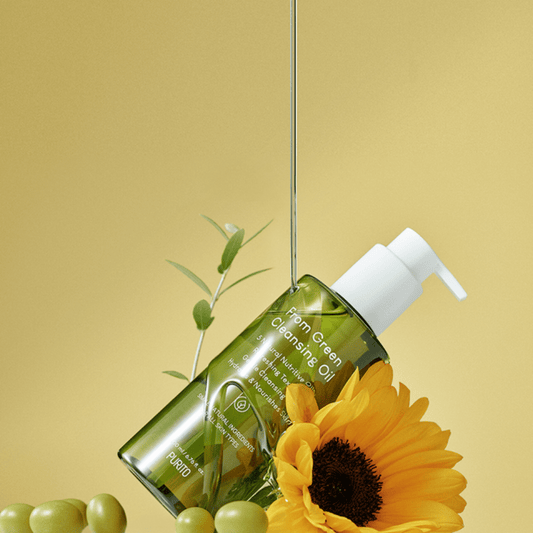

Cleansers are the step that sets the tone for everything that follows. A well-chosen cleanser removes impurities and prepares the skin to absorb the products applied after it. The wrong one can leave skin tight, stripped, or prone to breakouts - which is why choosing by skin type and formula matters more than most people expect.
Understanding Cleanser Formats
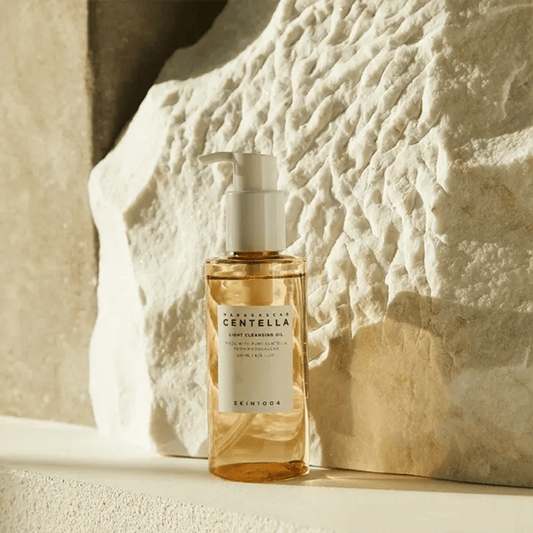
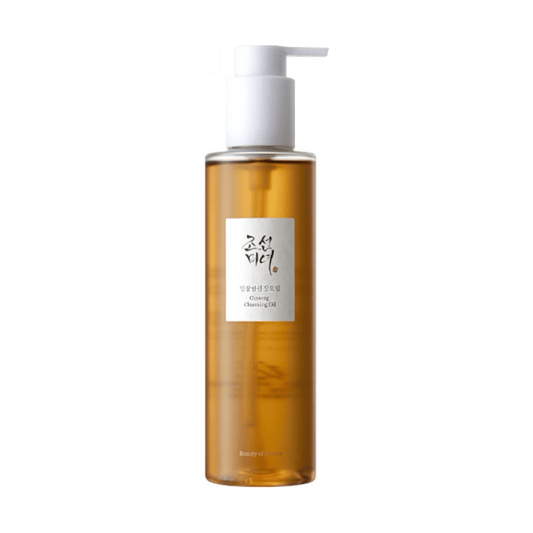
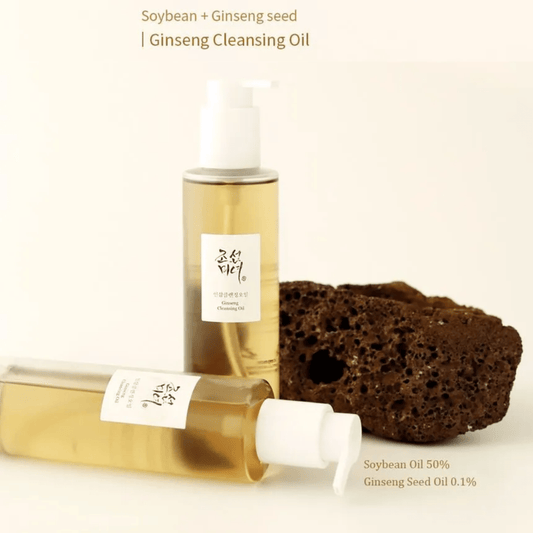
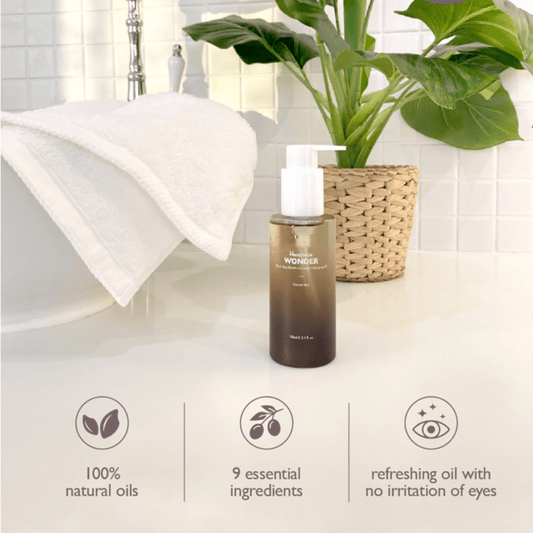
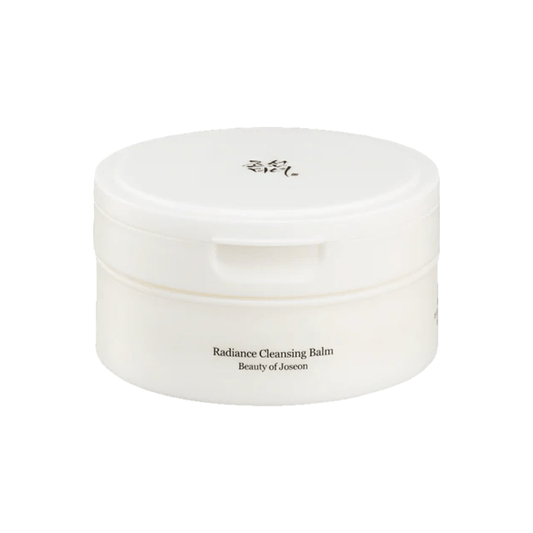
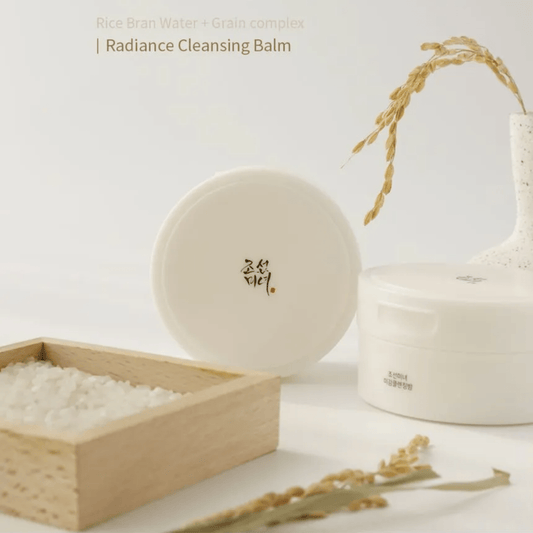
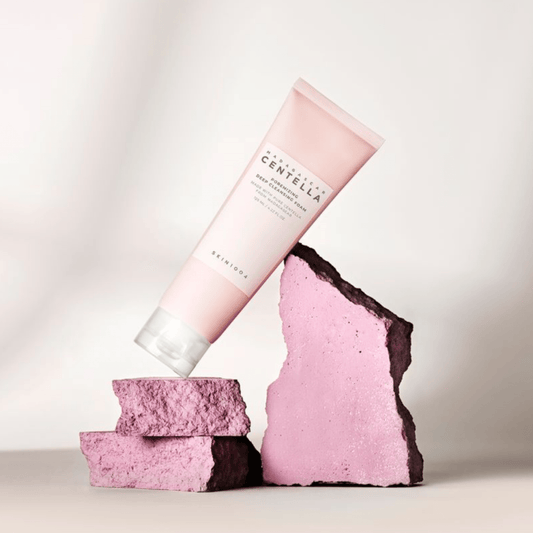
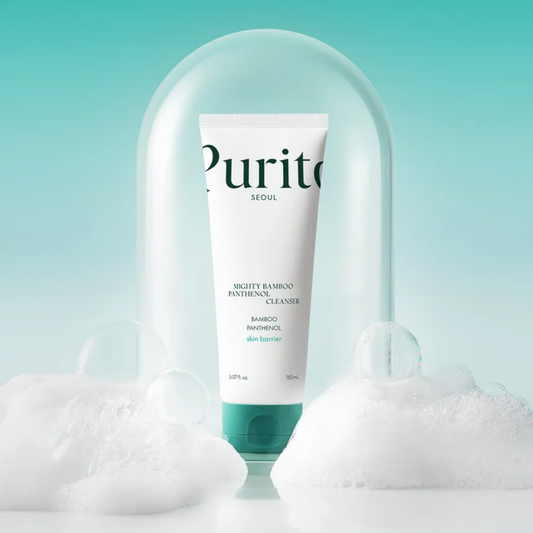
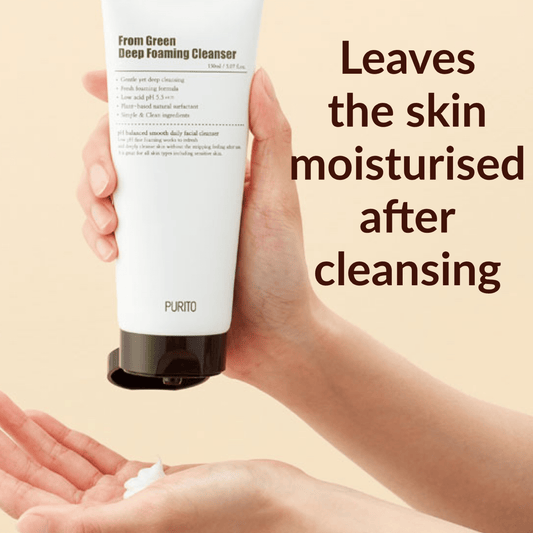
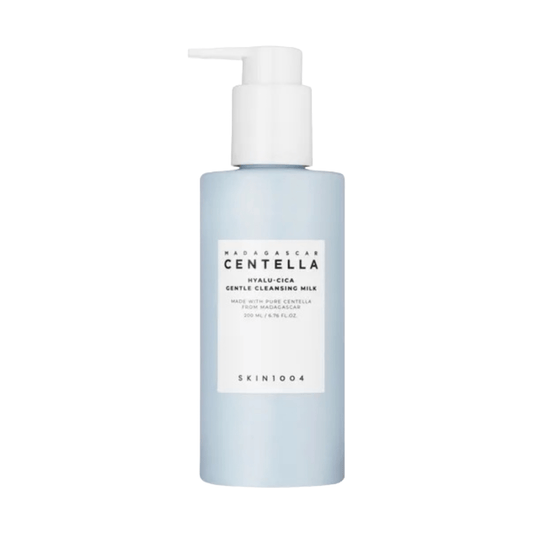
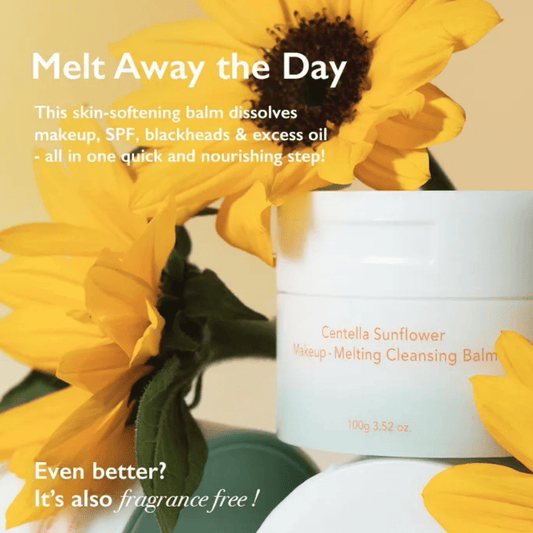
Different cleanser formats suit different skin types and different moments in the day. Gel cleansers are best for oily and combination skin - they remove excess oil without leaving residue. Cream and milk cleansers are gentler and more nourishing, which makes them ideal for dry or sensitive skin. Foam cleansers provide a thorough cleanse with a light, airy lather. Oil and balm cleansers are designed to dissolve sunscreen and makeup, making them the preferred first-step in a double cleanse routine.
- Gel: oily and combination skin
- Cream or milk: dry and sensitive skin
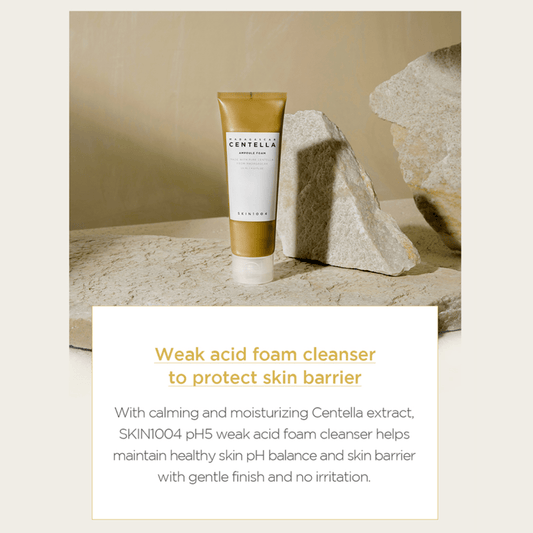
- Foam: a thorough, light cleanse
- Oil or balm: first-step makeup removal
Choosing by Skin Type
Dry skin benefits from cleansers with nourishing, protective ingredients - ceramides help maintain the skin's natural barrier, while glycerin draws moisture to the surface. Oily skin does well with formulas containing salicylic acid, which helps keep pores clear without over-drying. Sensitive skin needs fragrance-free options with minimal ingredients. Combination skin often responds well to a gentle, balanced cleanser used morning and evening - saving stronger formulas for occasional use.
- Dry skin: ceramide or glycerin-rich formulas
- Oily skin: salicylic acid for pore support
- Sensitive skin: fragrance-free, minimal formulas
- Combination skin: a gentle, balanced cleanser
Double Cleansing Explained
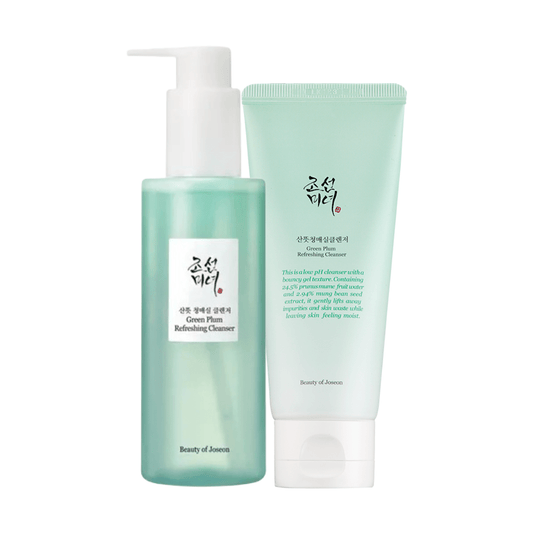
Double cleansing means using an oil-based cleanser first to dissolve sunscreen and makeup, followed by a water-based cleanser to remove any remaining residue and cleanse the skin itself. It is most useful in the evening. In the morning, a single gentle cleanse is usually enough - overnight, the skin produces natural oils but does not encounter sunscreen or makeup. Over-cleansing in the morning can strip the skin and trigger excess oil production.
- Evening: oil or balm first, then water-based
- Morning: a single gentle cleanse is enough
- Double cleansing helps SPF and makeup dissolve fully
- Over-cleansing can disrupt the skin barrier
What to Avoid in a Sensitive Skin Cleanser
The most common irritants in cleanser formulas are fragrance, alcohol, and harsh surfactants like sodium lauryl sulphate. These can strip the skin's natural moisture layer and leave it feeling tight or reactive. If your skin tends to flush, sting, or feel uncomfortable after cleansing, the cleanser formula is often the first thing to review. A simple, fragrance-free formula with a balanced pH will cleanse effectively without causing stress to the skin.
- Avoid fragrances, including essential oils
- Avoid sodium lauryl sulphate on sensitive skin
- Check for alcohol high on the ingredients list
- Choose balanced pH formulas for gentle cleansing
Find the cleanser that works with your skin, not against it. Browse the full range and choose the format that fits your skin type and your routine.
